
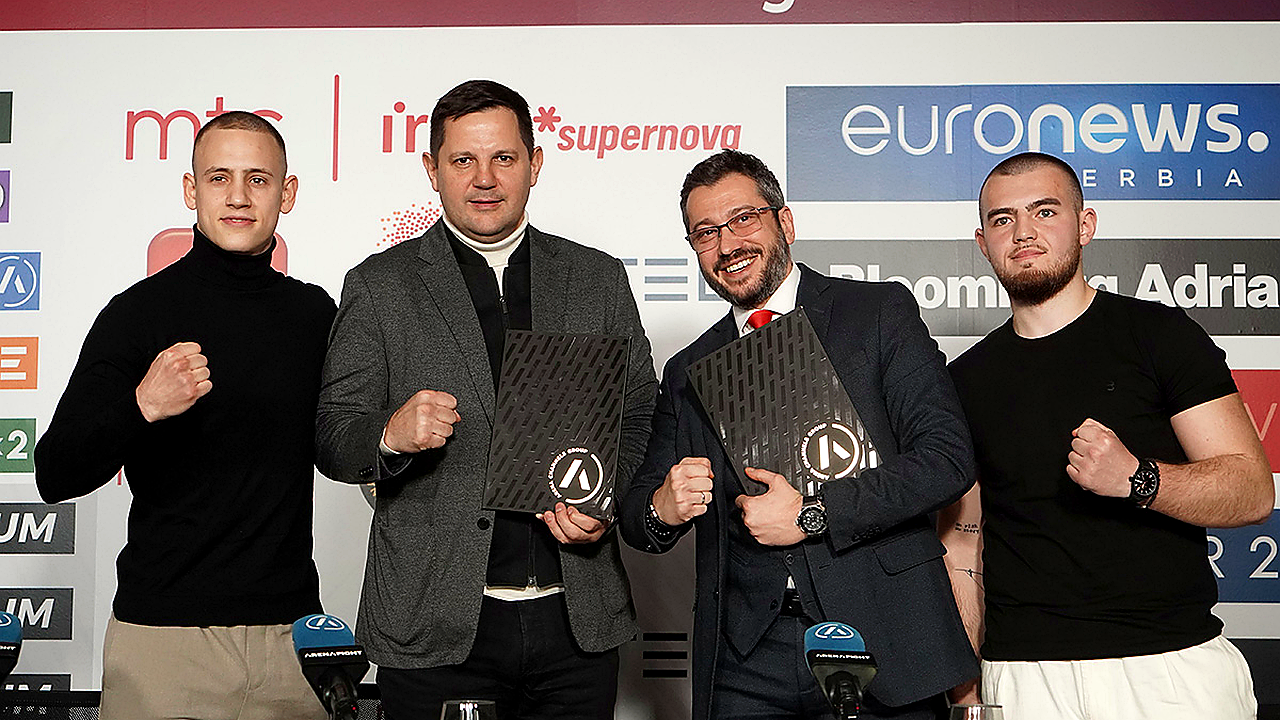
The boxing federations of Serbia and Hungary are moving toward formal cooperation through a memorandum that could mean more than a mere protocol.
Administrative agreements in sport only matter if they lead to training camps, better sparring, coach exchanges and a stronger competitive rhythm.
Why the cooperation could matter
The Serbia and Hungary memorandum should be judged by what it produces for athletes. A document on its own will not improve a fighter, but well-organised cooperation can improve the environment in which they train.
The most valuable outcomes would be joint training camps, tougher sparring, coach education and more frequent competitive testing. These are the elements that actually reach the ring.
What boxers stand to gain
For Serbia, a neighbouring federation is a practical partner: the journey is manageable, and repeated contact is easier to organise than one-off events at a distance.
The same logic applies to Hungary. Regional cooperation gives both sides more ways to keep boxers active between major tournaments.
| Area | Detail |
|---|---|
| Federations | Serbia and Hungary |
| Subject | cooperation memorandum |
| Sporting value | camps, sparring and education if carried out |
| Next step | turn the protocol into a calendar |
Key details
The next milestone is implementation. If the memorandum produces a calendar, named programmes and visible exchanges of athletes, it becomes more than a ceremonial headline.
That is why the story needs to stay practical. The agreement is promising because it could create sporting mechanisms, not because it sounds official.
For wider context on the day’s stories, see our pieces Domenico Messina leaves Serbian football after a productive spell and Serbian juniors beat Croatia again to confirm preparation progress, as several Serbian results are now lining up on the same calendar.
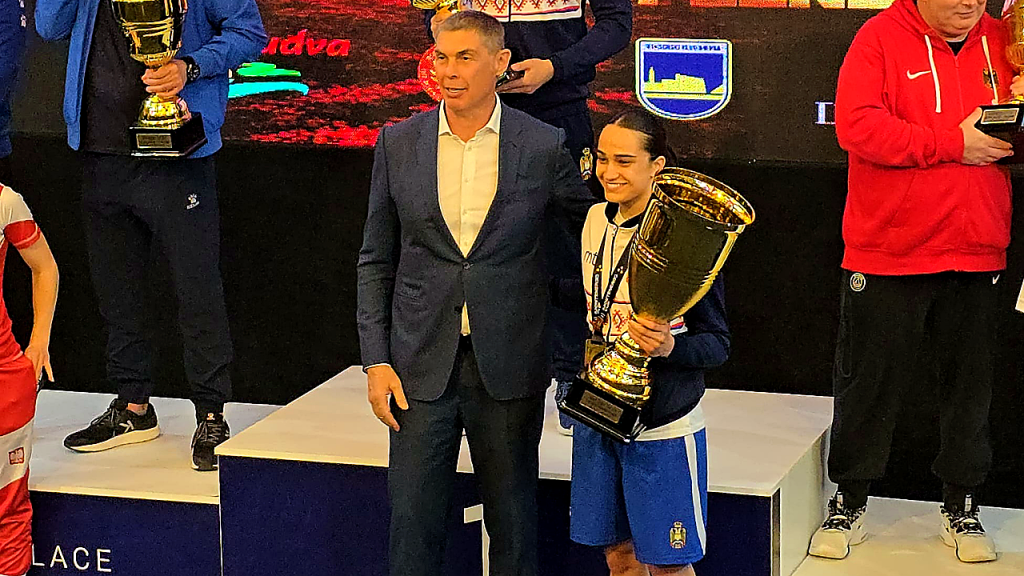
How to measure the memorandum
The clear conclusion is that Serbian boxing can gain a useful regional route if the memorandum becomes working practice.
Its worth will be measured by the quality of training and the rounds fought, not by the signing itself.
The first point to follow is Serbia and Hungary. In this context the detail matters because it shapes Serbia’s next preparation, not just how the result is remembered.
The second point remains tied to the cooperation memorandum. The coaching staff gets a direct measure for when the same type of opponent or pressure returns.
The practical question comes from camps, sparring and education if carried out. If that element is repeated, the story gains weight; if it disappears, the conclusion has to be more cautious.
The pressure point is built around turning the protocol into a calendar. It is the detail that most easily separates a useful sporting step from a short calendar item.
The next useful check should measure Serbia and Hungary. Serbia does not need dramatisation here, only a next performance that confirms a concrete gain.
The final point remains the cooperation memorandum. The squad has a clear marker to protect before the next match moves the conversation on.
The selection question is camps, sparring and education if carried out. In this context the detail matters because it shapes Serbia’s next preparation, not just how the result is remembered.
The competitive warning remains tied to turning the protocol into a calendar. The coaching staff gets a direct measure for when the same type of opponent or pressure returns.
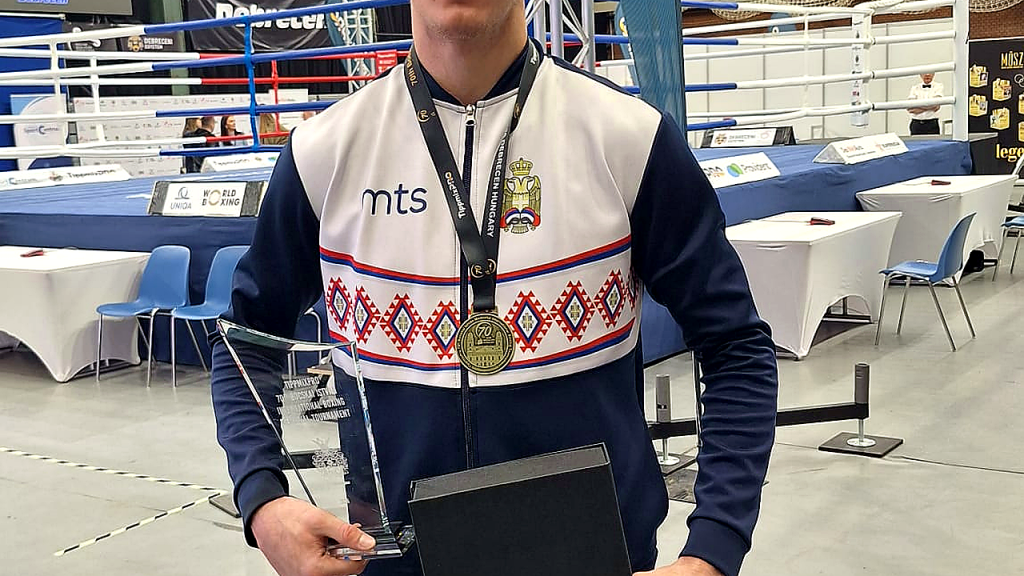
The clearest comparison comes from the Serbia and Hungary point. If that element is repeated, the story gains weight; if it disappears, the conclusion has to be more cautious.
The short-term task is built around the cooperation memorandum. It is the detail that most easily separates a useful sporting step from a short calendar item.
The development layer should be measured through camps, sparring and education if carried out. Serbia does not need dramatisation here, only a next performance that confirms a concrete gain.
The calendar detail remains turning the protocol into a calendar. The squad has a clear marker to protect before the next match moves the conversation on.
The tactical concern is Serbia and Hungary. In this context the detail matters because it shapes Serbia’s next preparation, not just how the result is remembered.
The recovery detail remains tied to the cooperation memorandum. The coaching staff gets a direct measure for when the same type of opponent or pressure returns.
The rotation question comes from camps, sparring and education if carried out. If that element is repeated, the story gains weight; if it disappears, the conclusion has to be more cautious.
The confidence marker is built around turning the protocol into a calendar. It is the detail that most easily separates a useful sporting step from a short calendar item.
The point linked to the rival should be measured through Serbia and Hungary. Serbia does not need dramatisation here, only a next performance that confirms a concrete gain.