
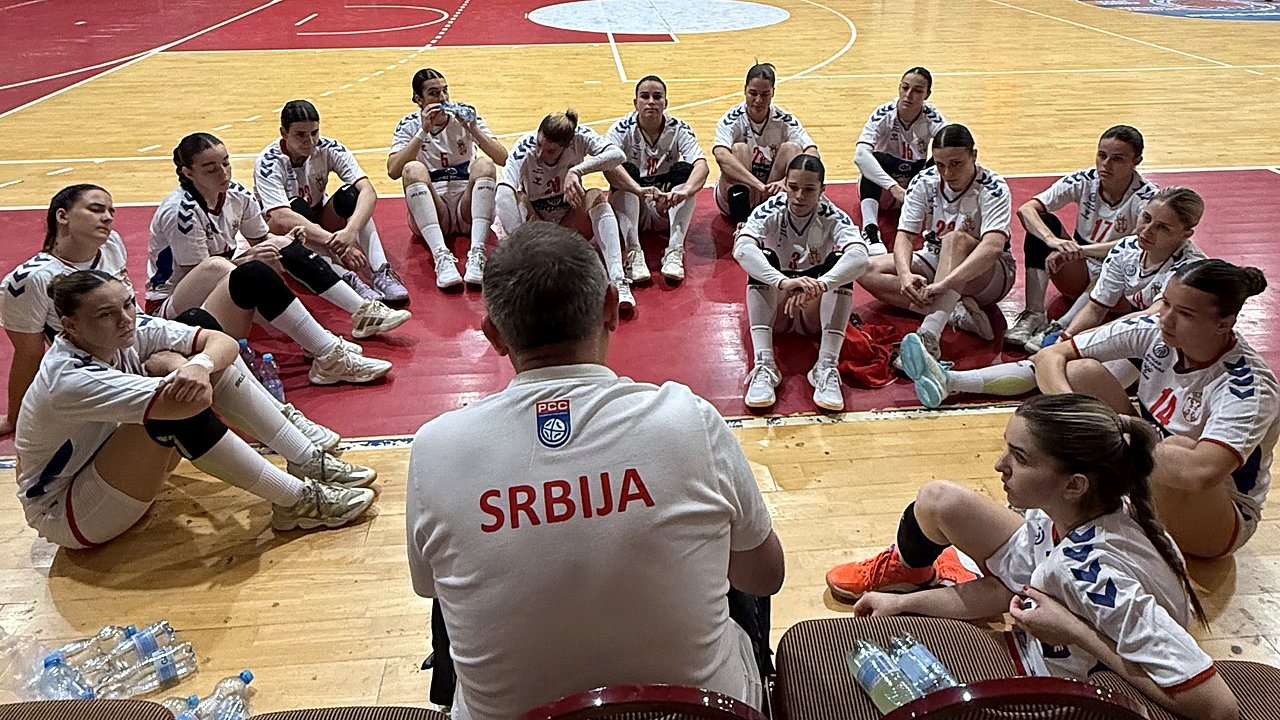
Serbia’s junior women’s side has confirmed its first friendly win over Croatia with a second victory in the second match.
Two warm-up games against the same opponent are useful because they show whether a squad can adapt, repeat its discipline and stay focused after it has already got a result.
Two wins with preparation value
The second win over Croatia matters because it removes any impression that the first meeting was a one-off friendly. Repeating the result gives the coaching staff a clearer read on the group.
At junior level, warm-up matches are about more than the scoreline. They test rotations, communication on defence and the ability to keep a structure intact when the rival already knows the main plan.
Why the second match counts
For Serbia, the value of the second game is practical. The squad can compare both matches, see which patterns held firm and decide where the attack still needs sharper timing.
The result also helps confidence, as a young side learns faster when its lessons come from winning rather than from repairing damage.
| Area | Detail |
|---|---|
| Rival | Croatia |
| Match type | second friendly in the preparation block |
| Main value | repeatability after the first win |
| Next step | carry the structure into tougher tests |
Key details
The next step is turning a friendly gain into competitive rhythm. That means no false sense of security and the same defensive standard once the stakes rise.
The coaching staff now has a sample of more than one match. That is why the second win deserves its own story in the handball section.
The same match day is also worth reading alongside our pieces Serbia Use Futsal Week in Porec for Women’s and U23 Tests and Andrea Lekic Nomination Gives Serbian Handball a European Board Voice, as each adds a different part of the current schedule.
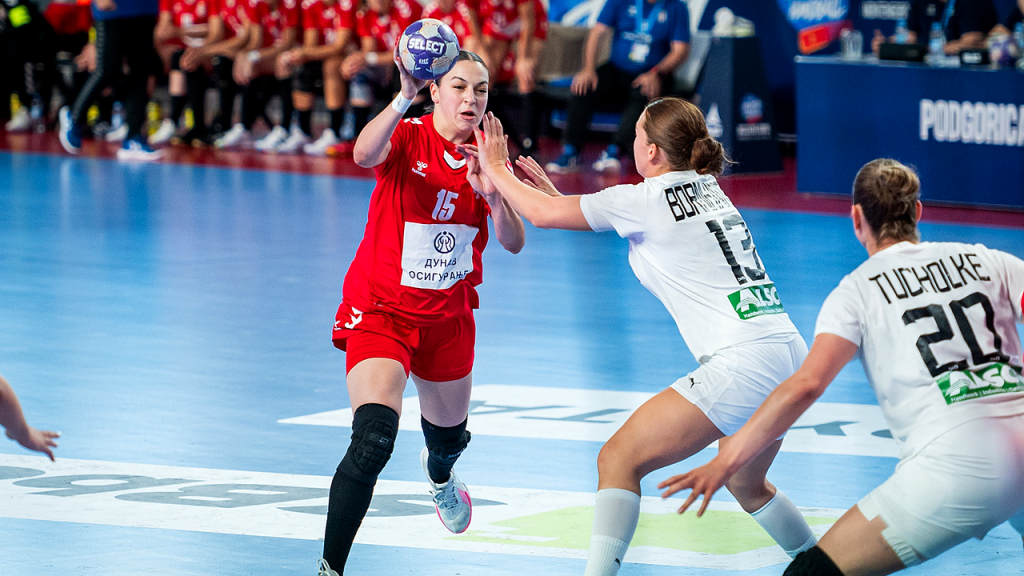
What comes next
The clear conclusion is that Serbia’s junior women are not only preparing, they are building evidence that the preparation is heading in the right direction.
The next official test will show how much of that evidence carries forward.
The first follow-up is Croatia. In this context the detail matters because it shapes Serbia’s next preparation, not just the memory of a result.
The second detail stays with the second friendly in the preparation block. The coaching staff gets a direct measure for when the same type of opponent or pressure returns.
The practical question comes from repeatability after the first win. If that holds, the news carries more weight; if it fades, the conclusion has to be more cautious.
The pressure point is built around carrying the structure into tougher tests. It is the detail that most easily separates a useful sporting step from a short item on the calendar.
The next useful check should be measured through Croatia. Serbia does not need drama here, but a next outing that confirms a concrete gain.
The closing point remains the second friendly in the preparation block. The squad gets a clear marker it must hold before the next match moves the conversation on.
The selection question is repeatability after the first win. In this context the detail matters because it shapes Serbia’s next preparation, not just the memory of a result.
The competitive warning stays tied to carrying the structure into tougher tests. The coaching staff gets a direct measure for when the same type of opponent or pressure returns.
The clearest comparison comes from the Croatia point. If that part repeats, the news carries more weight; if it disappears, the conclusion has to be more cautious.
The short-term task is built around the second friendly in the preparation block. It is the detail that most easily separates a useful sporting step from a short item on the calendar.
The development layer should be measured through repeatability after the first win. Serbia does not need drama here, but a next outing that confirms a concrete gain.
The scheduling detail remains carrying the structure into tougher tests. The squad gets a clear marker it must hold before the next match moves the conversation on.
The tactical concern is Croatia. In this context the detail matters because it shapes Serbia’s next preparation, not just the memory of a result.
The recovery detail stays tied to the second friendly in the preparation block. The coaching staff gets a direct measure for when the same type of opponent or pressure returns.
The rotation question comes from the repeatability-after-the-first-win point. If that part repeats, the news carries more weight; if it disappears, the conclusion has to be more cautious.
The confidence marker is built around carrying the structure into tougher tests. It is the detail that most easily separates a useful sporting step from a short item on the calendar.