
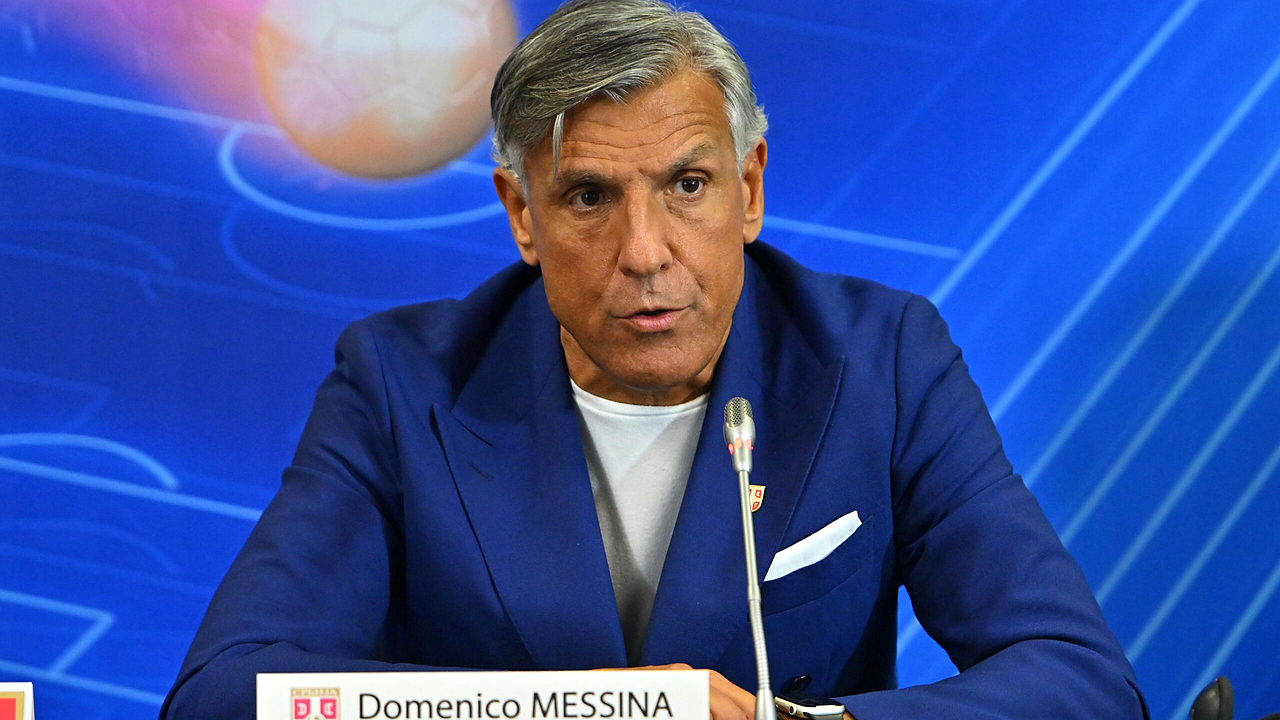
Domenico Messina’s exit from Serbian football closes a period of cooperation that the federation presented with respect and genuine gratitude.
This is an administrative story from the football world, but it matters because refereeing and the day-to-day running of matches form part of the competitive product fans watch every weekend.
A departure with operational weight
Messina’s departure matters because overseeing refereeing shapes confidence, rhythm and the way domestic competitions are discussed. This is more than a change behind the scenes.
The federation’s tone around the exit suggests the cooperation is being wound down in an orderly way. That matters, because technical football structures need continuity even when people move on.
Why control of refereeing matters
For clubs and supporters, the practical question is what remains. Education, evaluation, communication and consistency are the systems that carry on after any departure.
That is why the story is best handled without drama and with a focus on continuity. Serbian football gains most if the useful parts of this period endure and whoever comes next inherits a stable base.
| Area | Detail |
|---|---|
| Person | Domenico Messina |
| Institution | Football Association of Serbia |
| Topic | refereeing and football operations |
| Next step | continuity of education and match control |
Key details
The next step is clarity about the replacement structure and a short-term work plan. Refereeing systems cannot stay uncertain for long.
Messina’s note of thanks gives the news a courteous tone, but the sporting consequence lies in what the FSS does next.
This angle is complemented by Serbia’s junior girls beat Croatia again to confirm preparation progress and Vojvodina crowned Serbian pioneer champions for the 2025/26 season, which help keep this story from being read in isolation.
What the FSS must protect
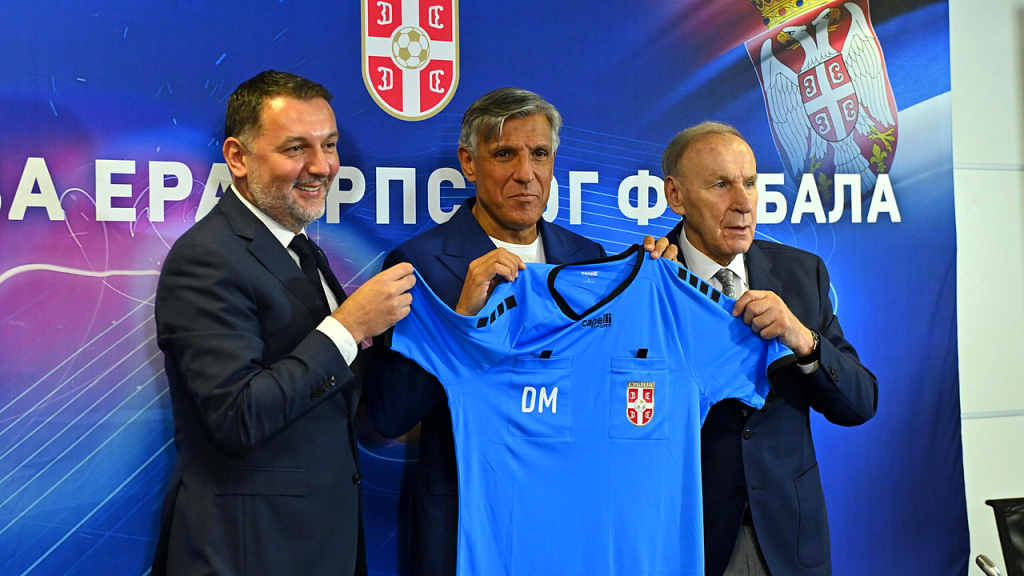
The clear conclusion is that this is not a transfer story, but it shapes the environment in which matches are played.
The domestic scene therefore has a concrete reason to watch how the FSS preserves continuity after the exit.
The first point is Domenico Messina. In this context it matters because it affects Serbia’s next preparation, not just the memory of a result.
The second point remains tied to the Football Association of Serbia. The coaching staff gains a direct measure for when the same type of opponent or pressure returns.
The practical question comes from refereeing and football operations. If that element repeats, the story gains weight; if it disappears, the conclusion has to be more cautious.
The pressure point is built around continuity of education and match control. It is the detail that most easily separates a useful sporting step from a brief calendar item.
The next useful check should measure Domenico Messina. Serbia does not need dramatisation here, only a next outing that confirms a concrete gain.
The closing point stays with the Football Association of Serbia. The side gains a clear marker to protect before the next match moves the conversation on.
The selection question is refereeing and football operations. In this context it matters because it affects Serbia’s next preparation, not just the memory of a result.
The competitive warning remains tied to continuity of education and match control. The coaching staff gains a direct measure for when the same type of opponent or pressure returns.
The clearest comparison comes from the point on Domenico Messina. If that element repeats, the story gains weight; if it disappears, the conclusion has to be more cautious.
The short-term task is built around the Football Association of Serbia. It is the detail that most easily separates a useful sporting step from a brief calendar item.
The development layer should be measured through refereeing and football operations. Serbia does not need dramatisation here, only a next outing that confirms a concrete gain.
The calendar detail remains continuity of education and match control. The side gains a clear marker to protect before the next match moves the conversation on.
The tactical concern is Domenico Messina. In this context it matters because it affects Serbia’s next preparation, not just the memory of a result.
The recovery detail stays tied to the Football Association of Serbia. The coaching staff gains a direct measure for when the same type of opponent or pressure returns.
The rotation question comes from refereeing and football operations. If that element repeats, the story gains weight; if it disappears, the conclusion has to be more cautious.
The confidence marker is built around continuity of education and match control. It is the detail that most easily separates a useful sporting step from a brief calendar item.
The point linked to the opponent should be measured through Domenico Messina. Serbia does not need dramatisation here, only a next outing that confirms a concrete gain.