
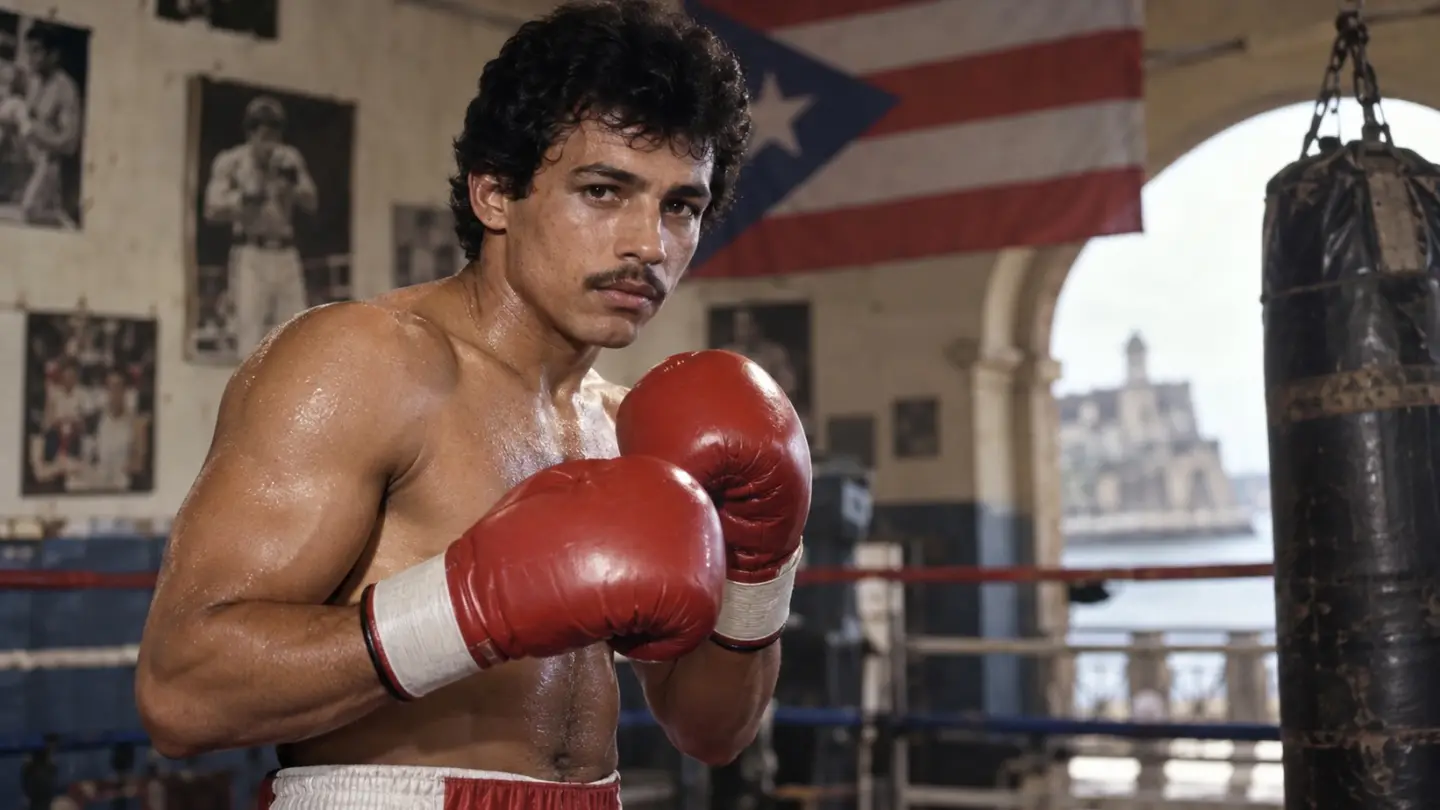
Wilfredo “Bazooka” Gomez died at the age of 69 after respiratory complications, his son confirmed. A result only carries its full weight once it is set against the conditions, the strength of the opponent and the stage of the competition. In this case, the most important points are the confirmed outcome and its immediate consequence for what follows, while any forecast is kept apart from the facts. The next outing will show how far the advantage gained here can carry over into a different demand. For that reason, the relationship between the confirmed performance and the next challenge matters more than any single standout move.
The Puerto Rican from Guayama was a world champion in three weight divisions and a member of the International Boxing Hall of Fame. The wider picture shows that one striking moment is not enough to judge a whole performance. A sound plan stays recognisable even when the rival responds, the tempo drops or conditions change. It is therefore more useful to look at a chain of connected decisions than to single out the closing action that happened to stand in the result. The order of the key phases shows where the gap opened and how long real control was maintained.
Gomez combined knockout power with champion’s consistency
His style rested on pressure, accurate punches to the body and an ability to take space from his opponent before the finishing attack. A plan has to be clear enough to carry out under pressure. The first option exploits the biggest advantage, and the fallback must answer the most likely reaction from the rival. Adding new tasks without a clear reason slows the decision down; a good adjustment changes only the part that is not working and keeps what is already producing results. The quality of a plan shows in the speed of decisions, in clear roles and in the position a fighter is left in after a failed attempt.

The number of knockouts can overshadow the technical side of a career, so his legacy should also be measured by his choice of distance, his pacing and his stability across long title runs. Risk management determines how long a plan can last. A neutral outcome sometimes preserves position, energy or possession for a better chance later, while forcing the action without preparation opens the door to a counter. The balance between gain and danger shifts with time and with the score, so the same decision is not equally sound at the start and in the final rounds. Discipline is measured by how often a danger is spotted before it turns into a costly mistake.
His legacy goes beyond belts and knockouts
A special place in history comes from his 17 consecutive successful title defences at super bantamweight, all of which ended by knockout. These figures make it possible to test a conclusion after the event. The final score shows the outcome, but only a comparison by periods reveals where the advantage was built and whether it can be repeated. It is especially useful to separate the opening plan from decisions made under fatigue, because that is where the steadiness of technique and the quality of preparation become visible. Taken together, these measures separate a sustainable advantage from a short run or a chance deviation.
The death of a great star reopens the conversation about Puerto Rican boxing and the generations Gomez inspired. Its significance does not end with the last punch or decision. A good performance opens a new opportunity, but consistency is what confirms that a change can last. A weaker result can still be useful if it produces two or three precise lessons. A sweeping change to everything usually hides the real cause and makes the next check harder. The next fight therefore becomes a concrete test of continuity, not just another entry on the schedule.
His record remains exceptional, but his greatest mark is the way he turned a small weight division into a global event. The conclusion must therefore stay tied to the evidence currently available. The best next check uses the same control points under different conditions, so it becomes clear what belongs to quality and what to circumstance. Repeating a good pattern against a new demand gives a judgement more weight than a single striking action. The final assessment remains anchored to the same set of indicators and to the next comparable official result.