Crvena Zvezda beat Zeleznicar after a patient response and Loizou's late goal
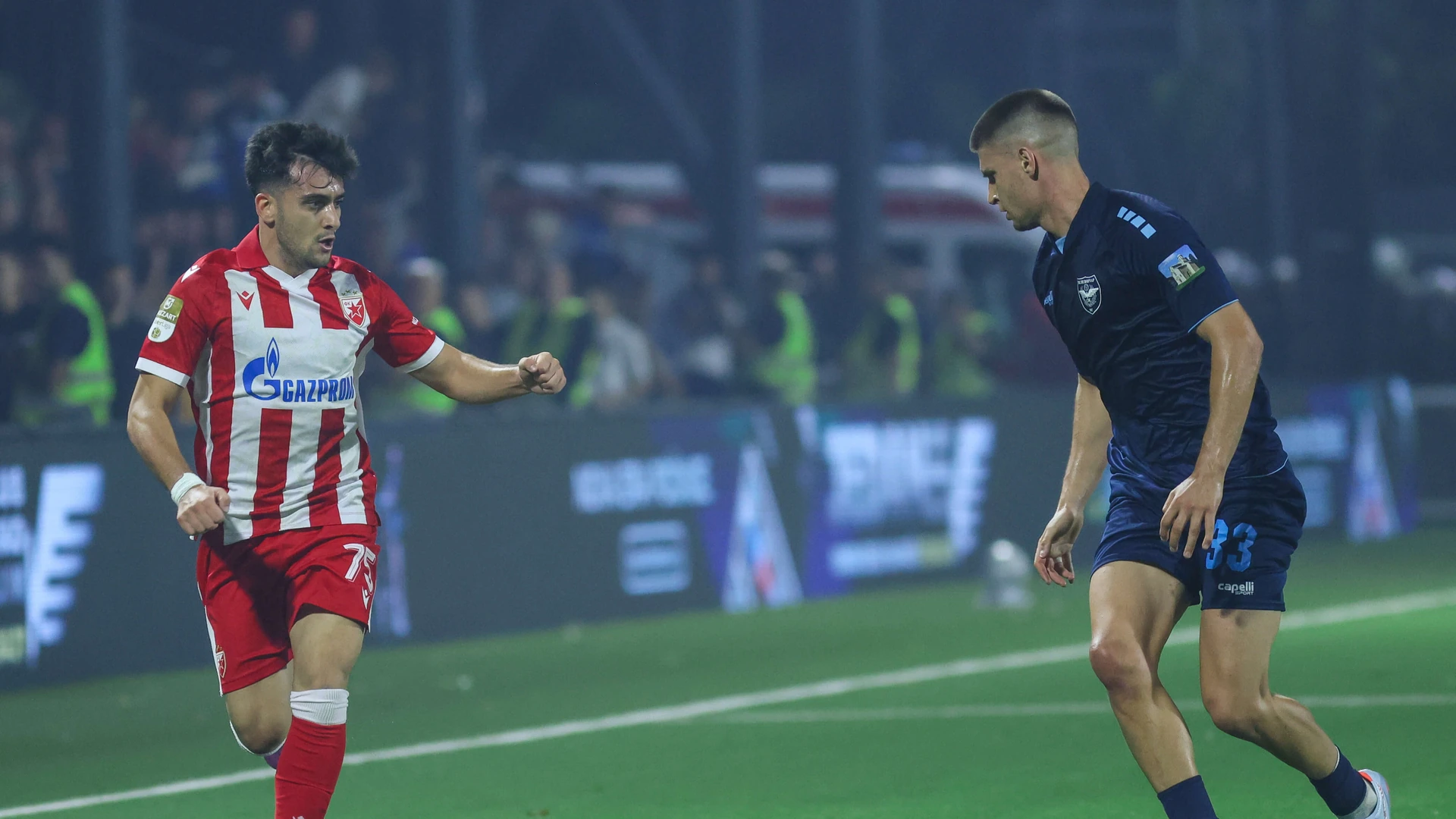
- Author: SerbianSport
- SerbianSport
Crvena Zvezda defeated Zeleznicar 2-1 in Pancevo after a match that demanded patience rather than constant attacking speed. Milos Veljkovic put the visitors ahead, Nikola Milikic levelled before half-time, and Loizos Loizou finished the decisive move near the end. The result is already complete, so the useful story is not a preview or a claim that an event is still approaching. It is an examination of how Zvezda recovered control after losing an early advantage and found one more clean action when the match had become tense.
Veljkovic gave Zvezda an early reference point
Milos Veljkovic scored first and rewarded a controlled opening from the visitors. The goal allowed Zvezda to manage territory without having to force every possession into the penalty area.
An early lead can create calm, but it can also reduce the urgency of pressing and leave a route back into the match. The next phase therefore depended on maintaining distances between midfield and defence rather than protecting the score too soon. After taking the lead, Zvezda needed to keep midfield connected to the defenders instead of protecting the box too early. Enough players remained behind the ball, but the team still kept a route into the next attack. That balance reduced long recovery runs when the hosts tried to respond.
Zeleznicar used the end of the half well
Nikola Milikic equalised before the interval and changed the emotional balance of the game. Zeleznicar's response showed that the home side could punish a moment in which Zvezda failed to close the action completely.
Conceding late in a half often tempts a team to rush its first attacks after the restart. Zvezda instead needed to restore circulation, recover second balls and make the hosts defend for longer sequences. The equaliser showed that possession was not enough when the loose ball remained available to Zeleznicar. Zvezda needed to close the area outside the penalty box faster and assign the second challenge more clearly. That is a specific training correction rather than a vague request for greater concentration.
| Match turn | What changed |
|---|---|
| Veljkovic's opener | Zvezda could control territory |
| Milikic's equaliser | The second half began level |
| Second-half changes | Fresh energy without losing structure |
| Loizou's finish | Patience produced the winning action |
Second-half substitutions restored the attacking rhythm
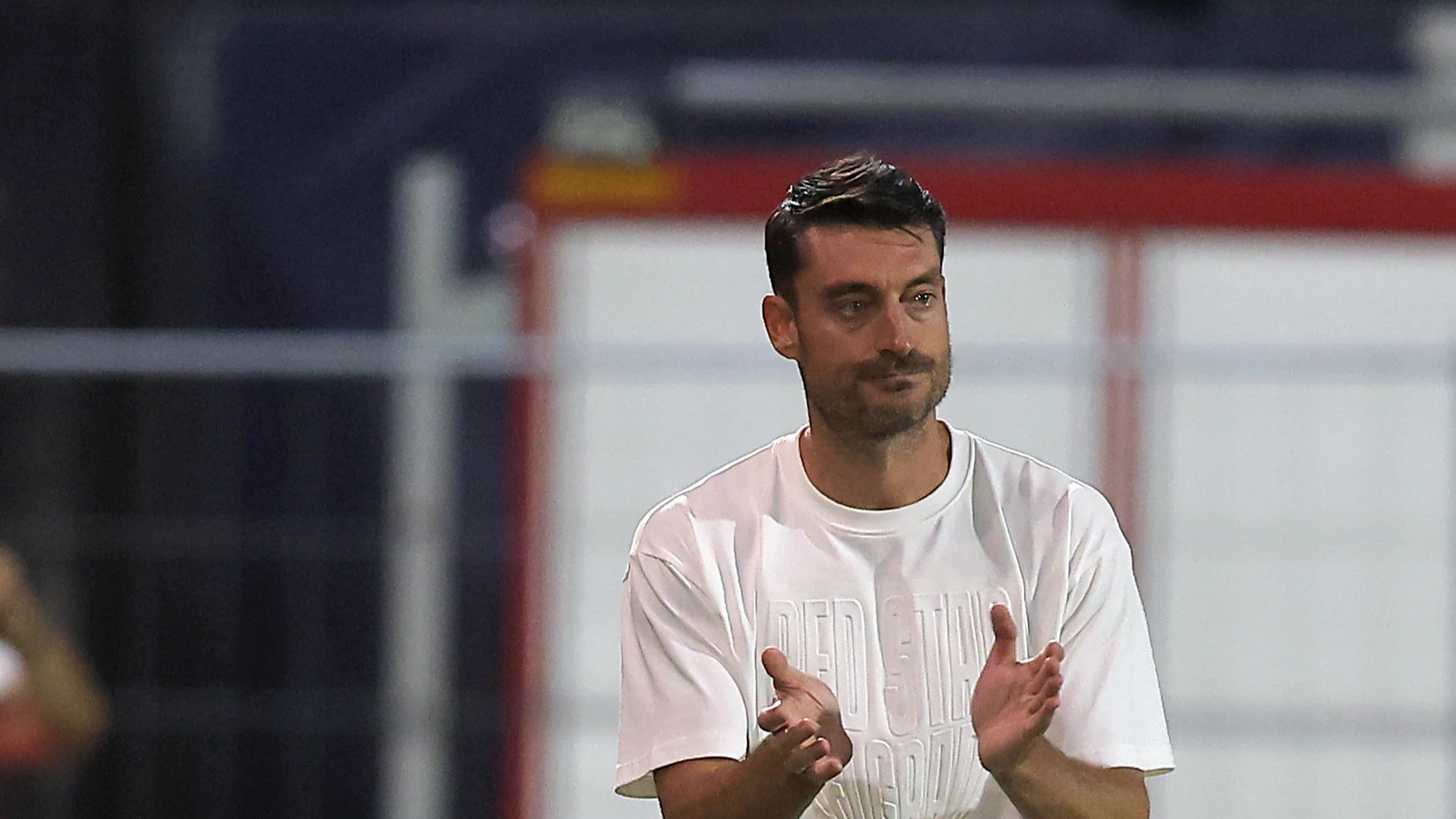
Albert Riera introduced fresh options as the second half developed and the match remained level. Changes in midfield and attack gave the visitors new energy without removing the structure that protected them from counters.
A substitute matters most when his role is clear and the players around him know which spaces will change. The late winning move grew from that collective adjustment rather than from an isolated attempt taken without support. The substitutes were not asked to force a difficult final pass with their first touch. They increased the number of safe options around the ball and helped the visitors move their lines forward again. Once the home defence had to shift for longer, a cleaner final action became available.
Elsnik and Loizou completed the decisive move
Timi Max Elsnik received the ball in the penalty area after a cross and chose a short continuation instead of a hurried shot. His pass reached Loizos Loizou, who finished from an angle into the far side of the goal.
The action succeeded because the first receiver remained composed and the scorer occupied a useful lane behind the immediate pressure. It was a concise ending to a match in which Zvezda had often needed an extra pass to create a cleaner chance. Elsnik's choice not to shoot from an awkward position was central to the winning goal. His short pass changed the angle and reached Loizou before the goalkeeper could reset. The finish looked simple because two calm decisions arrived in the correct order.
Three points came from control under pressure
Zvezda did not dominate every minute, and the equaliser ensured that the final period carried genuine risk. The visitors still avoided turning the match into an exchange of uncontrolled attacks.
That balance matters for a team expected to win regularly because opponents can become more dangerous when the favourite loses patience. The victory is therefore useful evidence of response and concentration, not a reason to ignore the parts of the first half that allowed Zeleznicar back in. The closing minutes required calm challenges and a clear first pass after winning possession. Zvezda did not have to keep the ball at any cost, but it could not lose it cheaply in the centre. The team protected the lead without retreating unnecessarily onto its own goal.
Zvezda can carry the same patience into the next match
The score and scorers are settled facts, while the lasting value lies in the decisions that can be repeated. Zvezda can take the controlled restart, the contribution from the bench and the calm final pass into later matches.
The defensive lapse before half-time also provides a specific correction rather than a vague demand for greater focus. A strong analysis holds both parts together: the team earned the win and still has a clear area to improve. Victory does not mean the performance was free of problems. The goal before half-time remains a warning, while the second-half response shows that the team can change the direction of a match. Patience earned the result, and better protection of loose balls can make the next task easier.
Discuss the news - leave a comment!
Go to comments ↓
Comments
0