FSS Referee Day connects UEFA guidance with decisions from Serbia's top leagues
- Author: SerbianSport
- SerbianSport
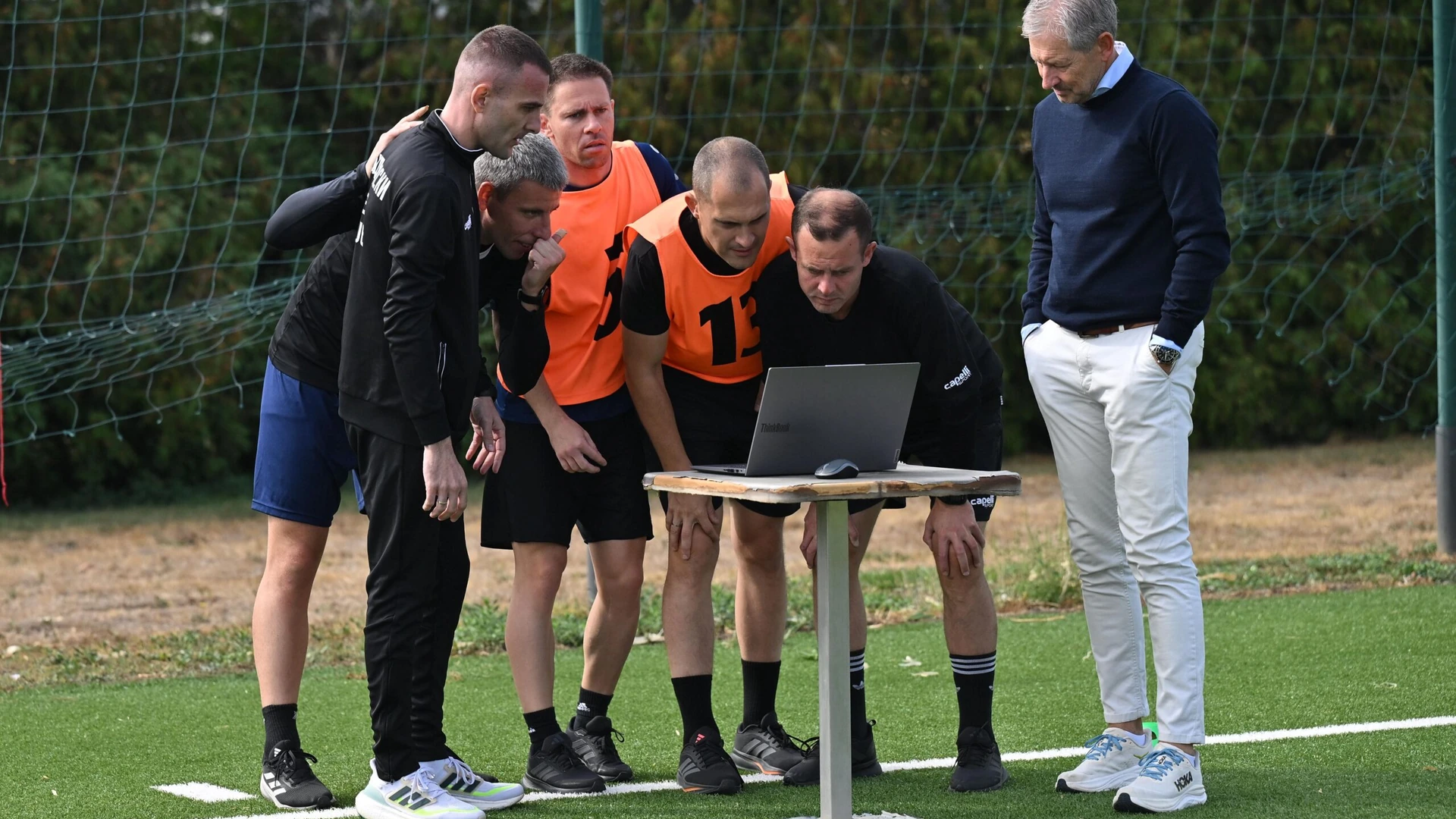
The Football Association of Serbia completed a two-day Referee Day programme at its sports centre in Stara Pazova. Frank De Bleeckere and VAR specialist Christophe Dierick worked separately with First League and SuperLiga officials, combining physical training, technical instruction and reviews of decisions from matches already played. The programme has ended, so its value lies in what the officials can carry into future rounds: one interpretation of the Laws, a clearer boundary for VAR intervention and a more consistent physical standard.
Training began with movement used in real decisions
The field session followed methods used with UEFA elite referees and placed physical work inside match-like situations. Officials need to reach the correct viewing angle while accelerating, changing direction and avoiding players.
Fitness is therefore connected to judgment rather than treated as a separate test completed before the season. A referee who arrives balanced can observe contact more clearly and communicate a decision with greater confidence. Movement exercises mattered because they were connected to the angle from which an official can actually see contact. The target was not simply to run faster, but to arrive in a position that players do not block. A stable viewing angle gives more time for judgment and reduces the need for a later correction.
First League match footage created concrete lessons
The first day examined situations from First League matches that had already been played. Good decisions were identified alongside moments in which positioning, timing or interpretation could improve.
Using domestic examples makes the instruction relevant because the officials recognize the pace and patterns of their own competition. It also allows the commission to explain one standard across several crews instead of correcting each match in isolation. Domestic match footage gave the officials situations they regularly encounter in their own competitions. They could compare the starting position, route and timing of the whistle. That produces a clearer task for the next match than a general instruction to be more careful.
| Programme part | Purpose |
|---|---|
| Field training | Reach better angles under physical pressure |
| Domestic video review | Apply one standard to real league incidents |
| VAR instruction | Define when intervention is necessary |
| Ongoing feedback | Carry corrections into later rounds |
VAR requires a clear intervention standard
Christophe Dierick presented current UEFA instructions on the use of video technology. The central task was to separate incidents that require intervention from decisions that should remain with the referee on the field.
Too little intervention leaves a clear error uncorrected, while unnecessary reviews interrupt the match and weaken responsibility. Consistent thresholds help players and coaches understand why a similar situation receives the same treatment in another stadium. The referee on the field must retain responsibility for the original decision. VAR should intervene when footage reveals a clear error, not merely because another interpretation is possible. A consistent threshold reduces unnecessary interruptions and makes the process easier for both teams to understand.
SuperLiga officials reviewed decisions from recent rounds
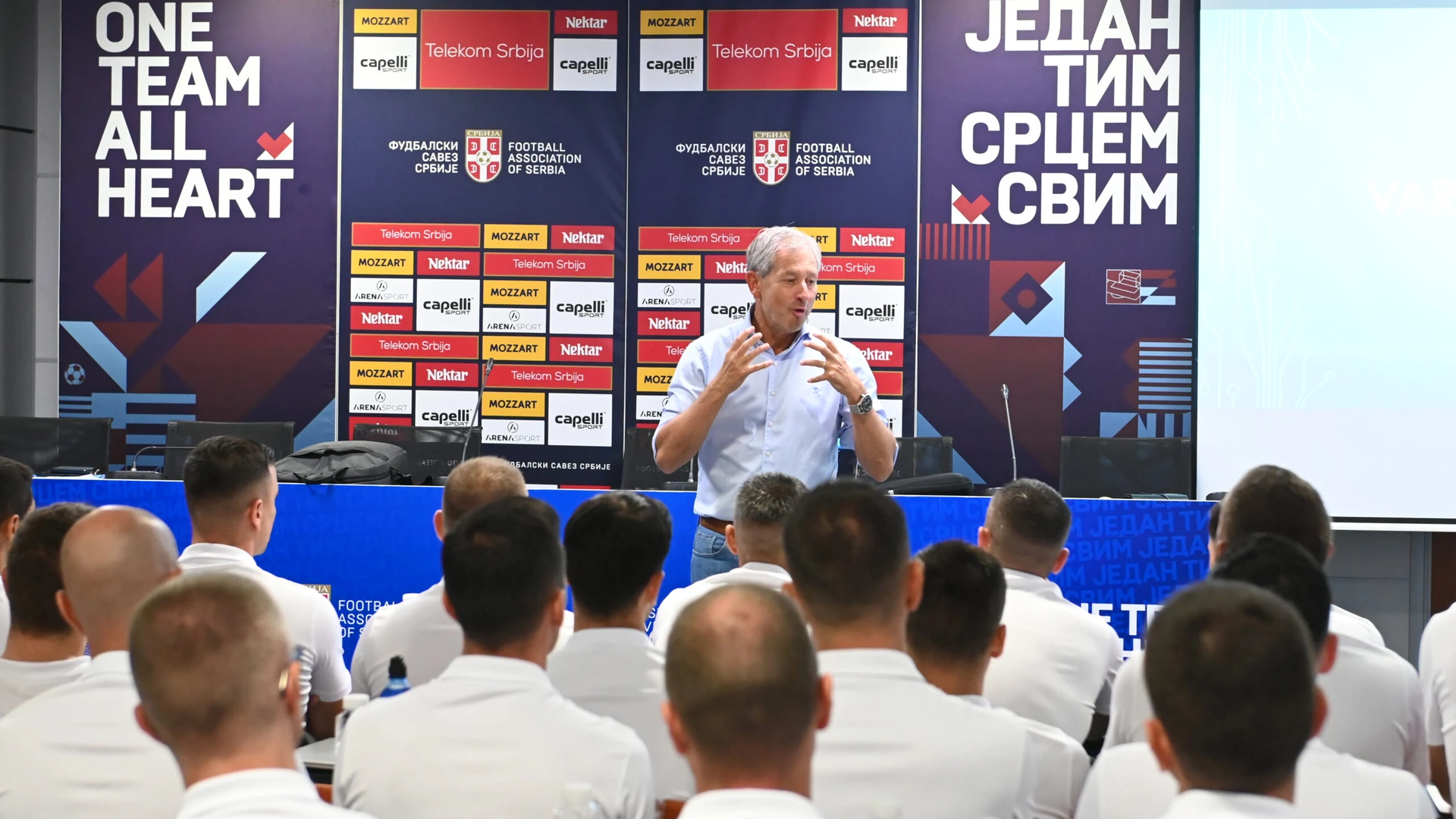
The second day repeated the structure for SuperLiga referees and included analysis led by De Bleeckere. Discussion focused on important incidents, the overall standard and areas that still require work.
A review becomes useful when it produces a specific change in angle, communication or restart management. General criticism without an action point would be much harder to carry onto the field in the next round. The SuperLiga session used completed matches, so every example had real pace, pressure and consequences. A small positional change could be linked to a different view of the challenge, while communication showed how a correct call is accepted. The same lesson must survive a more difficult match environment.
Consistency is the main public benefit
Supporters will not see the seminar itself during a match, but they will notice whether similar incidents receive similar decisions. Consistency does not mean every close call becomes simple or that VAR removes all disagreement.
It means officials use the same process, the same intervention threshold and the same explanation across competitions. That standard protects trust more effectively than promising that no referee will ever make an error. Consistency does not mean every disputed incident disappears. It means similar contact receives the same standard and the VAR threshold does not change between stadiums. When players understand the permitted level of contact, less energy is spent arguing and more remains available for the match.
Education must continue after the event
A two-day programme can align language and priorities, but it cannot replace weekly review. New situations will appear and officials need feedback while the memory of each match remains clear.
Physical work, video analysis and communication should therefore remain part of one continuous cycle. Referee Day is most valuable as a checkpoint in that process rather than a ceremonial event with no follow-up. Work after the seminar should include regular reviews while each match is still fresh. Physical preparation, positioning and communication cannot improve as separate projects. Progress becomes visible when officiating teams repeat the same decision quality at different speeds and in different stadiums.
Discuss the news - leave a comment!
Go to comments ↓
Comments
0