Wheelchair Tennis at the Paralympics: Inspiration and Brilliant Sporting Moments
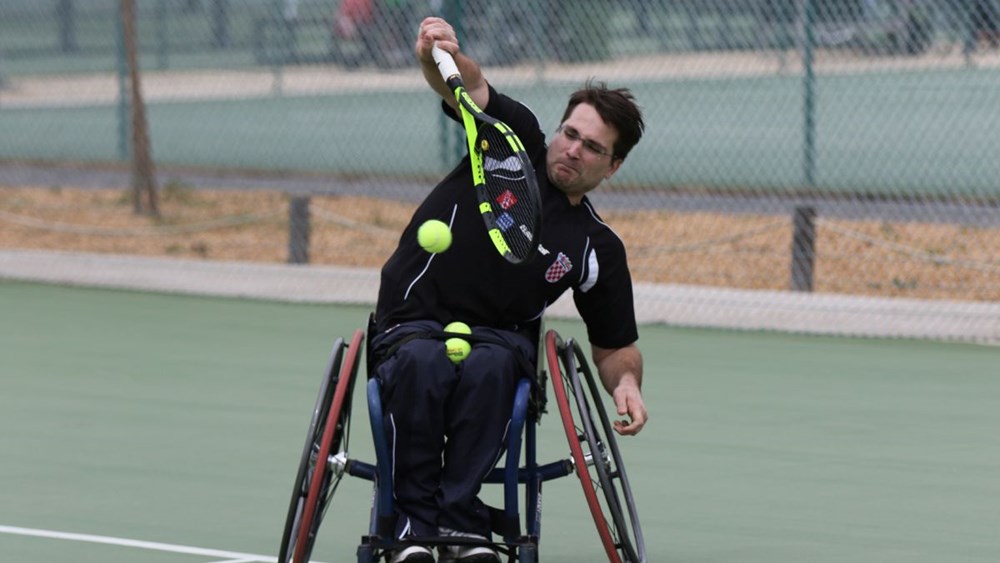
- Author: SerbianSport
- SerbianSport
Have you ever wondered what elite sport looks like when limits are not obstacles, but challenges to overcome? Wheelchair tennis at the Paralympics is a perfect example of willpower, world-class skill, and true sporting passion. This highly dynamic and emotional sport brings together athletes from all over the world who, with every shot, challenge the limits of what is possible.
In this blog post, we will explore why wheelchair tennis is so inspiring — not only as a sporting event, but also as a story of courage and perseverance. Through several key sections, we will present a brief history of the sport, introduce you to the Paralympic heroes who have shaped the scene, and share the brightest moments from recent competitions. Get ready for a dose of motivation and sporting excitement!
History of Wheelchair Tennis at the Paralympics
Wheelchair tennis first appeared at the Paralympics in 1992 in Barcelona, after the International Paralympic Committee (IPC) recognized its potential. Since then, the discipline has become increasingly popular, attracting players from around the world.
The development of rules and equipment adapted for athletes with disabilities has made the matches dynamic and exciting.
Basic Rules and Adaptations
Although wheelchair tennis follows most standard tennis rules, there are several key adaptations:
- The ball may bounce twice before the player has to return it.
- The first bounce must land inside the standard court, while the second bounce may be outside the court.
- Players may only use the hand brake on the wheelchair, and their feet must remain on the footrest.
Key Skills for Success
Athletes must master several skills in order to compete at the highest level:
Mobility: Fast and precise wheelchair control is essential for positioning.
Upper-body strength: Arms and shoulders must withstand intense movement throughout the match.
Strategy: Smart use of the court and exploiting the opponent’s weaknesses can provide a major advantage.
Greatest Competitors and Rivalries
Several players have left an unforgettable mark on this sport:
Esther Vergeer — Netherlands: She dominated the sport for more than a decade, recording an incredible winning streak of 470 consecutive matches.
Shingo Kunieda — Japan: Widely regarded as one of the greatest male wheelchair tennis players of all time.
Diede de Groot — Netherlands: The successor to Vergeer’s dominance, she has won gold medals at recent Paralympic Games.
Rivalries such as Vergeer vs. Korie Homan and Kunieda vs. Gustavo Fernandez have produced unforgettable matches.
Technology and Equipment Innovation
Advances in wheelchair and racket design have greatly improved the game:
Lightweight materials: Carbon fiber reduces the weight of wheelchairs and increases speed.
Adjustable angles: Athletes can adjust the seat angle for better control.
Improved rackets: Modern rackets are designed for greater power and shot precision.
Preparation and Training
Top players spend hours perfecting their skills. The key elements of training include:
Fitness exercises: Endurance and strength are crucial for long matches.
Mobility drills: Practicing speed, turns, and wheelchair movement.
Mental preparation: Concentration and strategic thinking often decide the outcome.
Paralympic Stories That Inspire
Many athletes have become symbols of perseverance and motivation:
Dylan Alcott — Australia: A gold medalist and an advocate for equal opportunities for people with disabilities.
Aniek van Koot — Netherlands: She battled through injuries to become one of the leading players in the sport.
The Future of Wheelchair Tennis
The discipline continues to grow, with more countries investing in the development of young talents. Increased media coverage and larger sponsorship deals are creating new opportunities for athletes.
Wheelchair tennis is expected to become even more competitive and popular in the coming years.
How to Support This Sport
If you want to help the development of wheelchair tennis, consider the following:
- Follow tournaments and share content on social media.
- Look for local clubs and volunteer.
- Donate to organizations that promote opportunities for people with disabilities.
Discuss the news - leave a comment!
Go to comments ↓
Comments
0