Serbia prepare for two basketball games against France
- Author: SerbianSport
- SerbianSport
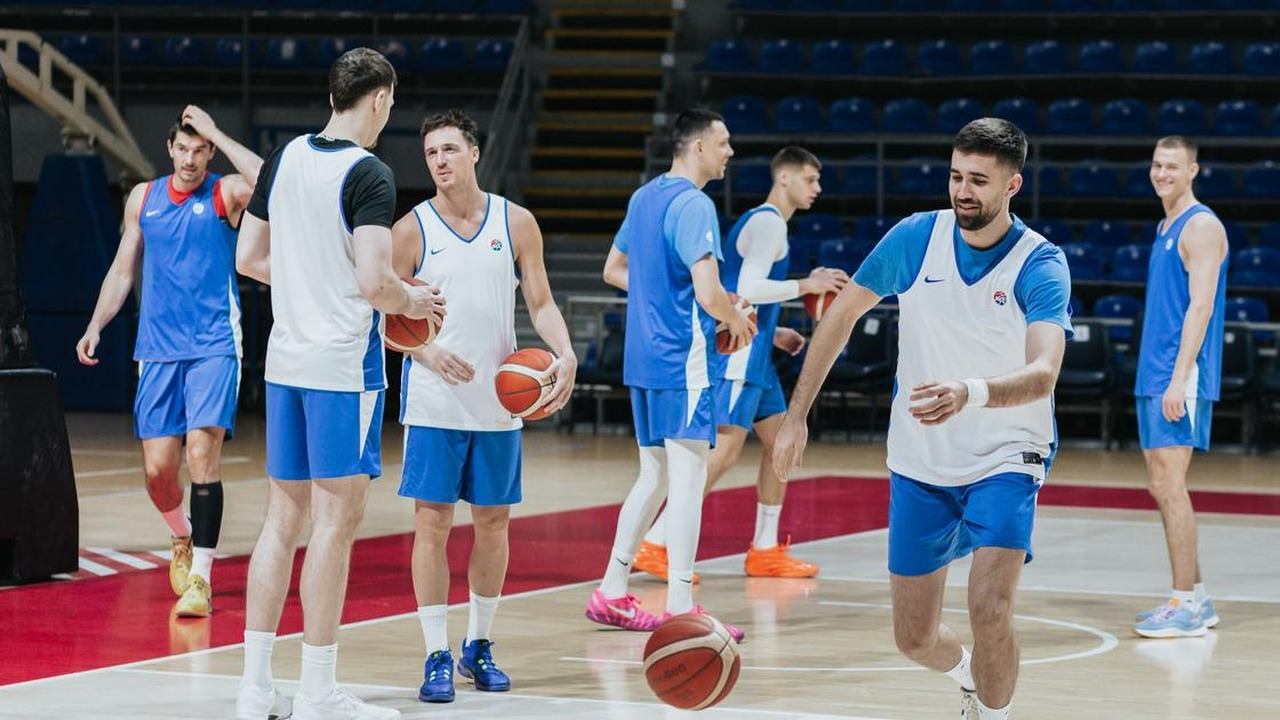
Serbia's men's basketball team will play France twice during the August international window. The first preparation game takes place in Belgrade on 20 August. The teams meet again in Orléans three days later.
The games arrive before the next stage of World Cup qualification starts on 27 August. Serbia can use both meetings to test its current group against a strong opponent before competitive play returns.
The first meeting keeps Serbia at home
Belgrade hosts the opening game on Thursday. The home setting gives the Serbian staff a normal preparation routine before the match. Players can train without an immediate international journey. France brings a high level of physical and technical pressure. That makes the game useful even without qualification points. Serbia can test possession, defensive rotation and rebounding at match speed.
A preparation result matters less than the quality of the work. The staff can still use the score to judge how the team responds during close periods. Every possession also produces video for the next session. The audience adds match intensity that cannot be fully copied in training. Players need to keep communication clear when the arena becomes loud. The bench also practises its normal substitution routine.
The return game changes the conditions
Serbia travels to Orléans for the second meeting on 23 August. The short gap requires careful recovery. Players need to replace energy, receive treatment and prepare for another full game. France gains the home environment for the return fixture. Serbia then faces travel and an unfamiliar court.
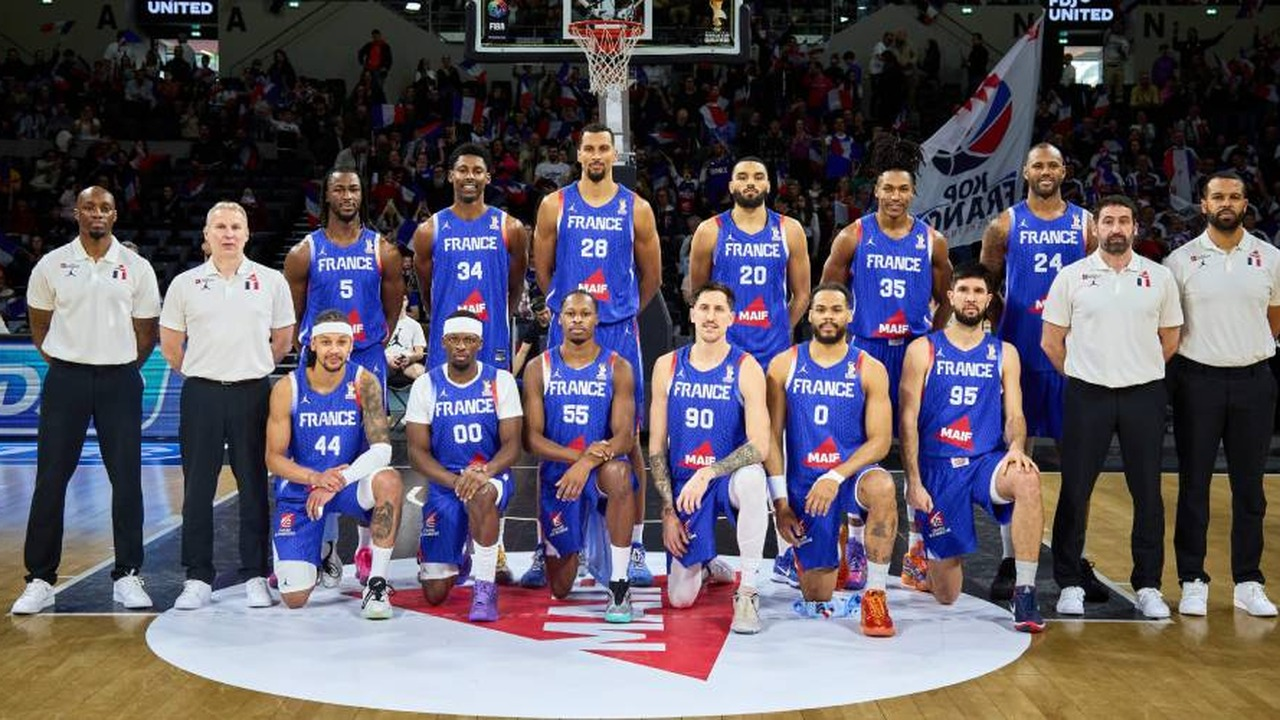
France's basketball players stand together for a team photograph during 2026.
Those conditions are useful before future qualification trips.
Two games against the same opponent allow direct comparison. Each staff can change line-ups and defensive choices. Serbia can see whether its first adjustments still work after France responds. The second game should not become a copy of the first. Different combinations may receive more minutes in Orléans. The staff can also place players in late-game situations that were absent in Belgrade.
| Date | Scheduled match | City |
|---|---|---|
| 20 August | Serbia — France | Belgrade |
| 23 August | France — Serbia | Orléans |
The August window leads into qualification
The next World Cup qualifying stage begins on 27 August. Serbia therefore has only a few days between the second friendly and the return of competitive games. Preparation must protect player health as well as improve form. Excessive minutes in both friendlies would create avoidable fatigue. A broader rotation can spread the load.
The staff also needs a clear view of roles. Guards organise the first action, wings provide spacing, and centres protect the paint. The two France games can confirm which combinations work together. Training alone cannot show every weakness. France can punish slow decisions and missed box-outs immediately. Those errors become useful only when Serbia corrects them before qualification.
Two confirmed games provide a practical test
The schedule is simple: Belgrade on 20 August and Orléans on 23 August. Both matches have a separate purpose inside the same preparation period. Serbia receives one home test and one away test against the Olympic runner-up. The team can compare performance under different conditions without changing the opponent.
No tactical prediction is needed before the games. The important questions concern possession quality, defensive discipline and the physical condition of the available players. The final answers will come from the court. Serbia enters the week with two confirmed fixtures and a competitive deadline on 27 August. That gives the staff useful work and very little wasted time.
Selection decisions remain tied to player availability
The national team can only use players who are healthy, released and registered for the window. Club preparation and individual recovery may affect availability in August. The staff therefore works with the confirmed group rather than an ideal list. Training sessions provide the first information about combinations. Guards need time with screeners, while defensive pairs must agree how to cover the same action. Those details become visible against France. A friendly allows the coach to stop neither the clock nor the opponent's momentum at will. Timeouts and substitutions must follow match rules. This creates a better test than a controlled practice game.
The medical staff also records the response after each game. Soreness, contact injuries and travel fatigue affect the plan before 27 August. A fit squad is more useful than one overworked in preparation. Serbia's two-game plan therefore combines basketball and recovery. The Belgrade game supplies the first useful evidence. Orléans shows whether the team can apply corrections under different conditions.
Discuss the news - leave a comment!
Go to comments ↓
Comments
0