Partizan marks 41 years since Dragan Mance's death and preserves the story behind number nine
- Author: SerbianSport
- SerbianSport
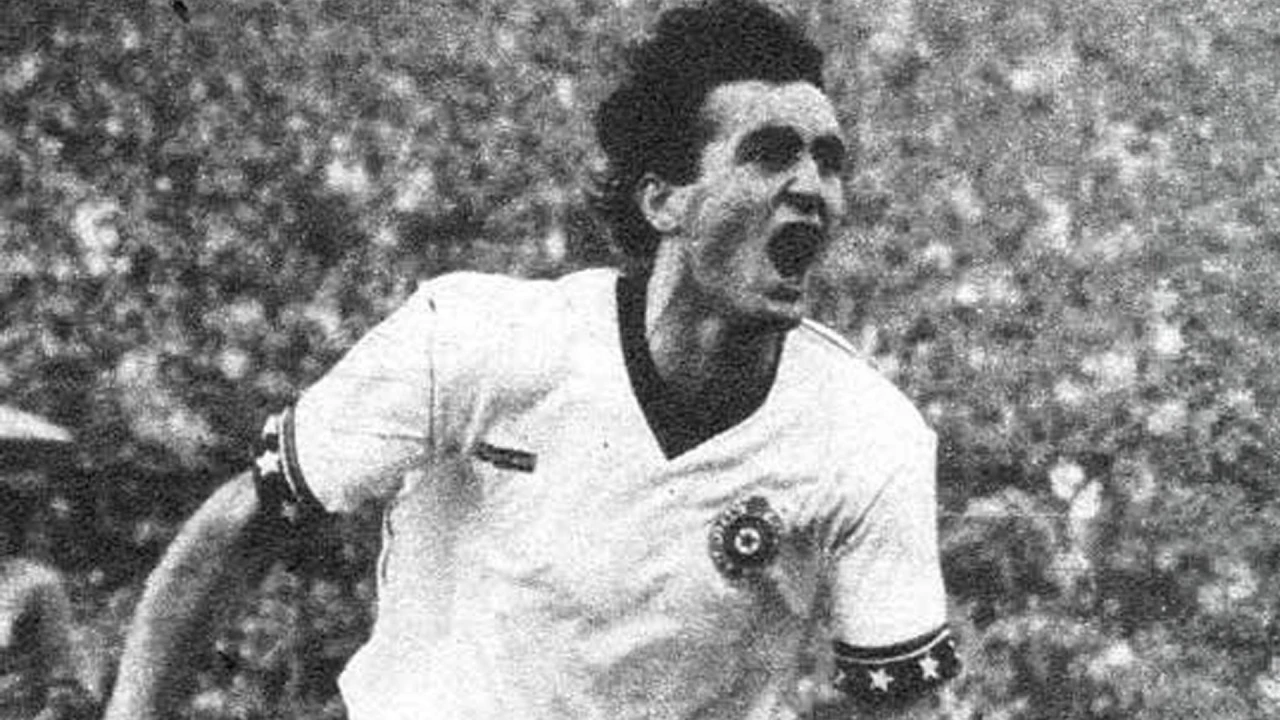
Partizan marked 41 years since the death of Dragan Mance on 3 September. The former striker died in a traffic accident in 1985, but his place in the club's history remains visible through remembered goals, photographs, stories and the emotions attached to the black-and-white number nine. He made 134 appearances and scored 47 goals for Partizan, figures that sit beside a bond with supporters that lasted far beyond his career.
The memory begins with the way he played
Mance is remembered as a striker who attacked decisive moments with conviction. Supporters recall the force of his finishing and the emotion of his celebrations, not only a line of career statistics. That distinction explains why his image still communicates with generations that never watched him live. A historical profile should not invent modern tactical labels for every action. It can describe the qualities visible in records and testimony: direct movement toward goal, courage in important matches and an ability to make the crowd feel involved in the finish.
The goal against Queens Park Rangers became an enduring memory
His volley against Queens Park Rangers is repeatedly identified by Partizan as one of the finest goals in the club's history. The moment survives because technique and importance met in one action. Mance had to read the flight, position his body and strike without taking away the chance through an extra touch. The result was not just a spectacular clip detached from the match. It became part of how supporters describe his confidence. Recalling the goal precisely is stronger than attaching exaggerated claims to every appearance.
| Part of the legacy | Why it remains remembered |
|---|---|
| Position | Centre-forward and Partizan number nine |
| Memorable goal | Goal against Queens Park Rangers |
| Date of death | 3 September 1985 |
| Commemoration | Partizan marked the 41st anniversary in 2026 |
The date carries a painful collective memory
On 3 September 1985, coach Nenad Bjekovic ended training after telling the first team that Mance had died. The sentence was first heard by the players, then the news spread through friends, radio, television and newspapers. Partizan's commemoration explains how that shock remained with older supporters. Younger fans inherited the story through families and the club. Those known circumstances are already powerful and need no dramatic additions. Clear and restrained language protects the memory better than an invented detail.
A club legend can belong to people born much later
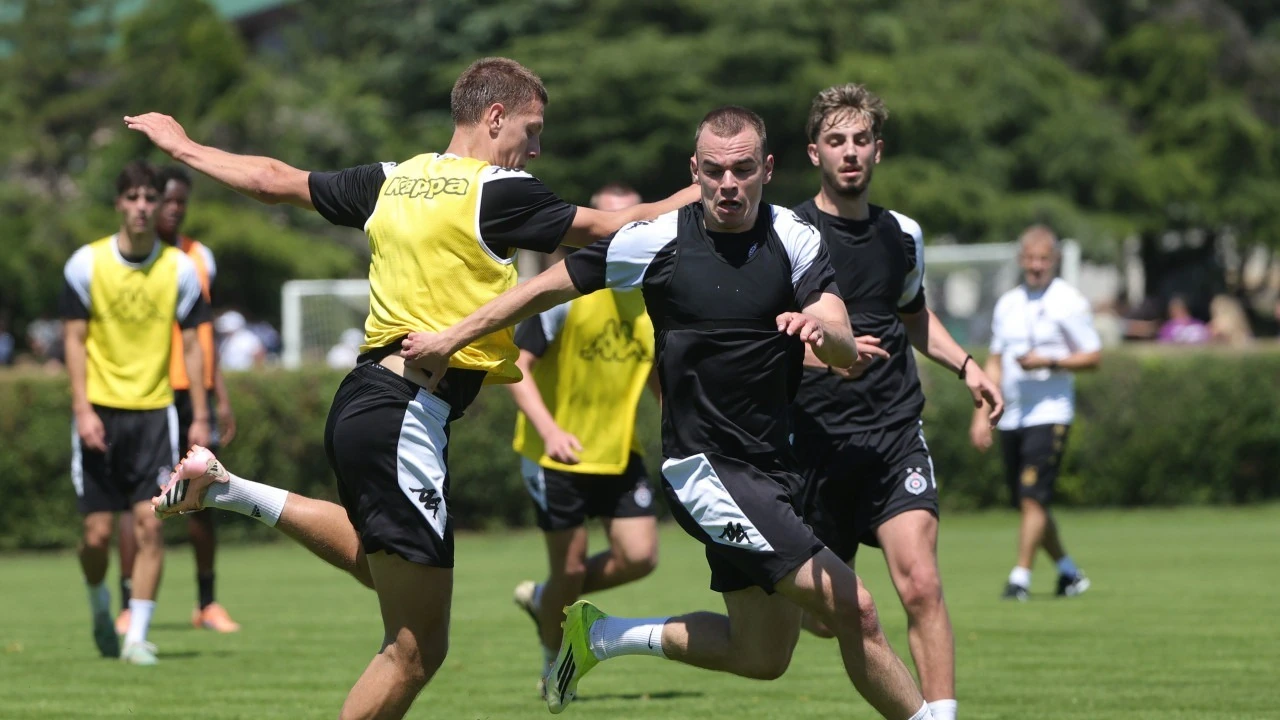
Many current supporters were born years or decades after Mance's final match. They still recognize his name, number and celebration because football memory is carried through repeated acts. A parent describes a goal, a stadium image appears again, or a young forward learns why a shirt matters. This transmission is not the same as pretending to have witnessed the event. It is a way for a community to keep its history available. Partizan's official remembrance provides a common reference so the story does not depend only on fading personal recollection.
Number nine represents responsibility as well as fame
A famous shirt can inspire a young striker, but it also creates comparison with a player from a different era. The useful lesson from Mance is not that a successor must copy his movement or celebration. It is that commitment in decisive moments can define a relationship with supporters. Modern players face different training, schedules and tactical roles. They can respect the number by accepting responsibility and playing honestly for the team, rather than performing an imitation that has no connection to the current match.
Archives protect detail from becoming myth
Photographs, reports and surviving footage allow the club to preserve exact moments. They help separate a confirmed match, goal or date from a story changed through repetition. An archive does not reduce emotion; it gives that emotion a reliable foundation. Partizan can use anniversaries to present material in context, identify people correctly and explain why one scene mattered. That work is especially important online, where an incorrect caption can spread faster than a careful correction. Respect includes accuracy about the person being remembered.
Discuss the news - leave a comment!
Go to comments ↓
Comments
0