
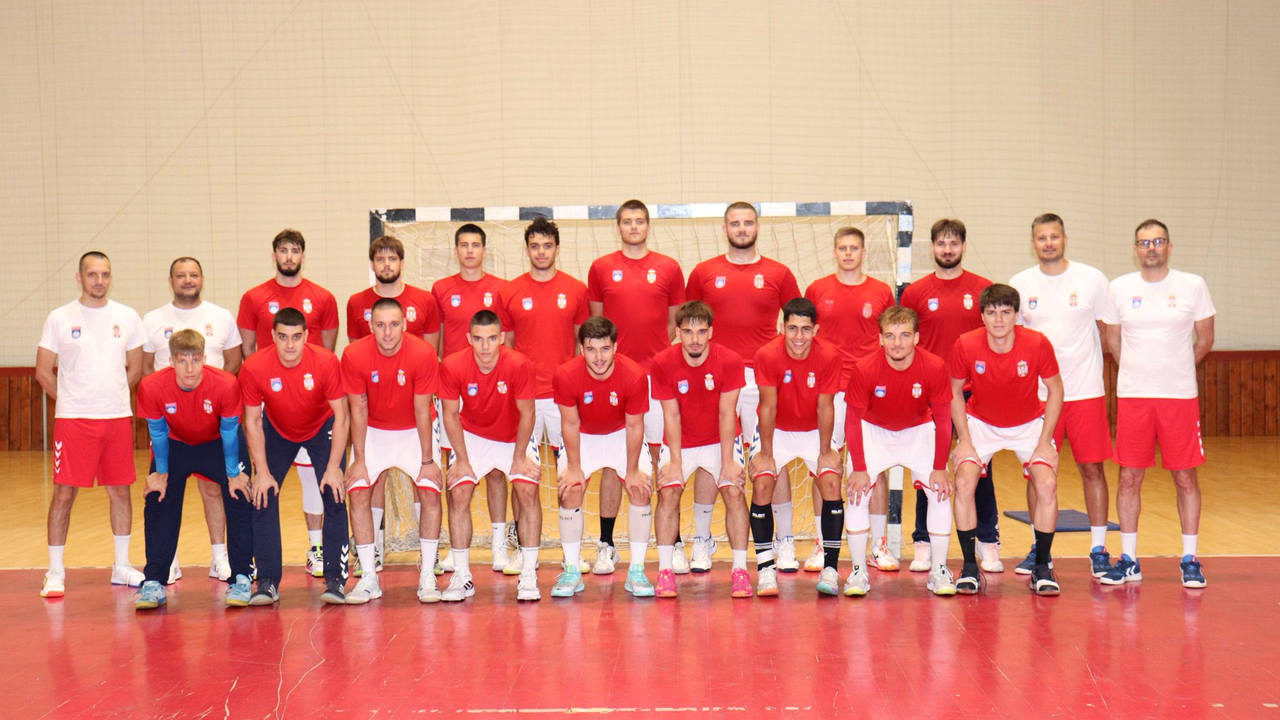
The draw gives Serbia a clear but demanding path
Serbia’s under-20 handball players enter the European Championship with a group that leaves no room for a slow start. Switzerland, the Faroe Islands and Turkey each demand different answers, so Serbia must find its basic rhythm quickly.
In the younger age groups the opening match often sets the tone for the whole tournament. If the team gains confidence in defence and transition straight away, the bench can rotate more freely and the backs do not have to solve every attack under pressure.
Above all, Serbia should not read the group as an easy schedule. The direct route exists only if the small things are done correctly: getting back into defence, firm contact, a sharp first pass and patience against a set zone.
Group overview
| Competition | European Championship for under-20 handball players. |
|---|---|
| Group | Serbia, Switzerland, the Faroe Islands and Turkey. |
| First aim | Enter the tournament without losing balls that give easy counterattacks. |
| Main support | Defence, the goalkeeper and fast transition. |
| Biggest risk | Empty spells in attack against different styles of play. |
Also read Serbia’s U20 women’s basketball side after the loss to Italy. Another related story is Serbia’s water polo preparation block.
Defence has to shorten the game
Serbia will control the group most easily if its defence reduces the number of cheap shots conceded. That does not simply mean a harder foul. It means better moves out to the backs, tighter marking of the pivot and fewer delays when the ball is switched to the other side.
Young teams often lose their shape after two quick mistakes. That is why communication matters as much as physical strength. If the line moves together, the goalkeeper gets a clearer picture and can settle into the match sooner.
A defence of that kind also opens up the transition game. Serbia does not need to run after every ball, but it must punish the moments when a rival loses its balance. Easy goals take pressure off the positional attack.
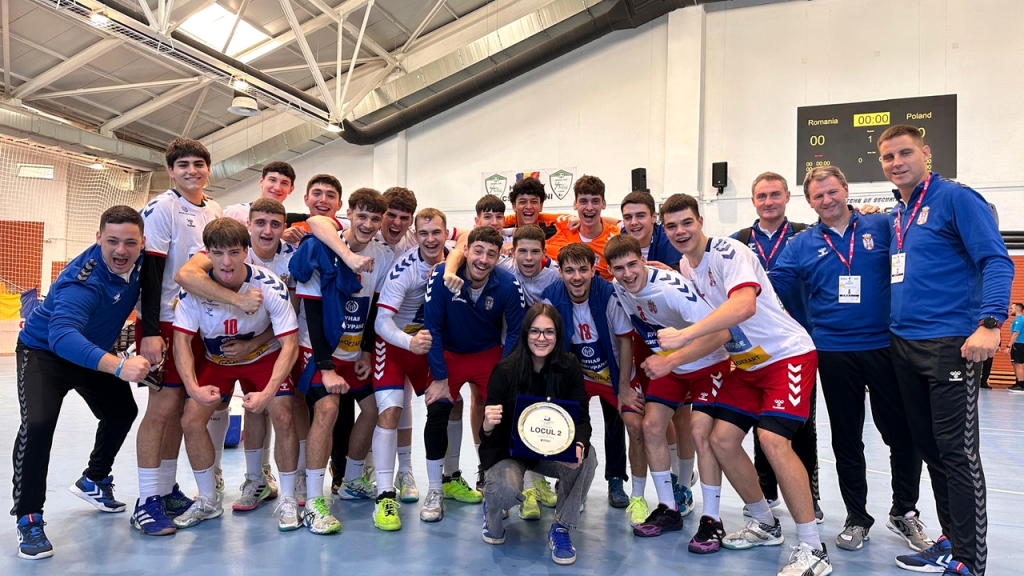
The attack should avoid rushed solutions
At a tournament against different opponents, the temptation is to solve every attack with the first shot. Serbia must be careful. A quick shot is not a problem if it is clean, but a poor quick shot opens the counterattack immediately and changes the mood of the game.
The backs should use the width and avoid forcing the ball into the middle when there is no space. The pivot must stay active, because his movement keeps the rival’s defence from coming out too aggressively.
If Serbia finds patience in the first ten minutes, the whole match becomes calmer. Mistakes are then easier to correct, and the young players do not go into the closing stages feeling they have to invent a goal.
Each opponent asks for different attention
Switzerland may demand discipline in positional attack, the Faroe Islands may bring a high tempo and plenty of confidence, and Turkey a physical contest in which contact becomes the main issue. Serbia must recognise the difference before the scoreboard starts to press.
That is the job of the coaching staff, but also of the players on the court. Captains and backs must quickly sense what is not working. If a rival gets the same space three times in a row, the reaction cannot wait until half-time.
That is where the value of the tournament lies. A young team learns not only systems. It learns how to change its plan while the match is still going on.
A good start would open up the whole week
Serbia does not have to look perfect straight away, but it must look organised. A good start to the group would mean less nerves, easier rotation and more room to correct small errors without panic.
If the first match turns into a chase, every later duel carries extra weight. That is why early discipline matters most. Defence should send the first message, and the transition game should reward good work without the ball.
For Serbia’s U20 side this championship is a chance to show it has more than talent. It needs order, patience and the ability to answer different opponents in different ways.
If that shows within the group, Serbia will go into the rest of the tournament with a far firmer sense of control.
The tournament rewards the team that matures fastest
Under-20 championships are often decided by how quickly players mature. A side that is still searching for roles in its first match can look much clearer by the second. Serbia must therefore use every training session, every video meeting and every short conversation between matches.
The reaction of the goalkeeper and the defence after a poor spell will be especially important. If the team can stop a rival’s surge without a long collapse, it gains the confidence that carries into attack. For a young squad that is a huge asset.
For that reason the group should not be judged only by qualification. It is also a test of how quickly Serbia can turn a collection of talented players into a team that understands the same plan.