
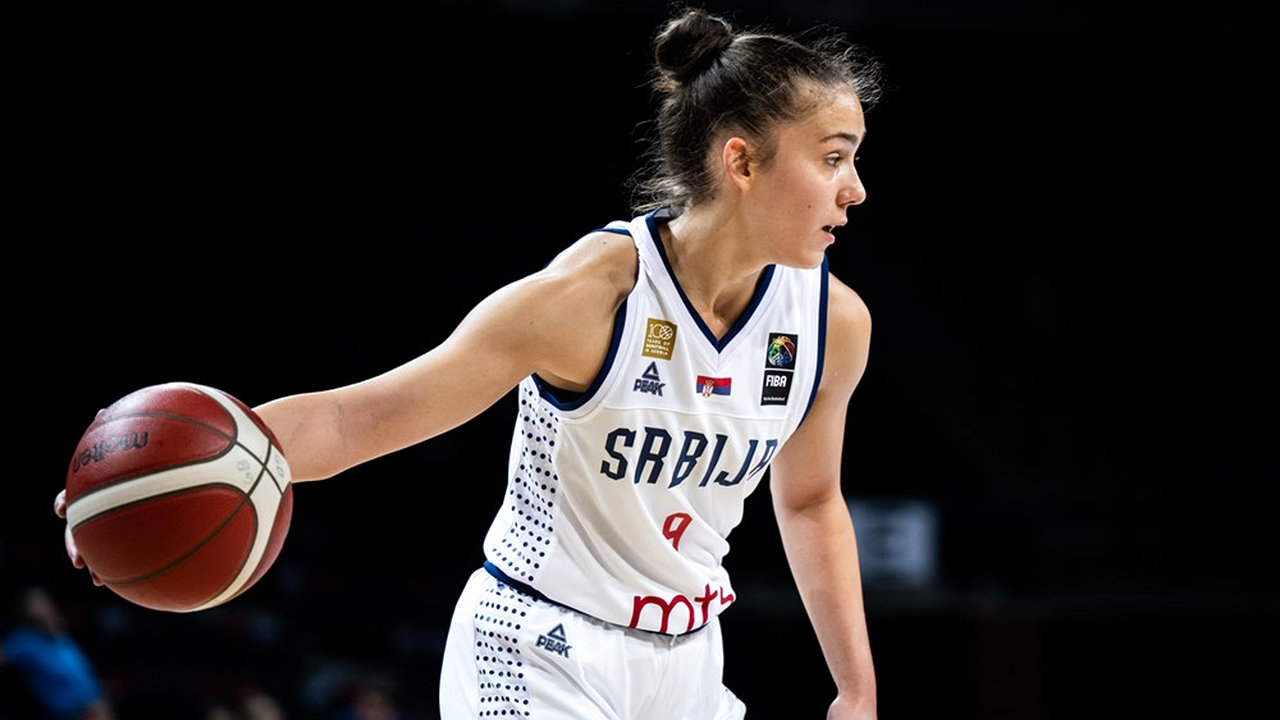
Turn the Italy defeat into working material
Serbia U20 cannot carry the loss to Italy for long, because the tournament in Alytus demands an immediate reply. The clash with Poland is therefore more than the next fixture on the schedule. It is a test of character, focus and the ability to turn a difficult game into a clearer plan.
Young teams often learn the most in the gap between two matches. There is little time for major changes, but there is enough to correct the decisions that hurt most: rebounding after misses, the first pass under pressure and patience in attack.
Above all, Serbia must not enter the second game feeling it has to fix everything with one possession. A good response usually starts with small things. One solid close-out, one calm set and one clean shot can change the mood.
Key points ahead of Poland
| Competition | European Championship for women’s basketball under 20. |
|---|---|
| Venue | Alytus. |
| Previous match | Serbia lost to Italy. |
| Next opponent | Poland. |
| Priority | Better rebounding, fewer turnovers and a calmer attack. |
Also read the volleyball VNL weekend in Belgrade. Another related story is Serbia U20 handball team’s route at the European Championship.
Rebounding decides how long the defence lasts
Against Poland, Serbia will need to finish every possession. Solid defence means little if the opponent gets a second chance. Young players in particular must recognise the moment a rotation ends and the battle for the ball begins.
This is not only the job of the centres. Guards have to crash the paint, wings must box out their own side, and the first player to the ball has to make a secure decision. If the boards are won, Serbia can run and collect easier points.
If Poland creates many new attacks, the pressure returns to the Serbian defence. Fatigue then builds, and each new Serbian attack starts on heavier legs. That is why rebounding is one of the shortest routes to a calmer game.
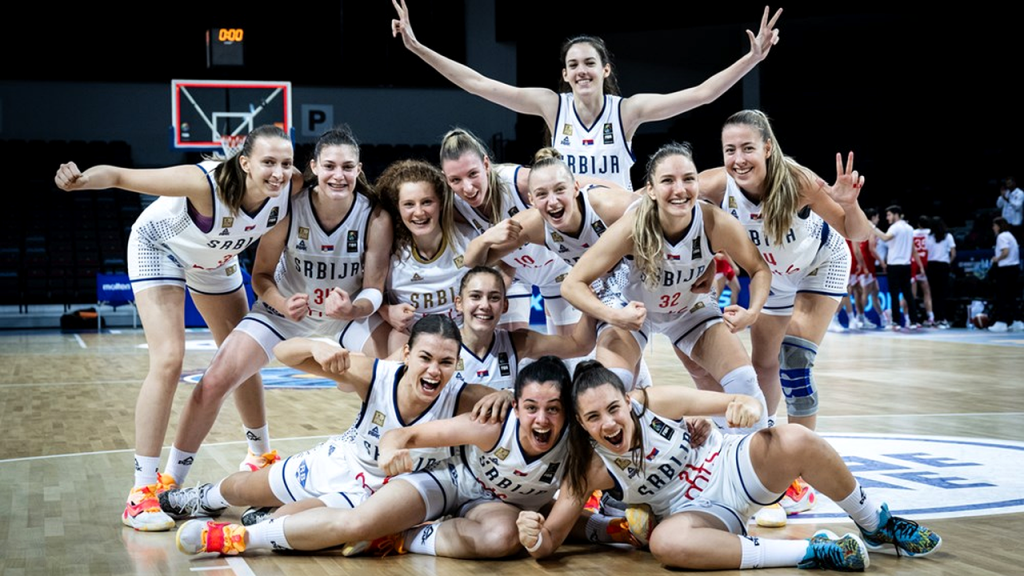
Keep the attack simple
After a defeat, there is often a temptation to fix everything with a complicated play. Serbia should avoid that. Against Poland, what matters most is a clean first pass, a ball that does not sit too long in one player’s hands and shots taken from good balance.
When the attack stalls on one side, the defence reads the next move more easily. Once the ball switches sides, space opens for a drive, a skip-back pass or a corner shot. These are decisions that do not need a miracle, only good spacing.
It is especially important that Serbia does not chase the score too early. Even if Poland goes on a run, the answer should be a calm attack rather than the first difficult shot. Young teams grow when they learn to stop a bad spell without panicking.
The bench can change the rhythm
In a tournament like this, rotation is not just rest for the starting five. It is a way of changing the energy. A player who comes off the bench can bring pressure on the ball, a stronger rebound or a simple basket that restores confidence.
Serbia therefore needs to be clear about what each role demands. Someone must speed up the ball, someone must close the paint, and someone must hit an open shot without extra dribbling. When the roles are clear, the bench does not look like a forced change.
Poland will try to find a spell in which the Serbian rotation loses its shape. If Serbia gets through that spell, it will have a much better chance of finishing the game with a steady body language.
The response matters more than the impression
Serbia does not have to win pretty to show progress. After Italy, it matters more that the game looks more mature. Fewer gifted turnovers, better closing in the paint and a clearer first attack after a timeout would all be good signs.
U20 competitions often change mood within a day. A team that looks fragile after a defeat can find its rhythm in the very next match. That is why Poland is not just an obstacle. It is an opportunity to show that the group has an answer.
If Serbia accepts that task calmly, the tournament stays open. If the defeat to Italy lingers in their heads, every Polish run will look bigger than it really is. That is why the first quarter carries particular weight.
The best message for what follows would be simple: Serbia learned something quickly and took it onto the court straight away.
The first response has to show immediately
The best outcome for Serbia would be a change visible in the opening attacks. It does not have to be a big run, just a clearer setup, a surer first pass and a more decisive rebound. If Poland quickly senses that Serbia has not stayed weighed down by the Italy defeat, the psychological tone of the game shifts.
Coaches will particularly value the reaction after a mistake. A young team cannot play flawlessly, but it can show that one lost ball does not lead to three more. That kind of control often makes the difference in the group stage.
So this clash matters beyond the scoreboard. It should show that Serbia can learn quickly, accept correction and open its next game with more composure than the last.