
A calm preparation block is worth a lot
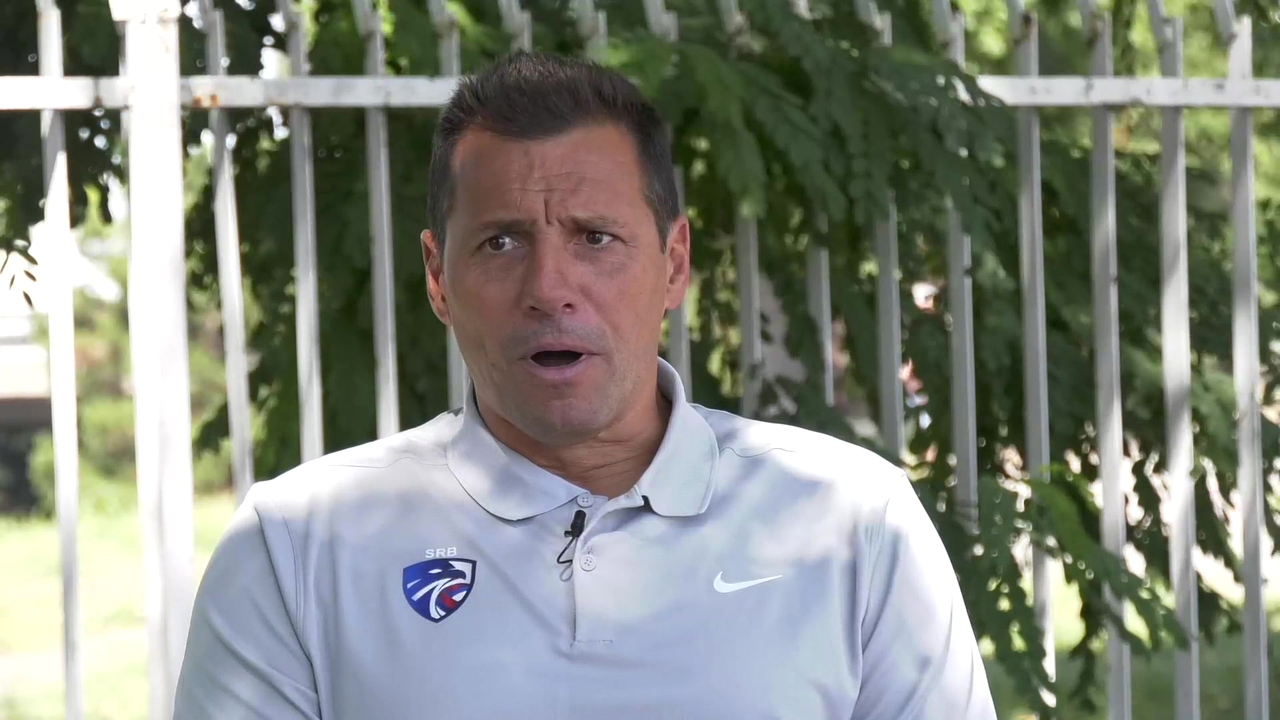
Serbian water polo is entering a preparation block that gives Vladimir Vujasinović what coaches most want before major tests: time without constant interruptions, enough training and room to divide roles clearly.
A period like this rarely looks spectacular, yet it often decides how a team responds when a match turns difficult. If defence, transition and communication are tidied up in training, fewer things have to be solved under pressure in the water.
For Serbia it matters that preparation is more than physical work. Every player needs to know what is expected of him in the zone, on the recovery and in attack with a man up.
The shape of the preparation
| Coach | Vladimir Vujasinović. |
|---|---|
| Side | Serbia men’s water polo national team. |
| Theme | Preparation block ahead of the next competitive commitments. |
| First focus | Defence, transition and clear roles. |
| Risk | Good training that does not carry over into match habits. |
You can also read about Serbia’s U20 handball side drawn into a European group. Another related story is Serbia’s VNL weeks in Belgrade.
Defence has to be a shared language
A water polo side can have a quality attack, but without a common defensive language there is no stability. Serbia must know who steps out, who covers the goal and when to take a risk. Every delay in the water quickly turns into a clear shot.
Preparation is the right place for those details. A match often shows only the result, but the cause comes earlier: poor body position, late communication or the wrong angle of help.
If Vujasinović manages to make those habits automatic, Serbia will get through spells when the attack is not working more easily. Good defence keeps a team in the game even when the shots are not going in.
Transition cannot be left to chance
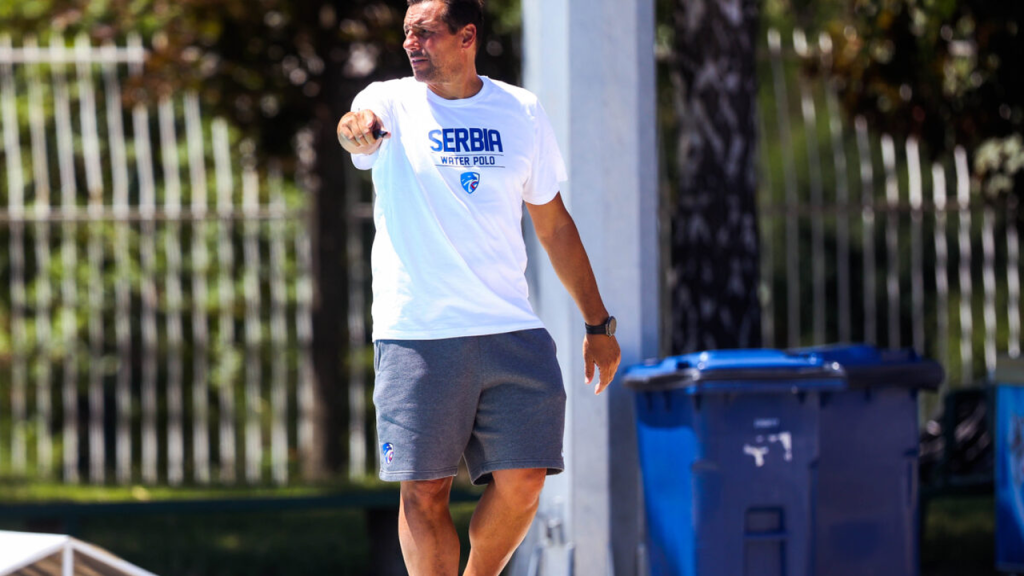
Serbia has to know when to sprint and when to slow down. Not every ball won back becomes a counter, but every ball won back needs a first clear decision. This is where a prepared side often separates itself from a chaotic one.
If the wings quickly spot space, the attack gains easy metres. If the ball is held too long, the opponent drops back into a set block and Serbia has to play against an organised defence.
That is why transition is a key preparation theme. It is not only a question of swimming speed but of timing, the first pass and the choice of shot.
The man up needs a calm head
In big matches the player with the extra man often decides the gap between a good performance and a defeat. Serbia must build structure into those attacks. A rushed shot from a poor angle can look brave but often just hands the ball back to the opponent.
Vujasinović will probably ask for the ball to move quickly, but not in a panic. The aim is to shift the defence and open a shot from better balance. That takes repetition, because the right decision has to come within a second.
If Serbia sorts out the man-up play in preparation, it will have an important tool for competitive matches where there is little room to correct mistakes.
Preparation should create a clear picture of the team
The best outcome of this block is not just better fitness. The best outcome is that the coaching staff knows who can carry the hardest minutes, who changes the rhythm and who closes out a match when the score gets tight.
A picture like that does not come from a single session. It comes through repetition, small competitive games and reactions after mistakes. That is why a calm preparation block is worth so much.
Serbia has enough water polo knowledge, but that knowledge has to become order. If communication, quick transition and a composed man-up player are visible in the water, Vujasinović will have a solid base for the next test.
In that case the preparation will not be just a waiting period. It will be part of the competitive response that starts before the first official sprint.
Preparation details must survive pressure
Every preparation block looks good while there is no pressure. The real test comes when the opponent presses, when a refereeing decision changes the rhythm and when a player with the extra man has to decide without rushing. Serbia therefore has to rehearse the details as if they were already competitive.
Vujasinović will gain most if he sees how players react after a mistake. Water polo does not allow long regret, because the next attack opens quickly. A team that gets back into position after a poor shot shows that it understands its structure.
If that carries over from training into matches, this calm preparation block will have clear value. Serbia will then gain not only better form but also a better habit of staying organised when a game becomes hard.