
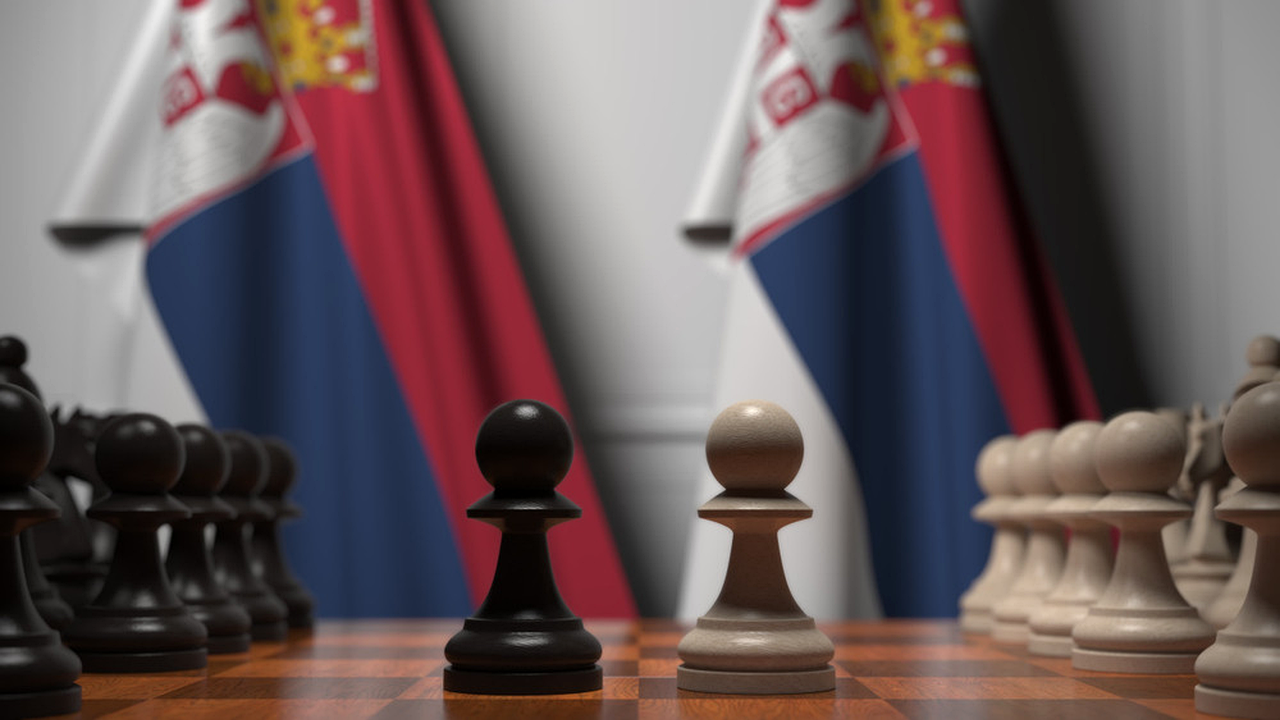
A large field changes the value of the event
Serbia Open is not just another weekend tournament on the calendar. When around 500 players gather in Belgrade, chess gains a stage that brings together professionals, young competitors, coaches and the families who follow each player’s development.
A field of that size immediately raises the organisational bar. It requires good halls, clear timings, an exact schedule and a calm environment so the games keep their competitive character. In chess, the details away from the board often shape concentration over it.
For Serbian chess it matters that such an event is held in Belgrade. The city sends an international chess signal, and domestic players get the chance to play a strong tournament without a large travel bill.
Key facts
| Event | Serbia Open Chess Festival. |
|---|---|
| Venue | Belgrade. |
| Scale | Around 500 players across several groups. |
| Main value | International games, rating points and experience for younger players. |
| Wider effect | A more visible place for chess in the Serbian sporting calendar. |
Also read Jokić’s qualifying performance for Serbia. Another related story is Djokovic’s return to the Wimbledon quarter-finals.
Young players get a rare classroom
For young chess players, a festival like this carries special weight. Playing only familiar opponents from your own club is one thing; facing people who bring different styles, tempos and preparation is another. It widens a player’s view of the game.
One game can expose a problem in the opening. Another can reveal a weakness in the endgame. A third can teach a player how to sit calmly after a mistake. Lessons like these are hard to come by in training.
That is why a major tournament is more than a fight for points. It is an accelerated classroom. Players return home with a list of things to fix, and coaches get clearer material to work from.
Organisation has to protect concentration
A chess festival with hundreds of entrants can easily turn chaotic if the schedule is not tight. Late rounds, unclear pairings or crowding around the hall create a fatigue that shows later in the games.
Organisational precision is therefore part of the sporting quality. Players need to know when they play, where they sit and how much time they have to prepare. When that framework works, the quality of the games rises naturally.
Belgrade has experience with big sporting events, but chess asks for a particular kind of quiet and discipline. A good festival is one where the size of the field feels like strength rather than an obstacle.
Rating is not the only prize
Many players at Serbia Open will look at rating first. That is only natural, since a chess rating shapes invitations, groupings and the next competitive plans. Yet the real worth of the festival stretches well beyond a few points won or lost.
Players build contacts, watch how others prepare and learn what a serious tournament routine looks like. Parents and clubs see where their children stand against a wider field. The federation gets a picture of its base.
For Serbian chess it is especially important that an event like this does not stay closed to the elite. If younger players feel that a major tournament belongs to them too, they are more likely to stay in the sport.
Belgrade sends a message that chess has room
In a day full of football, basketball and tennis, chess often has to fight for attention. Serbia Open shows there is an audience and a structure for a major chess event. That is an important message for clubs and schools.
A good festival can spark new training groups, new registrations of children and greater interest from local communities. Chess does not need a stadium, but it does need continuity. Events of this scale help that continuity become visible.
If the tournament runs in an organised way, Belgrade gains more than a few days of games. It gains proof that chess can be a serious part of the summer sporting season in Serbia.
So results on the top boards matter, but they are not the whole story. More important still is that 500 players return home feeling they were part of a large, clean and useful competition.
That feeling can keep young players in chess even after a first hard defeat. When they see a big hall, serious opponents and a clear order, they more readily understand that progress is built over a long time.
That is why Serbia Open has value even for those who will not be near the top. Every good game, every analysis and every new idea from the opening can become a step towards the next season.
That is the quiet but real benefit of a major tournament: chess stays alive for players who are only learning how to withstand pressure.