
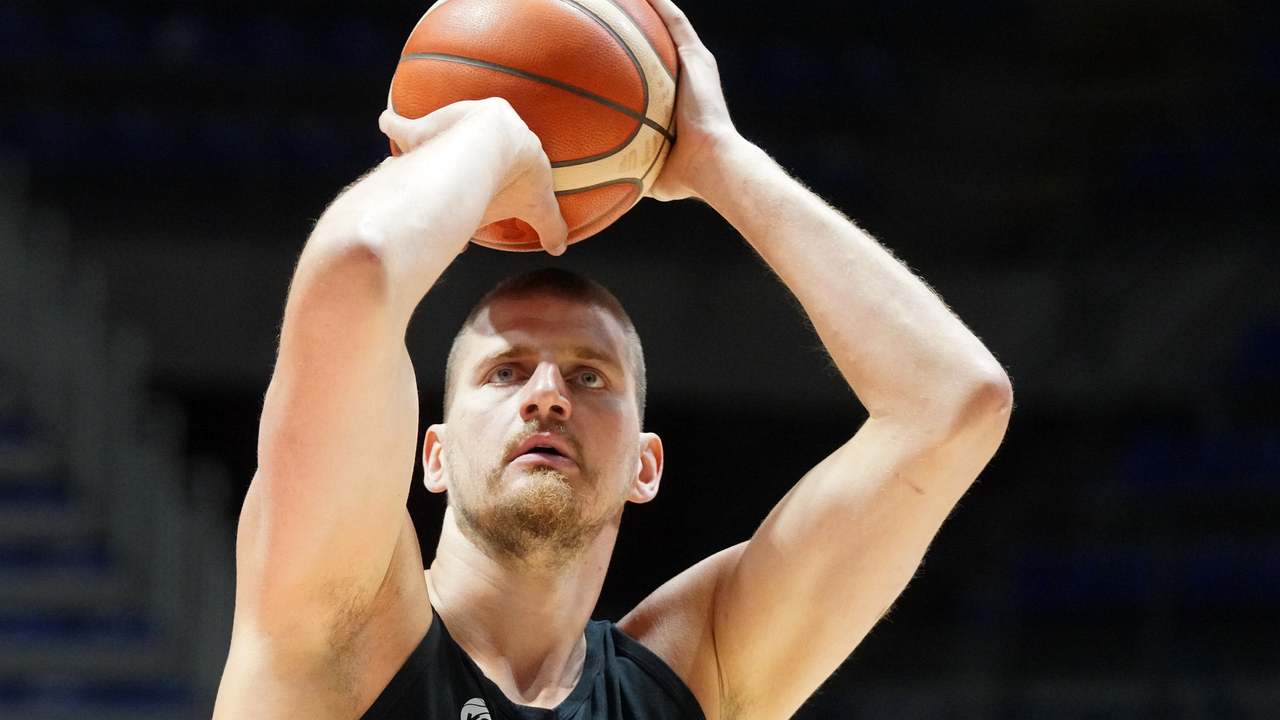
Jokić set a calm tone from the start
Serbia got what they needed most against Bosnia and Herzegovina: a win that did not look like a passing burst of form. Nikola Jokić kept the attack under control with a triple-double and gave his side a steady anchor just as the game could have turned edgy.
His value lay in more than his points, rebounds and assists. What mattered was how he picked the rhythm. When Bosnia tried to speed up possessions, Jokić slowed the ball down and put it where it needed to be. When a passing lane opened, he did not wait for an extra touch.
A performance like this carries particular weight in qualifying. One poor spell can reshape the standings, but Serbia had a player who brought every stretch of the game back into a simple order.
The key numbers of the game
| Competition | World Cup qualifiers. |
|---|---|
| Opponent | Bosnia and Herzegovina. |
| Serbian anchor | Nikola Jokić with a triple-double. |
| Key detail | Rebound control, the first pass and a calm attack from the paint. |
| Wider significance | The win gives Serbia a firmer position before the next stage of the cycle. |
Also read Serbia’s volleyball week in Belgrade. Another related story is Partizan’s signing of Brazilian forward Zé on loan from Goztepe.
The attack breathed through the centre
Serbia were at their best when they did not rush to find the first shot. The ball came into Jokić, and from there several options opened up: a pass to the corner, a short drive, or a simple finish close to the rim.
Bosnia had to choose between helping and leaving space. If their help came late, Jokić finished. If it came early, Serbia got a cleaner look at the basket. That kind of attack is hard to defend because it does not rely on a single pattern.
The best sign for the coach was that the team did not look confused when the first option was closed. The next decision came quickly, but never in a panic.
Defensive rebounding stopped the cheap runs
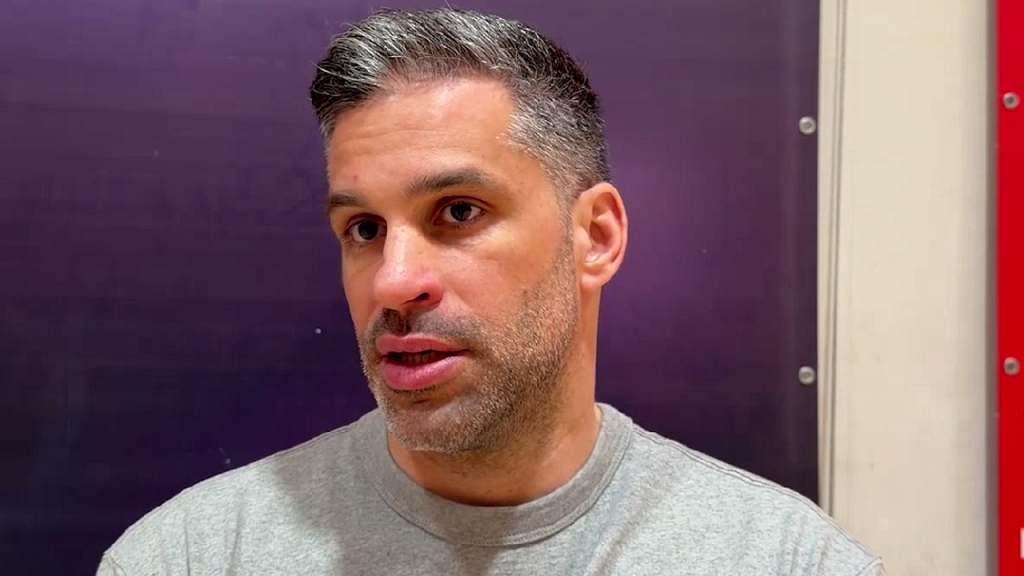
Qualifying games are often decided by the second chance. If an opponent misses and still gets the ball back, the whole defence has to start again. Against Bosnia, Serbia had to avoid exactly that problem, since extended possessions would have opened the door to nerves.
Jokić’s rebounding mattered as much as his assists here. When the centre ends a possession, the guards can run in transition and the team does not have to enter its attack under pressure. That also changes how the side carries itself.
Bosnia had spells in which they tried to find a rhythm through contact and quicker shots. Serbia came through those spells because they did not give away many easy continuations.
The other players had to use the space
Jokić’s influence only has its full value if the rest of the side accepts the open spaces. Serbia therefore had to hit the right angles on their movement. When the ball moves only back to Jokić, the defence can anticipate the next step.
Much of the work came in simple plays. A timely screen, a cut behind the defence and a shot without an extra dribble make the difference when an opponent watches too closely the centre of the floor.
That is also the message for the matches ahead. Jokić can raise Serbia’s ceiling, but qualifying demands wider responsibility. Every player must be ready to finish the action he opens.
The win matters, and so does the way it was earned
Serbia take more than two points from this game. They take a pattern of play that can be repeated. When there is a calm entry into the attack, control of the rebounds and a clear division of responsibility, the risk in qualifying becomes smaller.
Of course, the next opponents will look for different answers. Someone will double Jokić harder, someone will try to speed up the tempo, and someone will press the Serbian guards. Still, the basic route stays the same: no careless turnovers and no empty minutes.
That is why this win is a good starting point. Serbia had a star, but they also had a structure. In qualifying, that is often better news than the margin on the scoreboard.
If the side keeps the same level of focus, Jokić’s triple-double will not remain just an impressive figure. It will become proof that Serbia can build wins through structure, not only through individual quality.
It also matters that a performance like this eases the pressure on every next possession. When a team knows where its reliable anchor is, it accepts smaller roles more easily and makes fewer mistakes.
That does not remove the need for better finishing from the other players. If anything, Jokić’s game should be a call for everyone else to join in faster whenever the defence first closes the centre.
An answer of that kind would give Serbia more ways to win, even on the nights when Jokić does not have a perfect shooting day.