
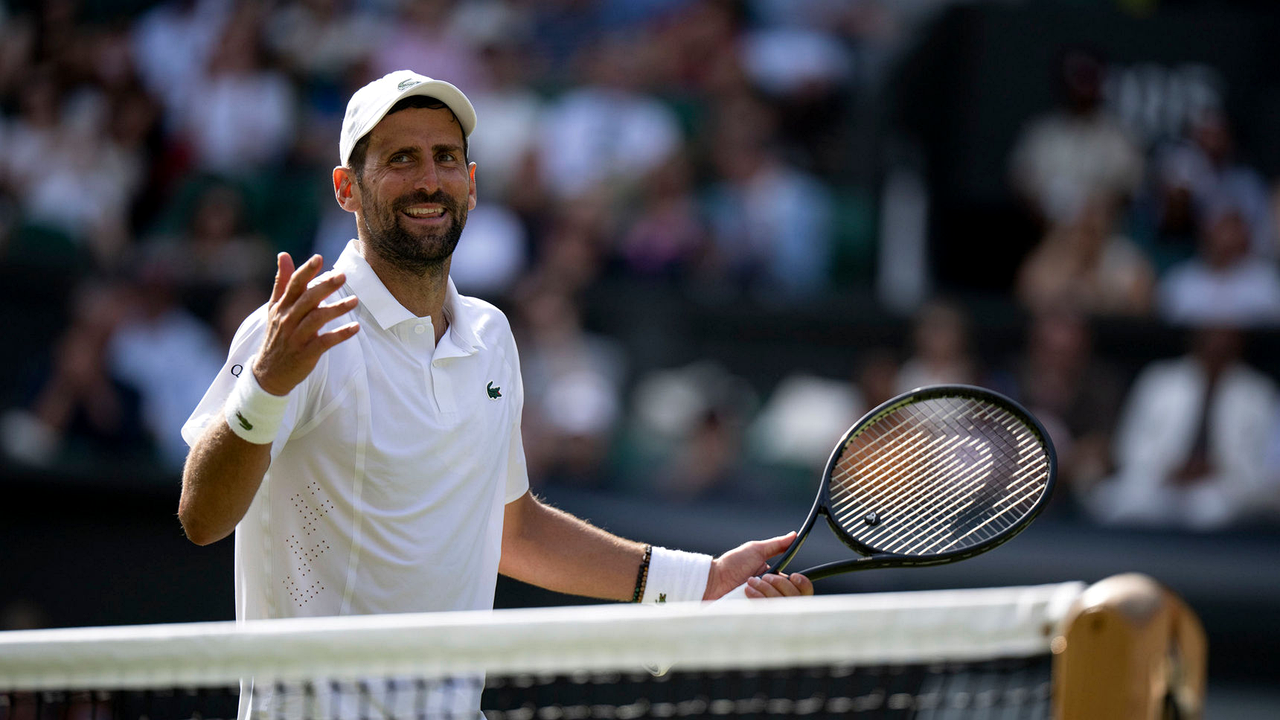
A return to the quarterfinals means more than routine
Novak Djokovic’s win over Roman Safiullin has sent him back into the Wimbledon quarterfinals. On paper, this may look like a familiar picture. Still, every run through the second week on grass demands a fresh reading of form, body and rhythm.
Safiullin was an opponent who could shorten points with his serve and his first strike. Djokovic therefore had to shape a match in which his rival did not win too many easy games. That work began with the return.
The most important thing for the Serbian is that the victory did not bring any needless chaos. At this stage, Wimbledon is not only about getting through, but also about keeping enough energy for the next match.
Key details
| Tournament | Wimbledon. |
|---|---|
| Stage | Place in the quarterfinals. |
| Opponent | Roman Safiullin. |
| Key | Returning that cuts down the number of easy service games for the rival. |
| Serbian focus | Keeping rhythm and body fresh for the rest of the second week. |
Also read about the Serbia Open chess festival. Another related story is Serbia’s VNL volleyball week in Belgrade.
The return had to take the calm away from the rival
Against a player like Safiullin, the return does not have to produce a break straight away. It is enough to keep getting one more ball back. When the server knows the point will not end quickly, he has to look for more precision, and that is where mistakes start.
Djokovic has often broken matches of this kind through pressure that does not show at once on the scoreboard. A first service game may hold, and so may a second, but every longer game leaves a mark. The rival begins to feel there is no clean way out.
On grass this matters especially. If the favourite does not touch the rival’s serve, a set can head to a tiebreak. If the return keeps working, the match slowly drifts into Djokovic’s zone.
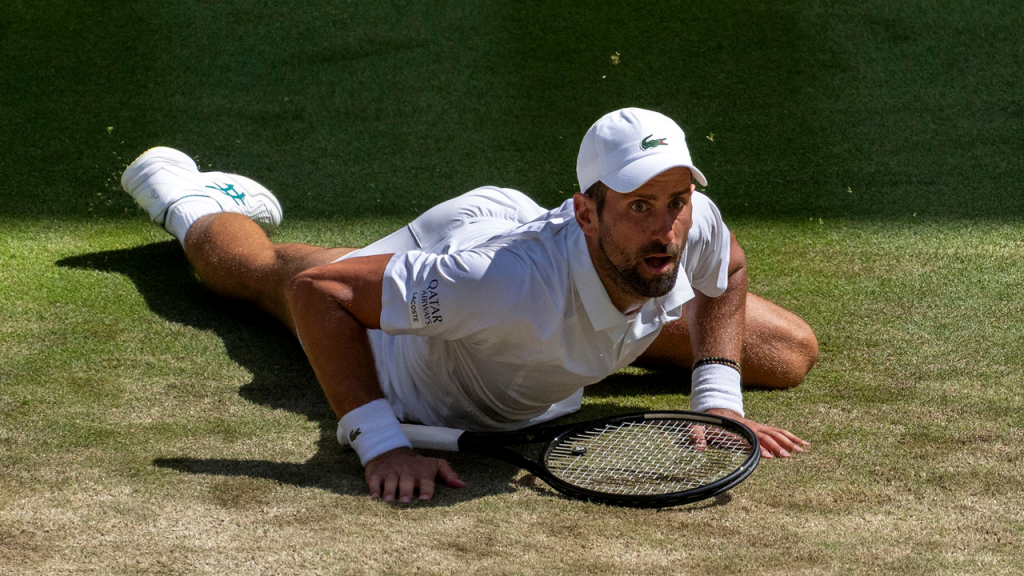
The serve kept the peace between break chances
Djokovic’s serve does not need to be the fastest at the tournament to be effective. What matters is that it sets up the first shot and does not hand the opponent many return points in a row. Against Safiullin, that part had to be stable.
Every clean service game saves energy. In the quarterfinal stage, that is no small thing. Short games give a player time to breathe, protect the legs and stop the opponent from sensing that the match is opening up.
That is why the serve in this win should be read as part of the control, not simply as a statistic. It kept the match on Djokovic’s terms.
Movement on grass remains a special test
Wimbledon in the second week demands secure movement. The grass changes, the bounce can stay low, and every slippery step can disturb a shot. Djokovic needs to know whether his legs react quickly enough before the bigger duels.
The win over Safiullin is therefore useful as a physical test too. If a player wins longer rallies without any visible hurry, that is a good sign. If he has to force the first shot too often, the next matches become harder.
The Serbian looks at his best when movement and return work together. Then he is not only defending space, but reading it in advance.
The quarterfinal calls for an even sharper plan
Reaching the quarterfinal does not close the job. If anything, every weak run of games now carries a higher price. Djokovic will need to keep the same level in service games, and punish short balls he receives more quickly.
A good sign is that the match with Safiullin had a clear tactical line. It did not rest only on name and experience. Djokovic had a path: return the serve, extend the point, keep his body language in order and not give the rival too much belief.
If he carries that path into the quarterfinal, Serbia will again watch a player who does not chase spectacle, but builds a win piece by piece.
For this stage of Wimbledon, that is the best news. The big result comes later, but big form usually shows itself in controlled wins like this one.
The next opponent will probably take more risks and come forward to the net more often. Djokovic must therefore keep his depth, because on grass a short ball quickly becomes an invitation to attack.
How the first set begins will also matter. If he brings the return into the match straight away, the quarterfinal can be played on his terms. If the rival wins a few easy games, the pressure moves to the ends of the sets.
Djokovic manages best in exactly those small transitions. That is why the win over Safiullin is worth more if it helps him open the next match even more cleanly.
For Serbian fans, this means looking at more than the scoreline. Watch the depth of the return, the speed of the first step and the calm after the rare lapses.
If those details stay stable, the quarterfinal will not be just another round, but a continuation of the same clear plan.