
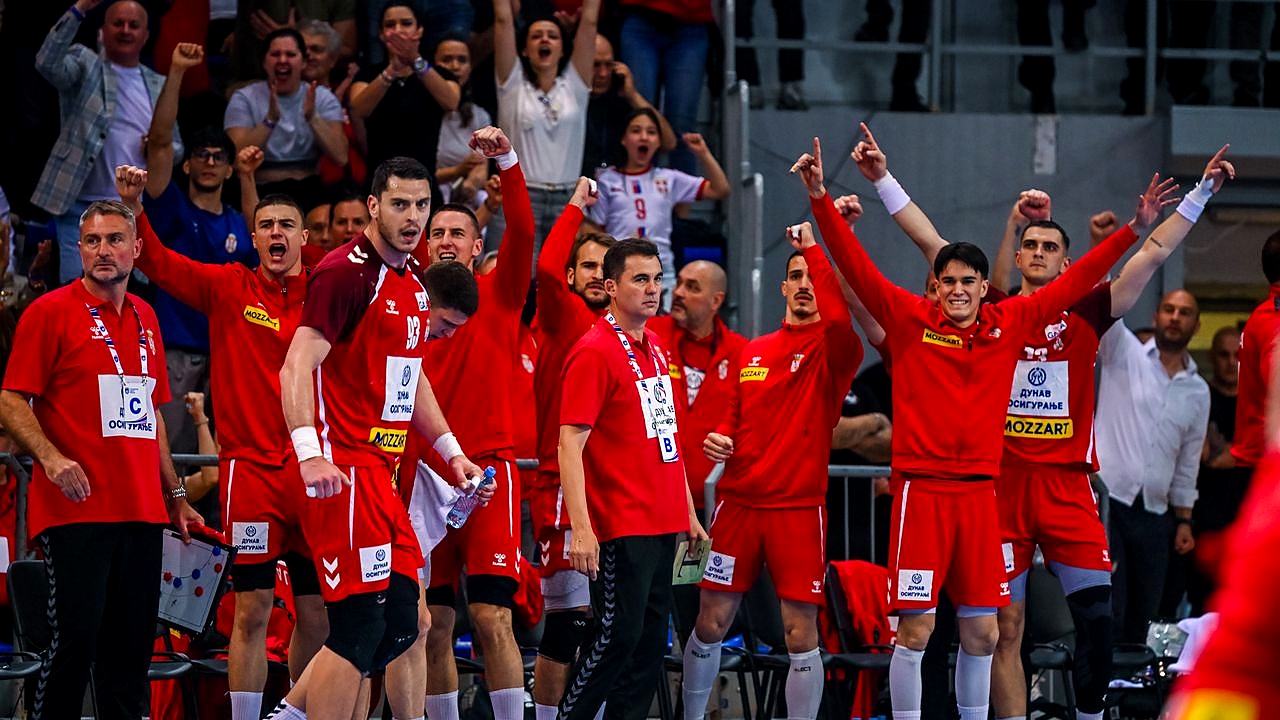
Andrea Lekic’s nomination to the EHF Players Board gives Serbian handball a governance story with a clear voice for athletes.
This is not a match result, but it matters because experienced players can shape the conversation on competitions, welfare and communication at European level.
Why the nomination matters
Lekic’s nomination is significant because elite players carry knowledge that rarely shows up in technical reports. Travel calendars, recovery and player welfare are the everyday reality of athletes.
A role on a European board would give that experience a formal place. For Serbian handball, it adds visibility beyond club and national team results.
A player’s voice off the court
The story also reflects the breadth of Andrea Lekic’s career. A player with her experience can speak with authority because she knows the demands of top-level handball.
The next question is whether the nomination becomes a formal position, and how the Players Board uses its voice in EHF discussions.
| Area | Detail |
|---|---|
| Person | Andrea Lekic |
| Body | EHF Players Board |
| Main angle | player voice and governance |
| Next step | watch whether the nomination becomes real influence |
Key details
For readers, the story is useful because governance can feel distant until it is linked to a recognisable athlete.
Serbian handball benefits when its names are present in decision-making spaces, not only on the court.
For more context on the same day’s coverage, see Serbia and Hungary boxing memorandum points to a wider regional path and Domenico Messina leaves Serbian football after a productive spell, as each adds a different part of the current schedule.
What Serbian handball can gain
The clear takeaway is that the nomination gives the sport a different kind of headline.
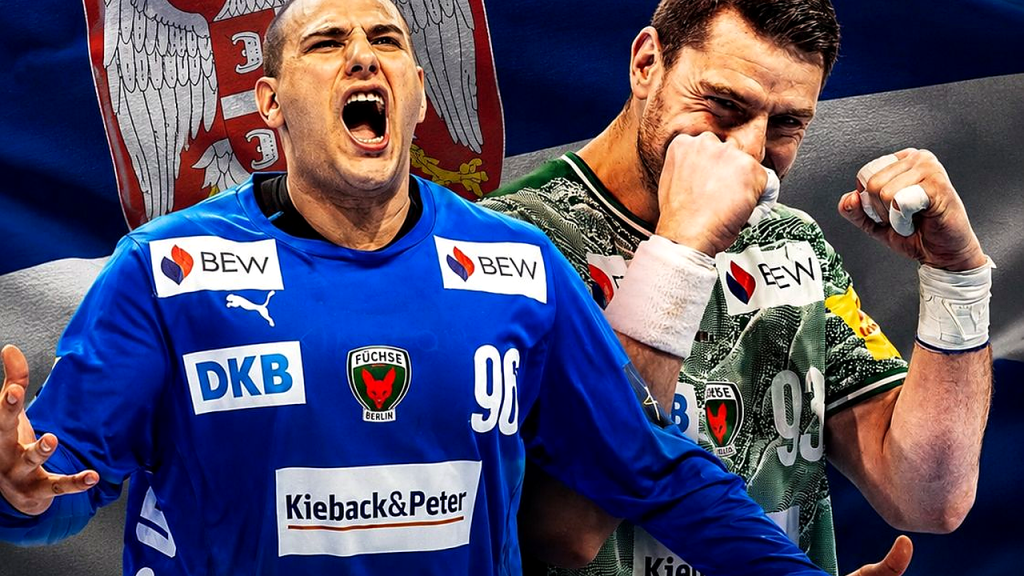
The matter comes down to influence, experience, and whether players’ concerns can become part of formal European dialogue.
The first point to follow is Andrea Lekic. In this context it matters because it shapes Serbia’s next preparation, not just the memory of a result.
The second point stays tied to the EHF Players Board. The coaching staff gets a direct measure for when the same type of opponent or pressure returns.
The practical question comes from voice of players and governance. If that element repeats, the story gains weight; if it disappears, the conclusion must be more cautious.
The pressure point is built around whether the nomination becomes real influence. That is the detail that most easily separates a useful sporting step from a short calendar item.
The next useful check should be measured through Andrea Lekic. Serbia does not need dramatisation here, but a next appearance that confirms a concrete gain.
The final point remains the EHF Players Board. The squad has a clear marker it must hold before the next match moves the conversation on.
The selection question is voice of players and governance. In this context it matters because it shapes Serbia’s next preparation, not just the memory of a result.
The competitive warning stays tied to whether the nomination becomes real influence. The coaching staff gets a direct measure for when the same type of opponent or pressure returns.
The clearest comparison comes from the Andrea Lekic point. If that element repeats, the story gains weight; if it disappears, the conclusion must be more cautious.
The short-term task is built around the EHF Players Board. That is the detail that most easily separates a useful sporting step from a short calendar item.
The development layer should be measured through voice of players and governance. Serbia does not need dramatisation here, but a next appearance that confirms a concrete gain.
The calendar detail remains whether the nomination becomes real influence. The squad has a clear marker it must hold before the next match moves the conversation on.
The tactical concern is Andrea Lekic. In this context it matters because it shapes Serbia’s next preparation, not just the memory of a result.
The recovery detail stays tied to the EHF Players Board. The coaching staff gets a direct measure for when the same type of opponent or pressure returns.
The rotation question comes from voice of players and governance. If that element repeats, the story gains weight; if it disappears, the conclusion must be more cautious.
The confidence marker is built around whether the nomination becomes real influence. That is the detail that most easily separates a useful sporting step from a short calendar item.
The rival-related point should be measured through Andrea Lekic. Serbia does not need dramatisation here, but a next appearance that confirms a concrete gain.
The coaching staff’s priority remains the EHF Players Board. The squad has a clear marker it must hold before the next match moves the conversation on.