
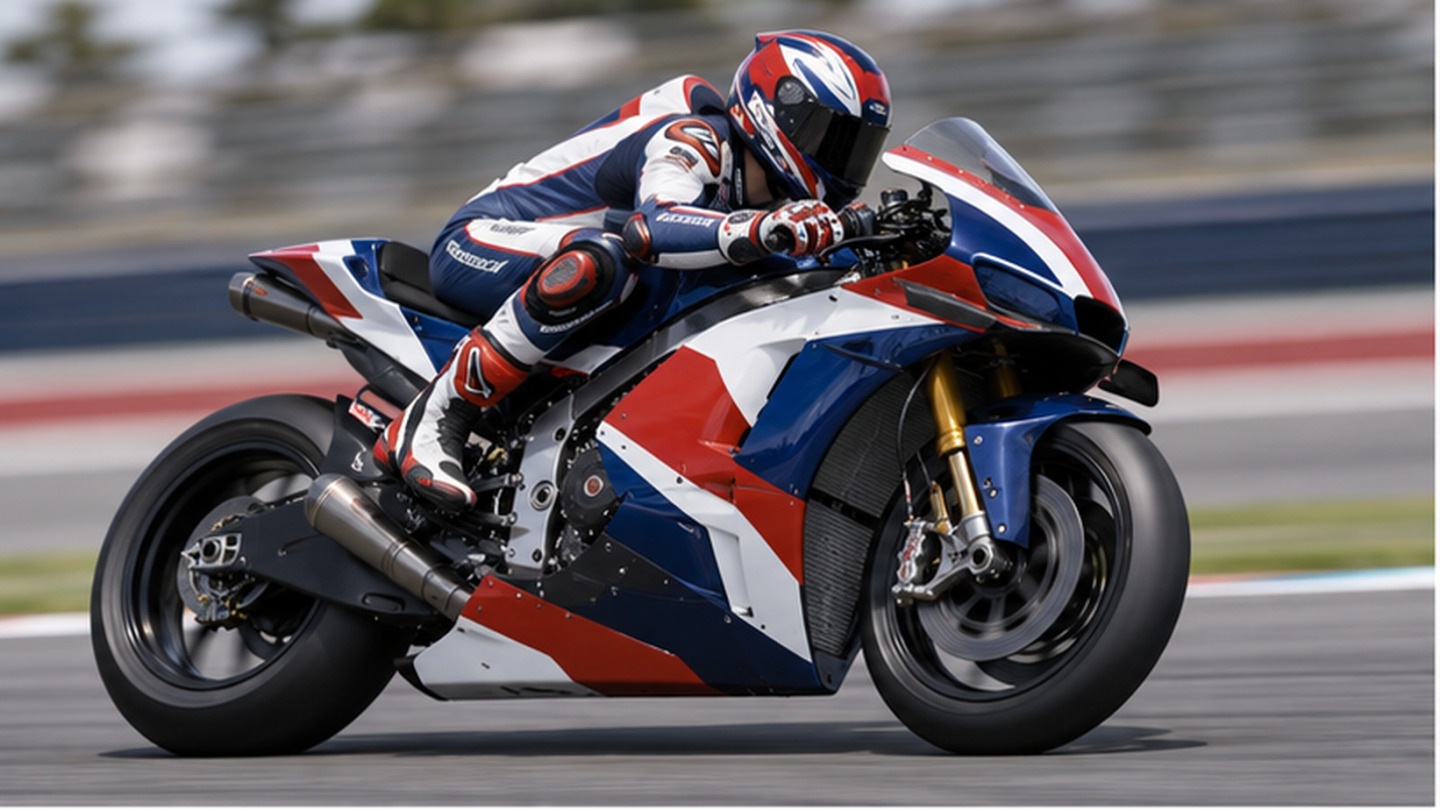
Honda Racing Corporation has confirmed that from the 2027 season Red Bull will once again be one of the main partners of its factory MotoGP team. The agreement brings back a familiar combination just as the championship enters a new technical era, with smaller-capacity engines and revised development rules. The partnership is about more than a change in the bike’s livery. It brings commercial stability, stronger global promotion and added expectations for a project that is trying to return to regular contention for race wins.
The two companies already share a long history across several branches of motorsport. Red Bull was highly visible alongside Honda’s MotoGP programmes and riders, while their work together in Formula 1 delivered championship results before Honda’s involvement changed. The new deal covers the factory team Honda HRC Castrol and starts in 2027, when every manufacturer will have to adapt its bikes to different rules. That makes the timing of the partner’s arrival more significant than a routine sponsorship extension.
The partnership arrives ahead of a major rule change
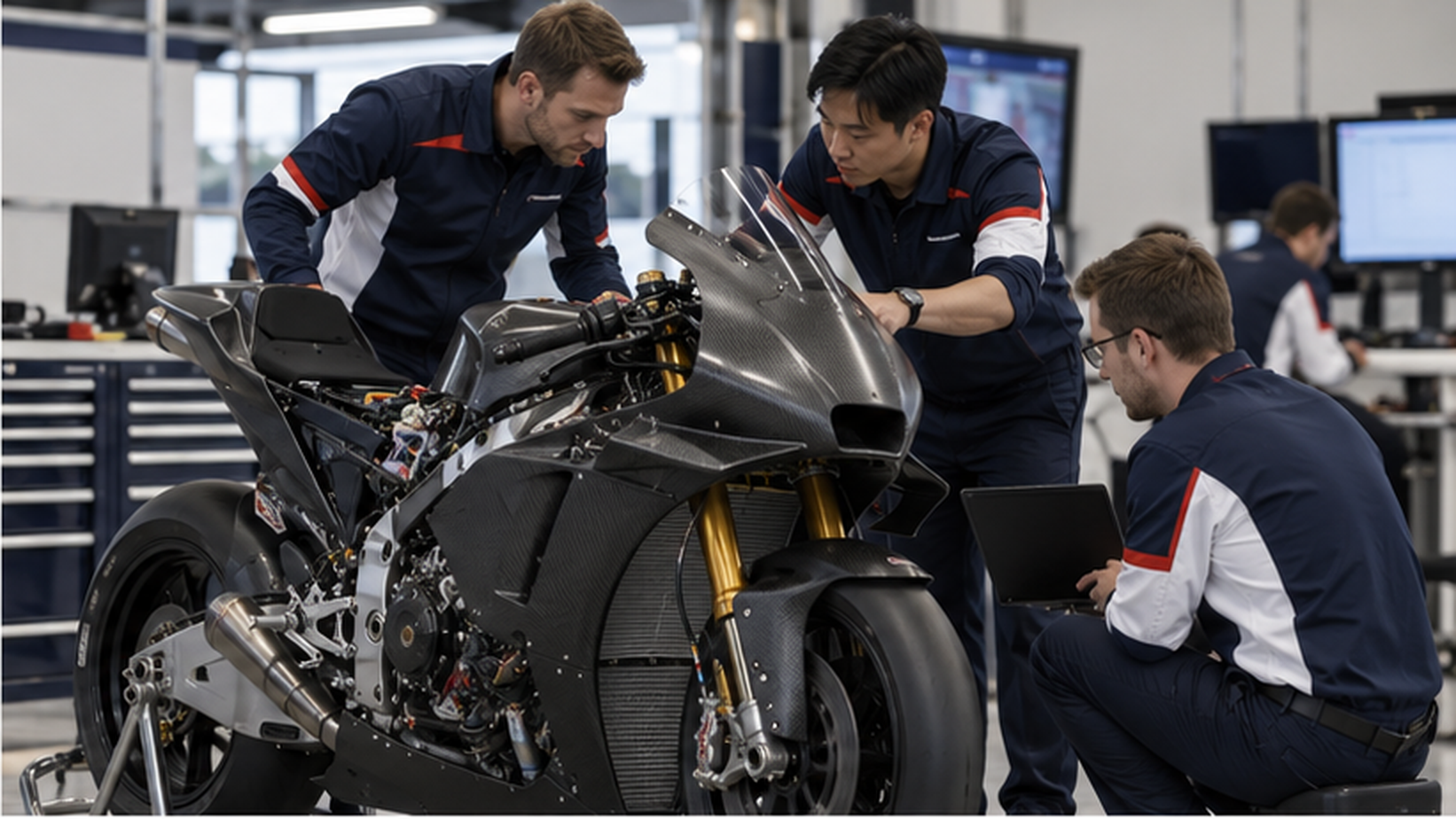
From 2027 MotoGP moves to a new generation of machines, so the factories are working simultaneously on engines, aerodynamics and tyre usage. Honda hopes to use that reset to close a gap that has been visible at various circuits in recent seasons. Financial and marketing backing does not solve technical problems by itself, but it makes long-term planning, testing and recruiting specialists easier. The result will be judged by lap times, reliability and progress across the whole season.
The deal will also shape the team’s identity. Colours and space on the bike must be reconciled with the existing commitments of Honda, Castrol and the new major partner. Just as important is how the change fits with the riders’ contracts and their personal sponsors. Such details often require negotiations that stay out of public view, yet they can affect equipment and promotional appearances. The official confirmation settles the main question about the partnership, while the team’s final look is left for a later presentation.
Honda wants a sporting effect, not just recognition
The return of a well-known brand makes a strong story, but Honda must avoid letting marketing replace an honest assessment of progress. The new rules give every manufacturer an opportunity, while also raising the risk that a flawed basic concept leaves a team behind for several seasons. The key work happens in the development centres and during testing. A partner can add resources and visibility, but engineers and riders must turn that investment into a bike that is quick in varied conditions.
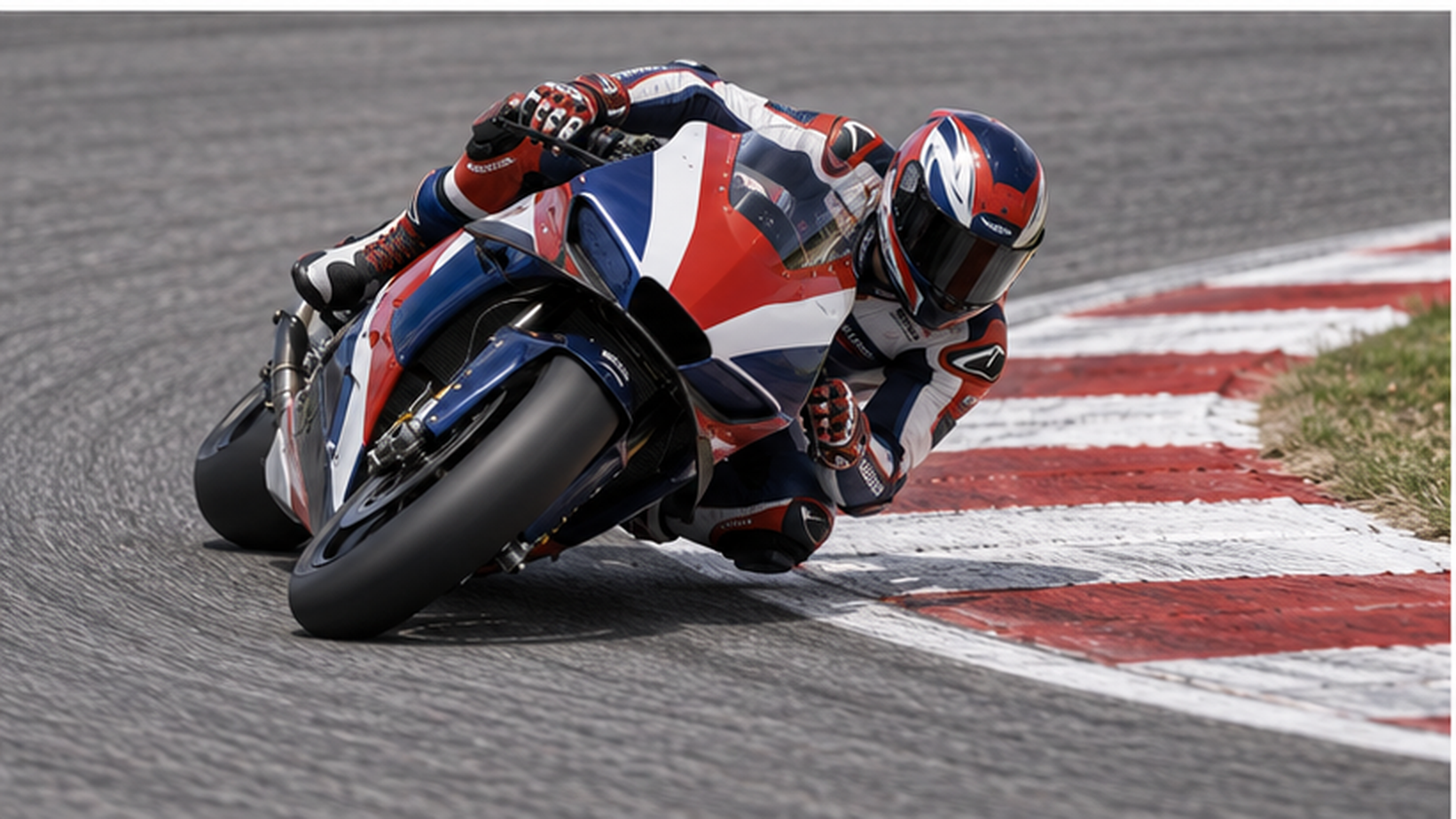
The next important steps will be the presentation of the full line-up, the first test of the new prototype and the preparation schedule for 2027. Only then will it be possible to judge whether the business news matches a sporting recovery for Honda. For now it is confirmed that Red Bull is returning as a major partner of the factory team. That gives the project a steadier footing and more attention, but the final verdict will depend on what the new bike shows on track.
For the riders, the new technical era will change the feel of acceleration, braking and power delivery to the rear tyre. The partnership does not directly affect set-up, but it can support a wider testing programme and communication with fans. Honda will want to turn the prototype’s mileage into reliable data, particularly at circuits that demand different levels of grip. If the bike is only quick in one type of corner, a sponsorship return will not hide the limitation over a long season.
Red Bull, meanwhile, must balance its presence in MotoGP with its other major investments in motorsport. The value of the partnership grows if it connects riders, young talent development and events, rather than remaining only a logo on the fairing. Honda has a recognisable global following, and joint campaigns can win back some of the attention lost during weaker results. Sporting credibility, however, will depend on transparent progress and the team’s willingness to admit problems while it develops the new package.