
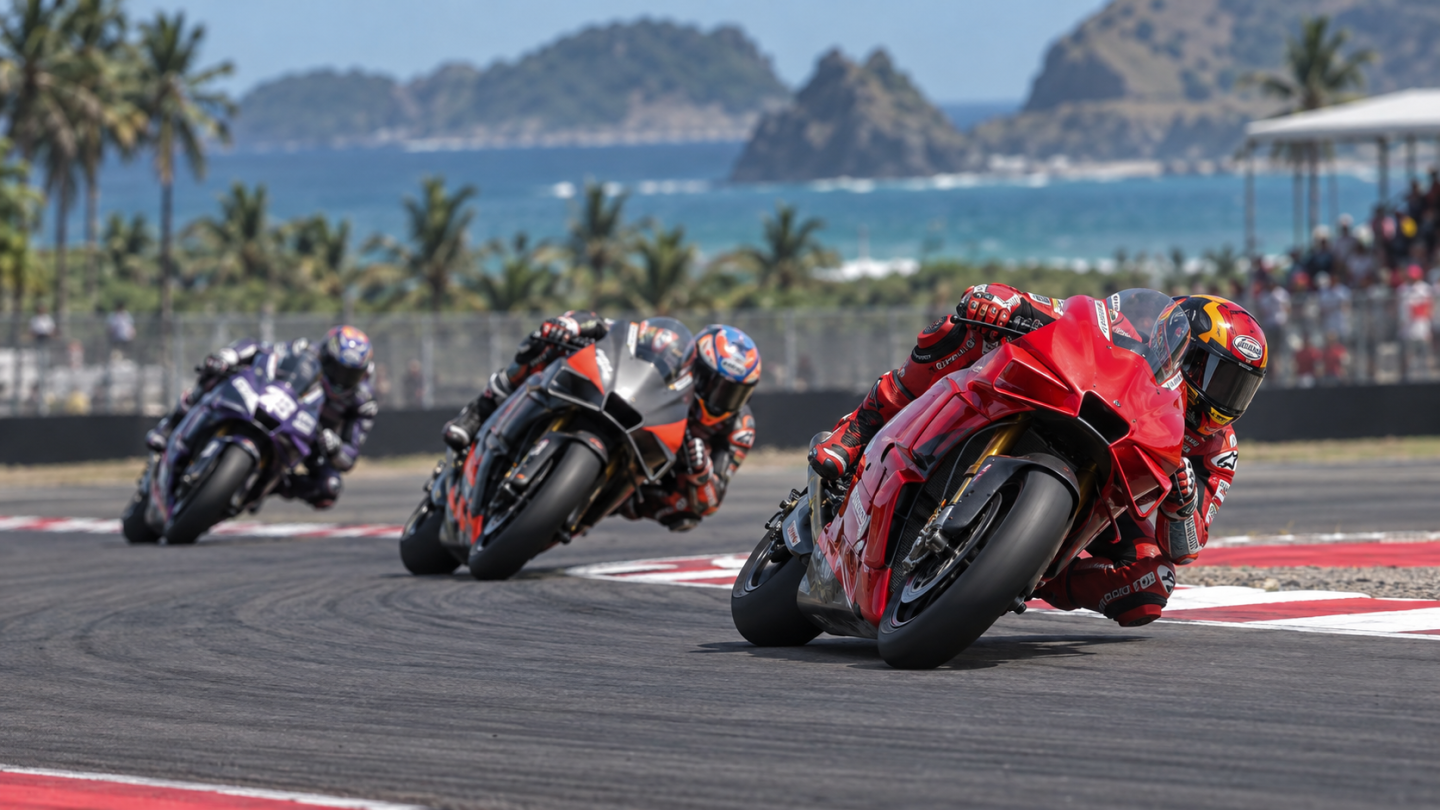
Marc Márquez won the sprint at Mandalika to take the top of the standings, while Ai Ogura and Fabio Di Giannantonio finished on the podium. The confirmed date, result and line-up give a solid foundation, but the forecast should be kept separate from what has already happened. For the reader, the most useful thing is to see at once the reason, the key change and the next test. That keeps the story clear even if circumstances shift later, and it lets the assessment be checked on track. For that reason, the next official update should confirm the consequence now flagged as the key one.
Pole winner Raúl Fernández and Marco Bezzecchi both went out at the first corner, while Martín, after leading, ran wide and dropped to fourth. The wider context shows that one striking moment is not enough to judge a whole performance. A sustainable plan stays recognisable even when a rival responds, the pace drops or conditions change. It is therefore more useful to look at a chain of connected decisions than to single out the final move that stayed in the result. Reading the day this way gives the reader the basis to understand both the outcome and the choices that led to it.
A first-corner clash reshaped the sprint
Márquez had to look after his front tyre and avoid spending his advantage on an unnecessary fight after a chaotic start. The tactical value comes from the order of actions, not the number of ideas. A rider must first secure position and control, then attack the space that has genuinely opened up. The team sets the signal for a change in advance, so that one mistake does not set off a run of improvisations that pulls the rider or crew away from the basic advantage. The execution is then judged on the clarity of the decision, the speed of the reaction and the quality of the position afterwards.

The first corner can wipe out a qualifying pace, and a longer main race raises the risk of overheated tyres and over-aggressive defending. Managing that risk decides how long a plan can hold. A neutral outcome sometimes protects position, energy or possession for a better chance later, whereas forcing things without preparation opens the door to a counter. The balance between gain and danger shifts with time and with the result, so the same decision is not equally sound at the start and at the finish. The true measure of discipline will be how often a danger is recognised before it turns into damage.
Four points change the pressure before the main race
Márquez completed 12 laps in 19:37.125 at an average speed of 170.9 kilometres per hour. These figures allow the conclusions to be checked after the event. The final score shows the outcome, but only a comparison by period reveals where the advantage was built and whether it can be repeated. It is especially useful to separate the opening plan from decisions made under fatigue, because that is where the stability of technique and the quality of preparation show. If the values are read in sequence, it will be clear whether the change was planned, temporary or accidental.
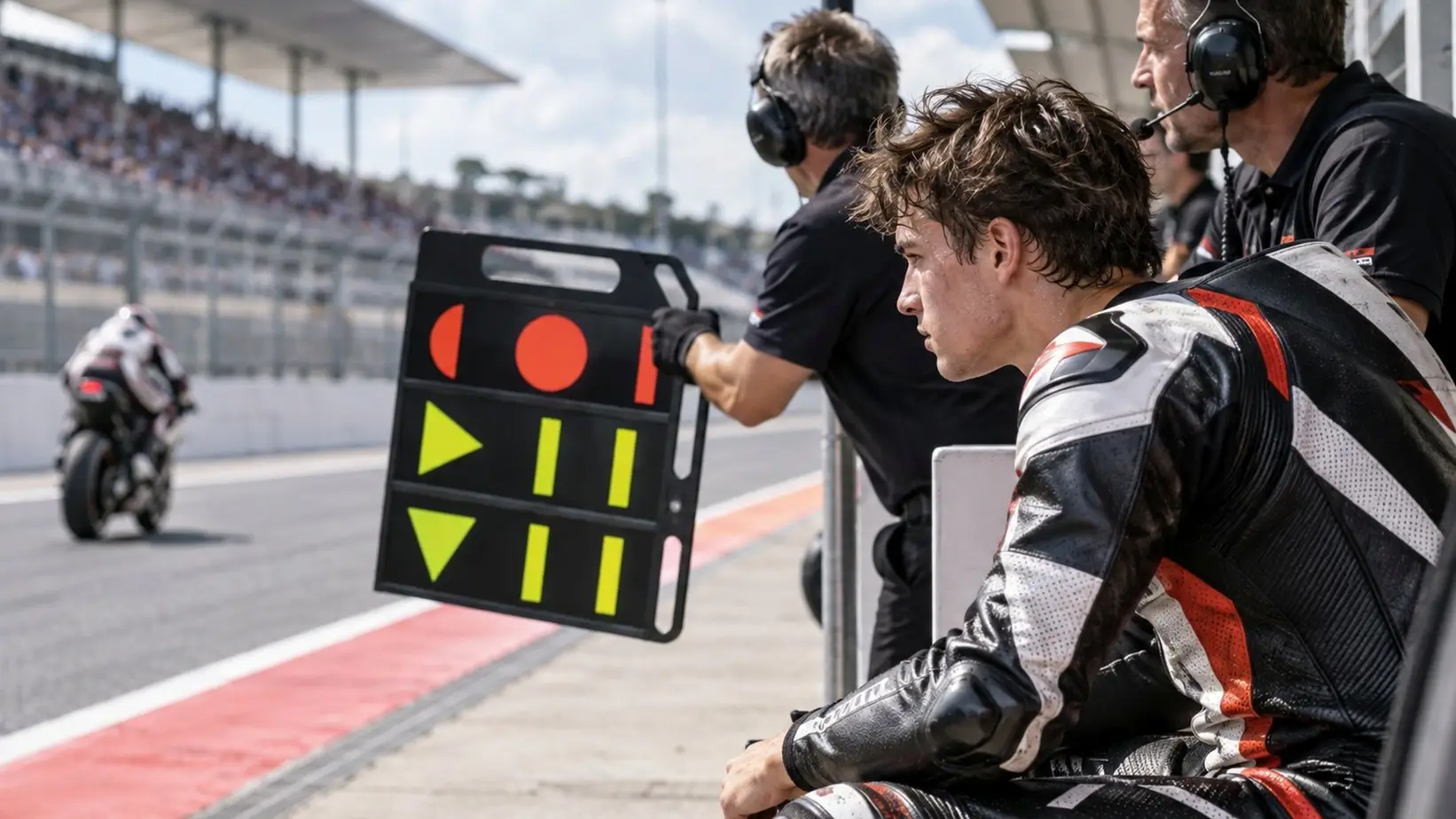
Four points swap the roles heading into Sunday: Martín must attack the leader, and Márquez can choose his moment. The significance does not end with the last point or decision. A good showing opens a new opportunity, but consistency is what confirms that the change can last. A weaker result can still be useful if it produces two or three precise tasks. Changing everything at once usually hides the real cause and makes the next check harder. That follow-up gives today’s story lasting value and links the immediate outcome to the next realistic goal.
Márquez made the most of the sprint, but the win only carries its full weight if he repeats that control in the longer race. The conclusion must therefore stay tied to the evidence currently available. The best next check uses the same control points in different conditions, so that it becomes clear what belongs to quality and what to circumstance. Repeating a good pattern against a new demand gives the assessment more weight than a single striking move. That is precisely why the final judgement should only be added to once a new comparable data point comes from the official event.