

Quartararo arrives with a mathematical opportunity to wrap up the championship, since his main rival kept his hopes alive in Japan and pushed the decision back. The confirmed date, result and line-up give a solid base, while the forecast should be kept apart from what has already happened. For the reader, the most useful thing is to see the reason, the key change and the first next test straight away. That way the story stays clear even if circumstances shift later, and the assessment can be checked on track. The next official update should therefore confirm the consequence that is now flagged as decisive.
The Moto3 group stays tight right up to the finale, and the Indonesian heat raises pressure on the front tyre during long runs in the slipstream. The wider picture shows that one striking moment is not enough to judge a whole weekend. A sustainable plan stays recognisable even when the rival responds, the pace drops or conditions change. It is therefore more useful to look at a series of linked decisions than to single out the final move that appears in the result. Reading the event this way gives the reader the basis to understand both the outcome and the choices that led to it.
The title arithmetic must not replace the race plan
The leader has to stay among the front runners, protect the exits of slow corners and use the pit board only for the most important information about the rival. The tactical value comes from the order of moves, not from the number of ideas. The rider first has to secure position and control, then attack the gap that has genuinely opened. The team sets the signal for change in advance, so that a single mistake does not trigger a chain of improvisations and pull the rider away from the core advantage. Execution is then judged by the clarity of the decision, the speed of reaction and the quality of position after the attempt.

Too much passivity drops him back into the pack, while an unnecessary attack for a single place can jeopardise a result good enough for the title. Risk management decides how long the plan can survive. A neutral outcome sometimes preserves position, energy or fuel for a better opportunity, whereas forcing things without preparation invites a counter. The balance between gain and danger shifts with time and the score, so the same decision is not equally sound at the start and at the end. The true measure of discipline will be how often danger is recognised before it turns into damage.
Indonesian heat demands tyre control
Watch the long runs on used tyres, the speed on exit, the places lost in the final sector and the stability of the front end. These figures make it possible to check the conclusion once the event is over. The final result shows the outcome, but only a comparison by period reveals where the advantage came from and whether it can be repeated. It is especially useful to separate the opening plan from decisions made under fatigue, because that is where the consistency of technique and quality of preparation become visible. Reviewing the figures in sequence will make clear whether the change was planned, temporary or accidental.
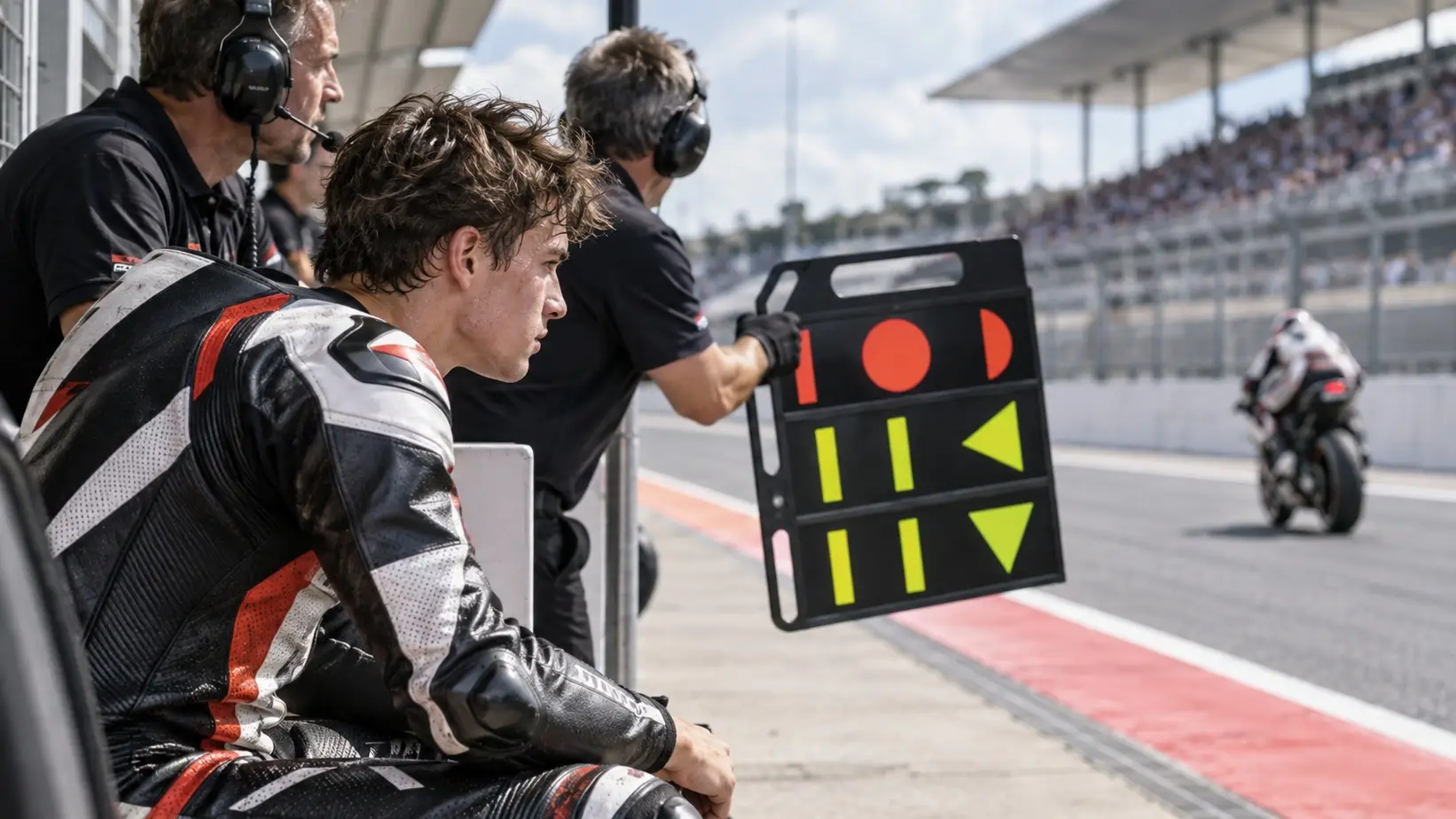
The postponed celebration should remain a fact, not an emotional burden, because Indonesia is a new race with entirely different conditions. Its significance does not end with the last point or the last decision. A good performance opens a new opportunity, but consistency is what confirms the change can last. A weaker result can still be useful if it produces two or three precise tasks. Changing everything at once usually hides the real cause and makes the next check harder. That follow-up gives today’s news lasting value and links the immediate outcome to the next realistic goal.
Controlled aggression is the right choice: keep the track clear and attack when the gain is clear, without turning a championship calculation into braking by calculator. The conclusion must therefore stay tied to the evidence available right now. The best next check uses the same control points in different conditions, so it becomes clear what belongs to quality and what to circumstance. Repeating a good pattern against a new challenge gives the assessment more weight than a single striking move. That is why the final judgement should only be added to once a new, comparable piece of data arrives from the official event.