
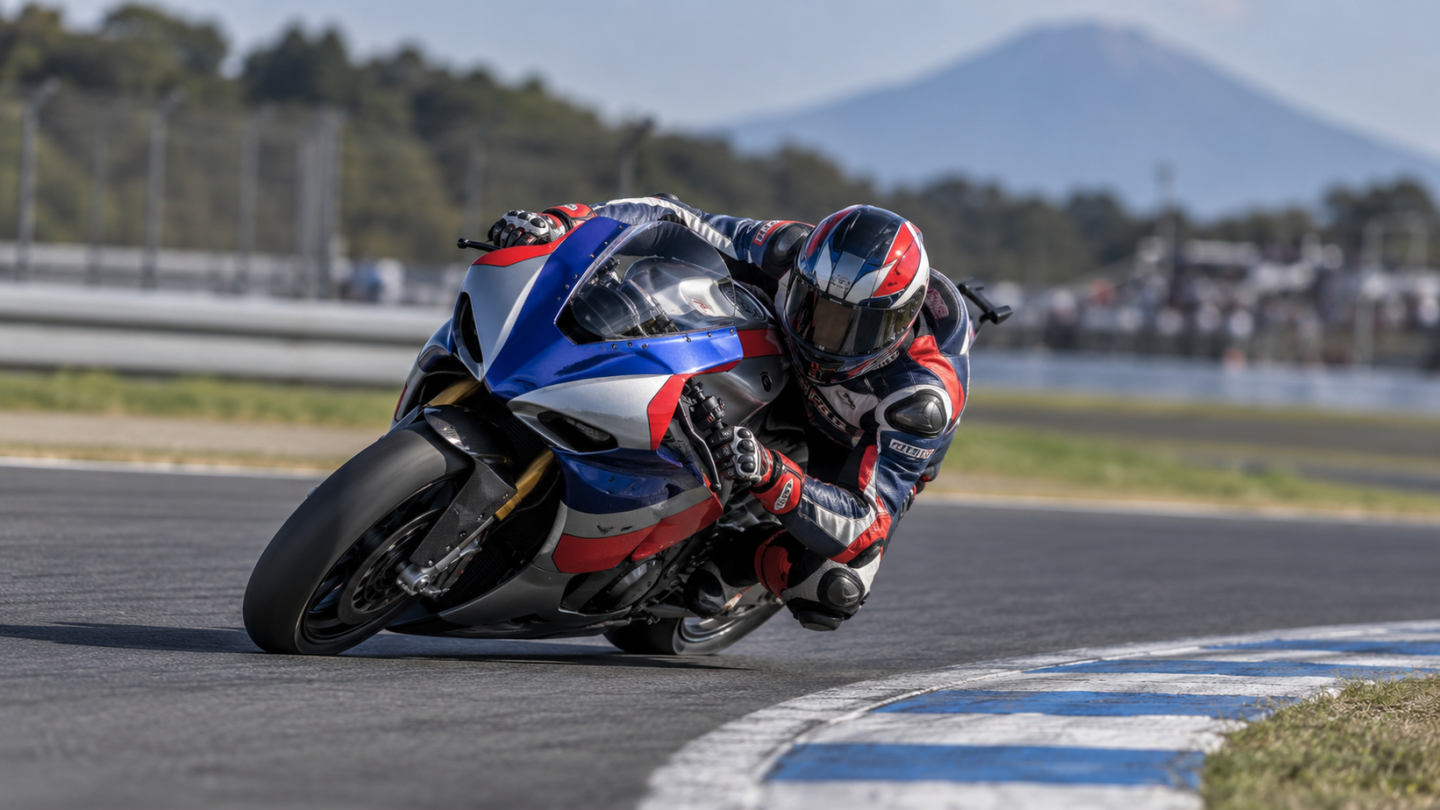
Alex Marquez topped Friday’s main practice session for the Japanese Grand Prix and set a new lap record at Motegi. The Gresini rider stopped the clock at 1:42.811, taking a tenth of a second off the previous best around the circuit.
Pedro Acosta sat only 0.076 seconds adrift on his KTM, while Marc Marquez was third with 1:42.911. The top three finished within exactly one tenth, with Marco Bezzecchi and Enea Bastianini completing the top five. A margin that tight points to qualifying, where a clean lap will matter most.
Alex had already been fourth in the morning session, so his result was no fluke. He lifted his pace on the final attack of the afternoon and went straight through to the second part of qualifying. Acosta confirmed KTM’s competitiveness, while the Ducati group at the front stayed tightly bunched.
One tenth separates three different approaches
Motegi rewards braking stability because of its many slow corners after long straights. Alex gained time by slowing the bike without lifting the rear wheel much and turning it early towards the exit. That let him reopen the throttle at a shallower lean angle.
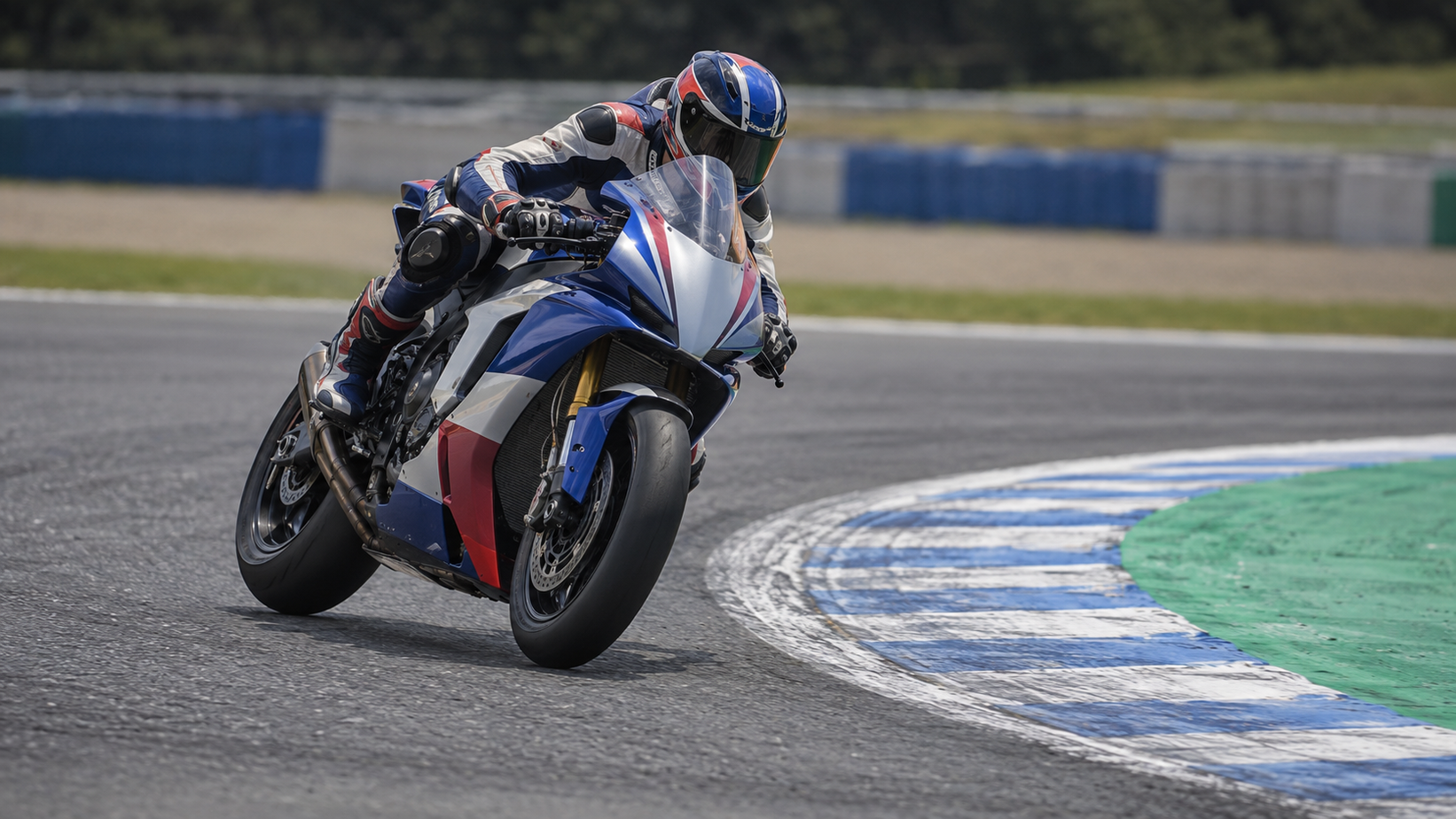
Acosta’s deficit of less than eight thousandths shows KTM has a sound package for this track. His strength is usually late braking, but pushing too hard can overheat the front tyre. The team will look for the limit that preserves single-lap speed while leaving enough stability for a longer sprint stint.
Marc Marquez finished within the first tenth without taking top spot, which confirms the current champion’s pace. His race rhythm is often stronger than his Friday position suggests, so rivals will not look at the timesheet alone. They will pay particular attention to his run of laps on used tyres, where real tempo control shows.
The record brings an edge, but does not settle the weekend
A direct passage into Q2 gives Alex a calmer Saturday schedule. He does not need to spend an extra set of tyres in the first part of qualifying and can devote more time to set-up. Still, a change in temperature or wind can completely alter the feel at the front, so the record is no guarantee of pole position.
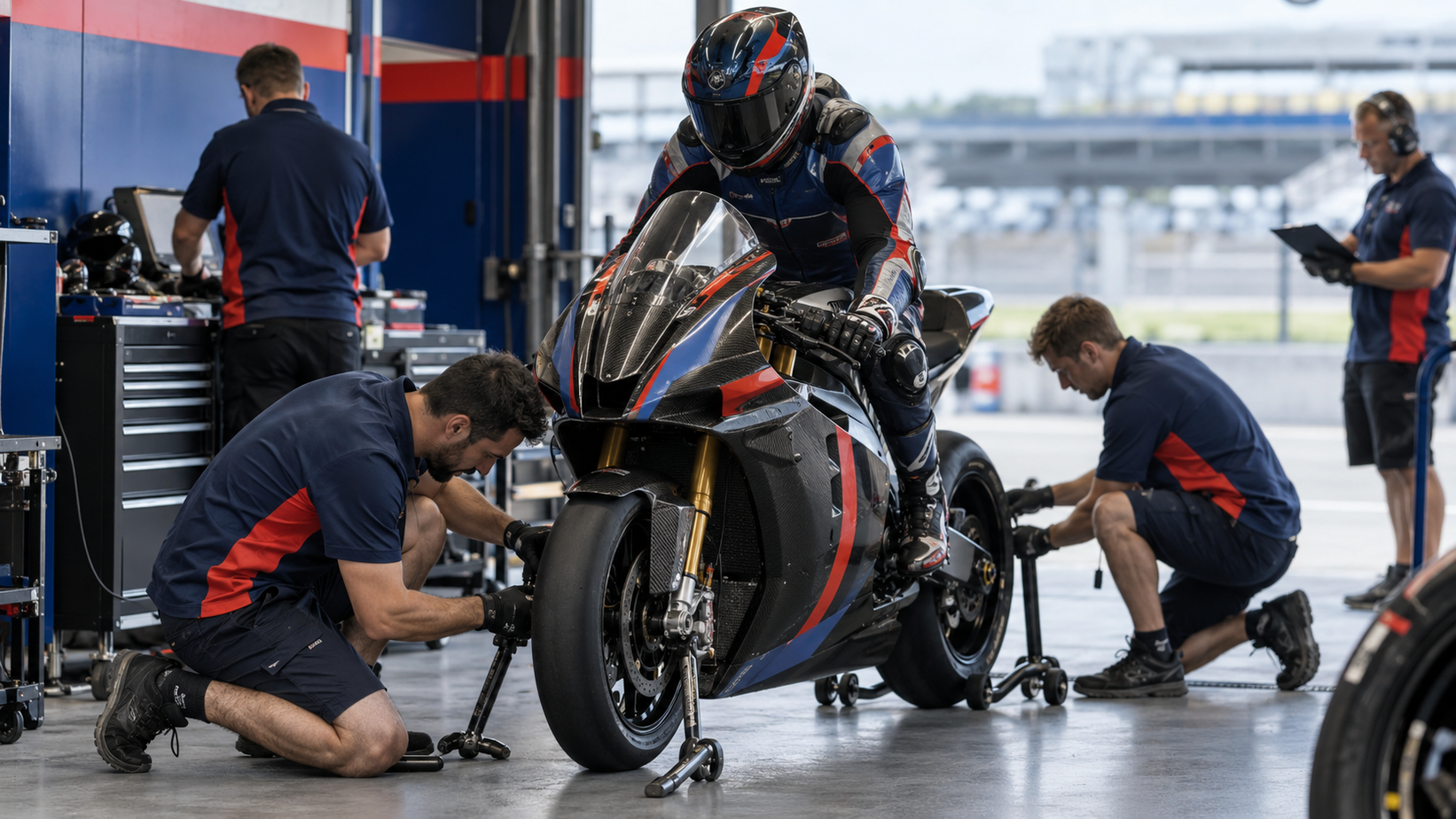
Local attention will also turn to Ai Ogura, who finished outside the top ten and must go through Q1. Traffic in that session raises the risk, as several fast riders chase slipstreams and clear track. A single yellow flag can wipe out the best attempt and reshuffle the grid.
Friday gave Alex the strongest possible starting point: speed, a record and confirmation across two different sessions. His next task is to repeat that rhythm when the pressure rises. If he keeps his braking smooth and his rear tyre under control, he has a realistic chance of fighting for both pole and the win.
Telemetry will show whether the record came from a sustainable set-up or a brief brush with the limit. Engineers will compare brake pressure, exit wheelspin and rear tyre temperature across several laps. If the figures hold steady, Alex can keep the base of the bike as it is, since a major change overnight would carry more risk than reward, particularly at a track where confidence under braking decides the result. The next outing or the official result will show how well this conclusion holds under fresh pressure. The numbers should be read together with the quality of the opposition, the conditions and the decisions taken at key moments. It is important to separate a single result from the longer trend: one success confirms good preparation, but only repetition shows stability. The staff should therefore track a few clear indicators, compare them with the previous outing and change only what has proven to be a weak point. That approach protects confidence while leaving room for progress. The reaction of direct rivals will also matter, because preparation changes as soon as an opponent recognises a successful pattern. For that reason the analysis should also cover situations where the original plan did not work. The best performance comes when a team or athlete can hold on to core strength and make a small, timely adjustment during the event.