
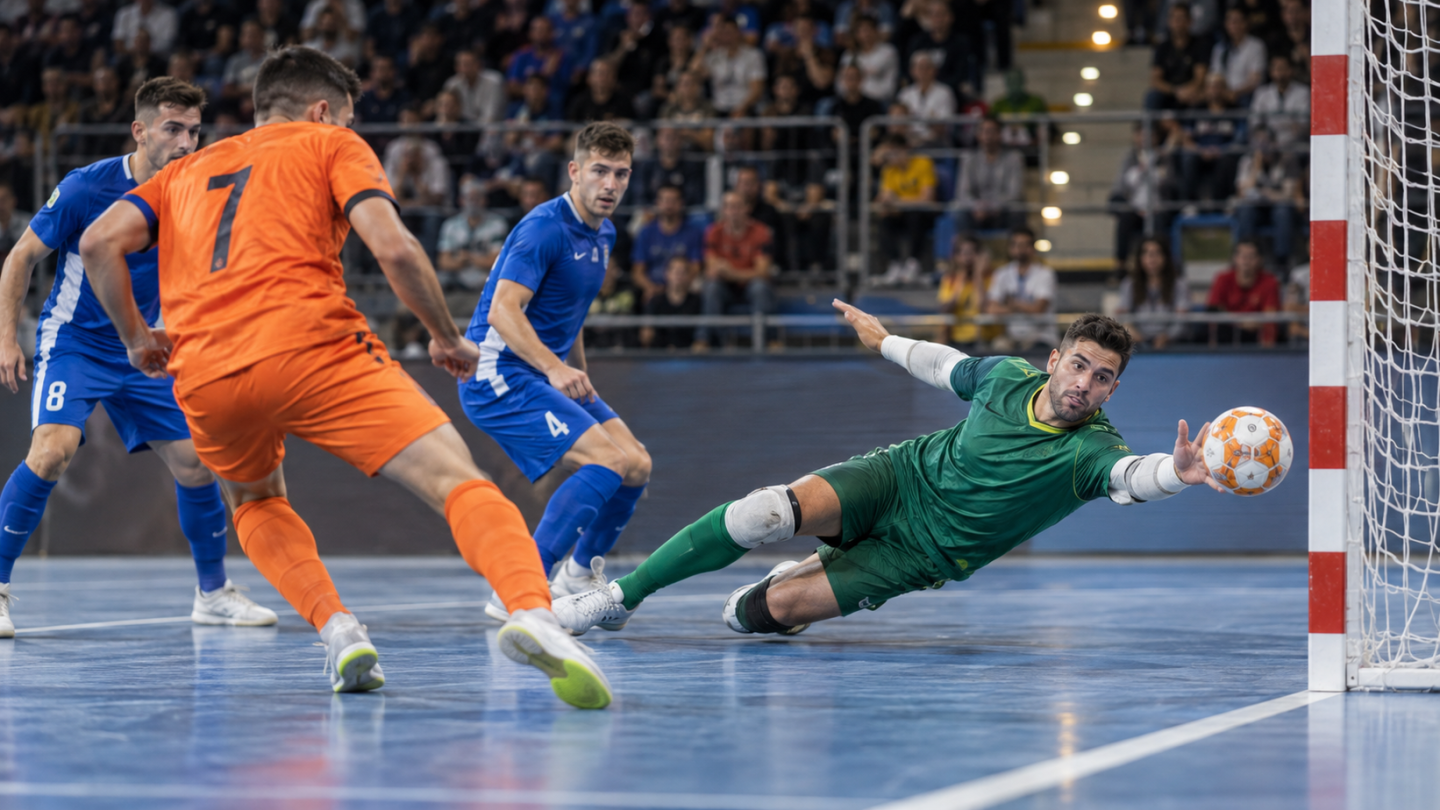
Burela, Mostoles and Mataro enter round three of Spain’s Second Futsal Division level on six points, each with a chance to take sole possession of the top spot. Pinatar also have six, but they are resting this week, so they know they cannot actively defend their position against three direct rivals.
Burela travel to Gasifred on Ibiza, Mataro play away to Alzira, while Mostoles host Union Afrika Seuti on Sunday. The fixtures set different tasks: Burela must control the journey and their energy, Mataro face the toughest test of their form so far, and Mostoles carry the burden of being the home favourites.
The third round opens with Avanza Haen and Barselona Atletik, two sides still without a point. Jerez and ElPozo Ciudad de Murcia meet in a clash between newly promoted members of the league, while Entrerios and Melistar are looking for a change after starting without a single point. The early table could therefore shift considerably in one weekend.
Each contender faces a different problem
Burela must avoid a situation in which Gasifred turn their home floor into a string of short, chaotic possessions. The best answer is to hold the ball for longer and patiently move the defence before attempting to reach the pivot. If the visitors speed up too early, the hosts can use the transition and the energy of their crowd.
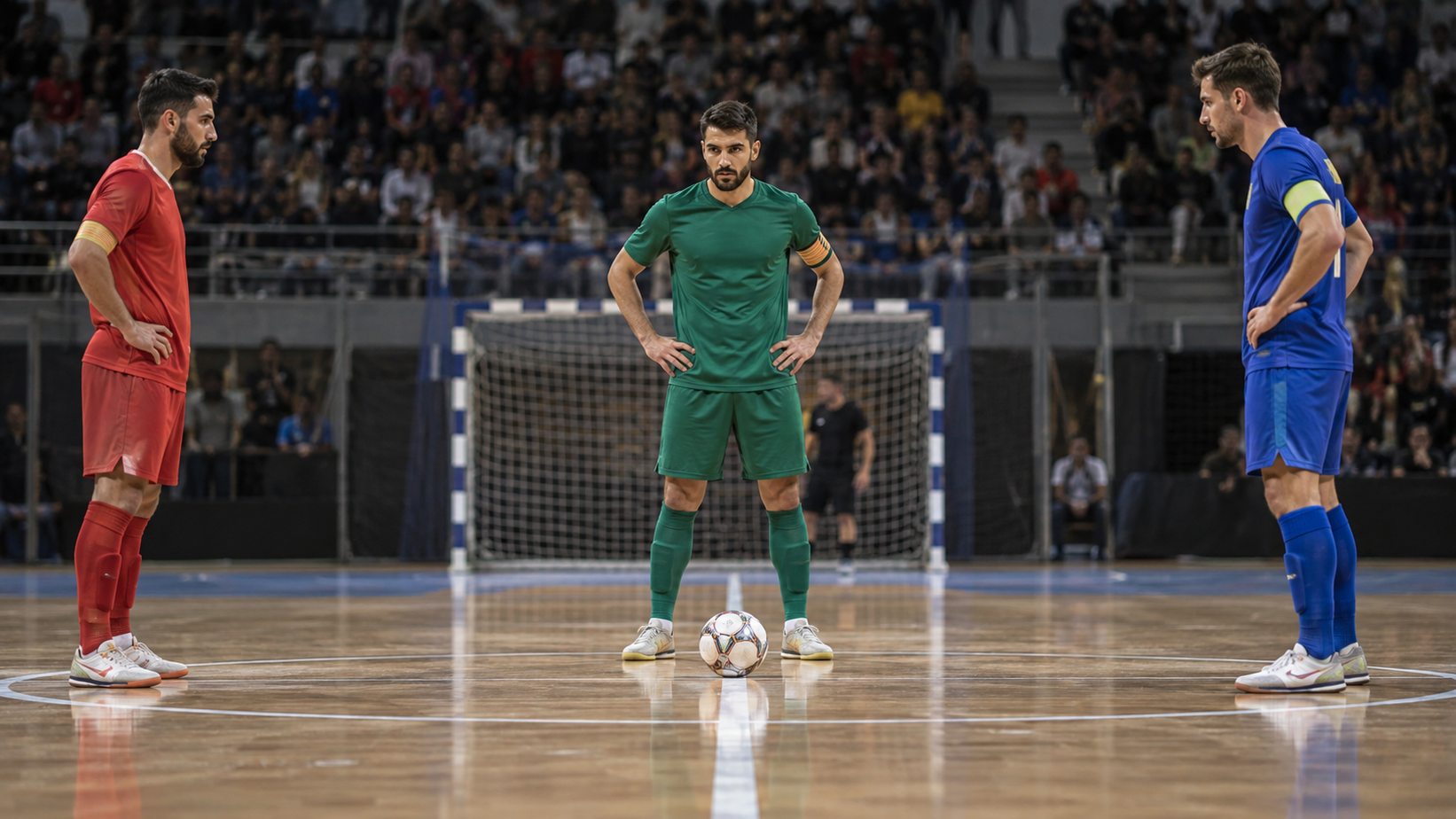
Mataro go into the game with good momentum, but Alzira represent a more serious test of structure. The hosts are able to press the first pass and close the middle, so the visitors will need a safer exit down the flank. One player behind the ball must stay ready to protect against counterattacks after a lost duel.
On paper, Mostoles have an easier task, but their status as hosts often creates unnecessary rush. Seuti can defend deep and wait for a mistake, which means the leader must change the tempo without forcing a shot from a poor angle. Patient rotation and a timely entry by a second pivot can open up the block.
An early lead is only worth something if the performance is sustainable
Pinatar’s free weekend gives the coaching staff more time for analysis, but it also takes away match rhythm. The club can use the break to recover and correct lapses, while keeping an eye on three rivals. The results will show whether six points remain enough for first place or whether a new leader emerges straight away.
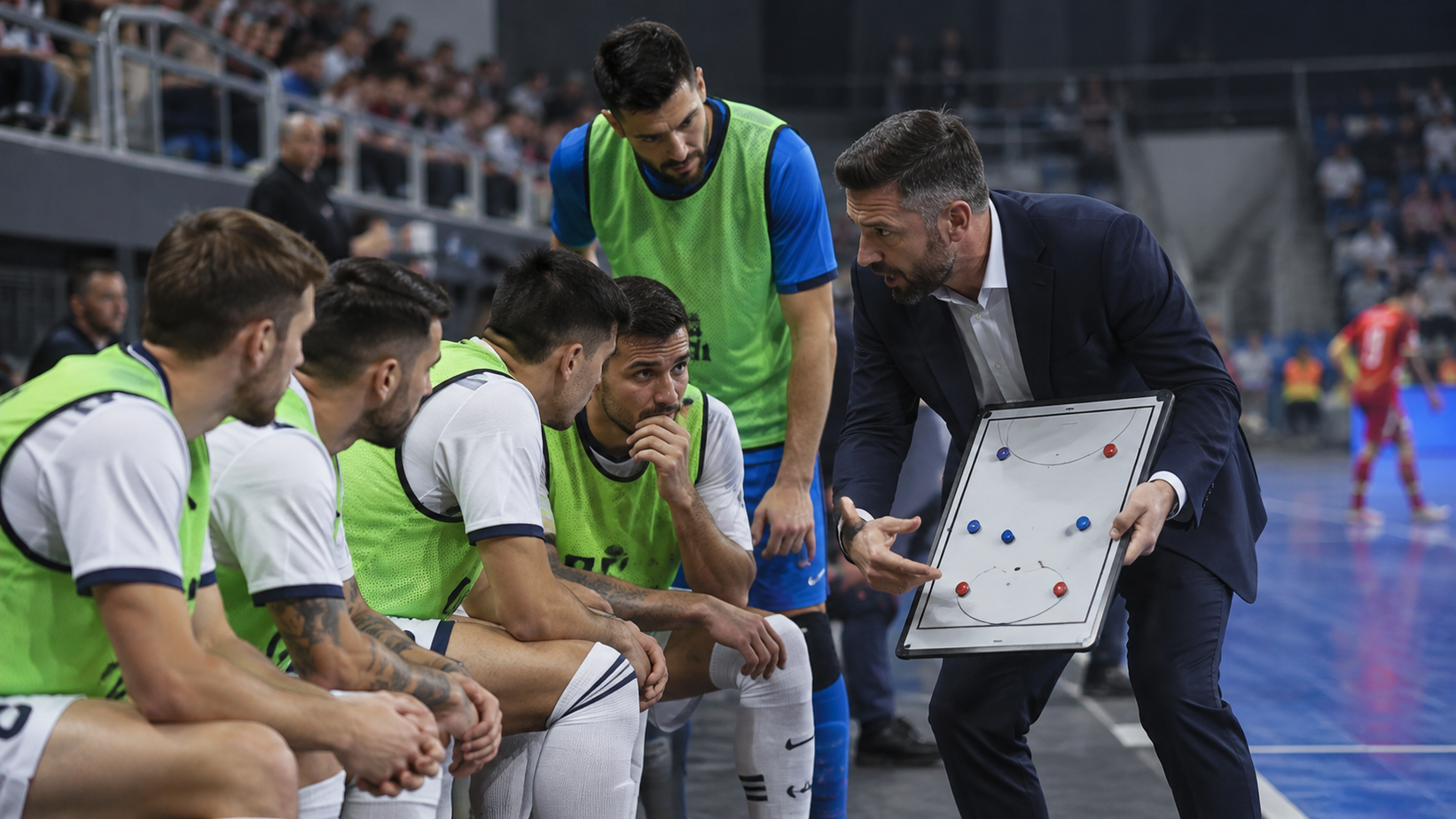
At the bottom of the table, the fixtures carry almost equal weight. Haen, Barselona Atletik, Entrerios and Melistar all want their first point before the gap grows. Early in the season there is no need for panic, but each new defeat increases the pressure and leaves the coach less room to make planned changes calmly.
The third round is therefore about more than the current summit. It will show which team can adapt its style to a different opponent and keep its defensive balance when the scoreboard demands risk. The table after the weekend will be a first useful sample, although true consistency will only become visible after a longer run of matches.
Penalty kicks must also be part of the preparation, since the margin in a semi-final can remain minimal right to the end. Coaches should decide in advance on the takers, the order and any goalkeeper substitution if they have a specialist in saves. Such a decision must not be made only after the final whistle. A calm routine eases the pressure on young players and helps them keep their technical skill even when a single kick decides a medal. The next appearance or the official result will show how far this conclusion holds under new pressure. The figures should be read together with the quality of the opponent, the conditions and the decisions taken at key moments. It is important to separate the current result from the long-term trend: one success confirms good preparation, but only repetition shows stability. The coaching staff should therefore track a few clear indicators, compare them with the previous outing and change only what has proven to be a weak point. That approach protects confidence and still leaves room for progress. The reaction of direct rivals will also matter, because a plan changes as soon as an opponent recognises a successful pattern. For that reason the analysis should include situations in which the original plan did not work. The best performance comes when a team or athlete can hold on to its core strength while making a small, well-timed adjustment during the event.