
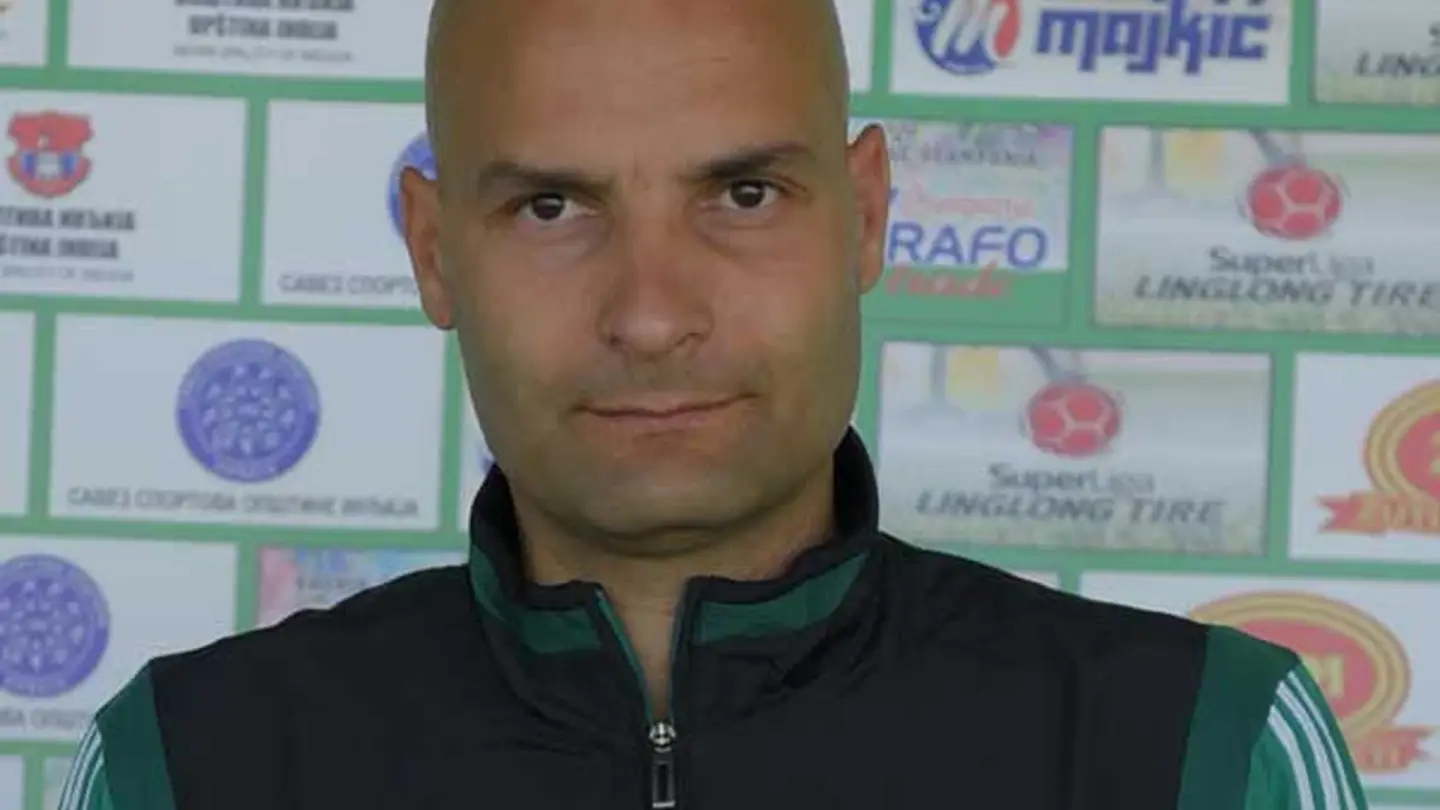
Futsal demands a different kind of concentration
A smaller pitch and rapid changes of possession leave referees very little time to decide. A contact that looks harmless in the full-size game can, in futsal, instantly redirect an attack or open a clear chance in front of goal.
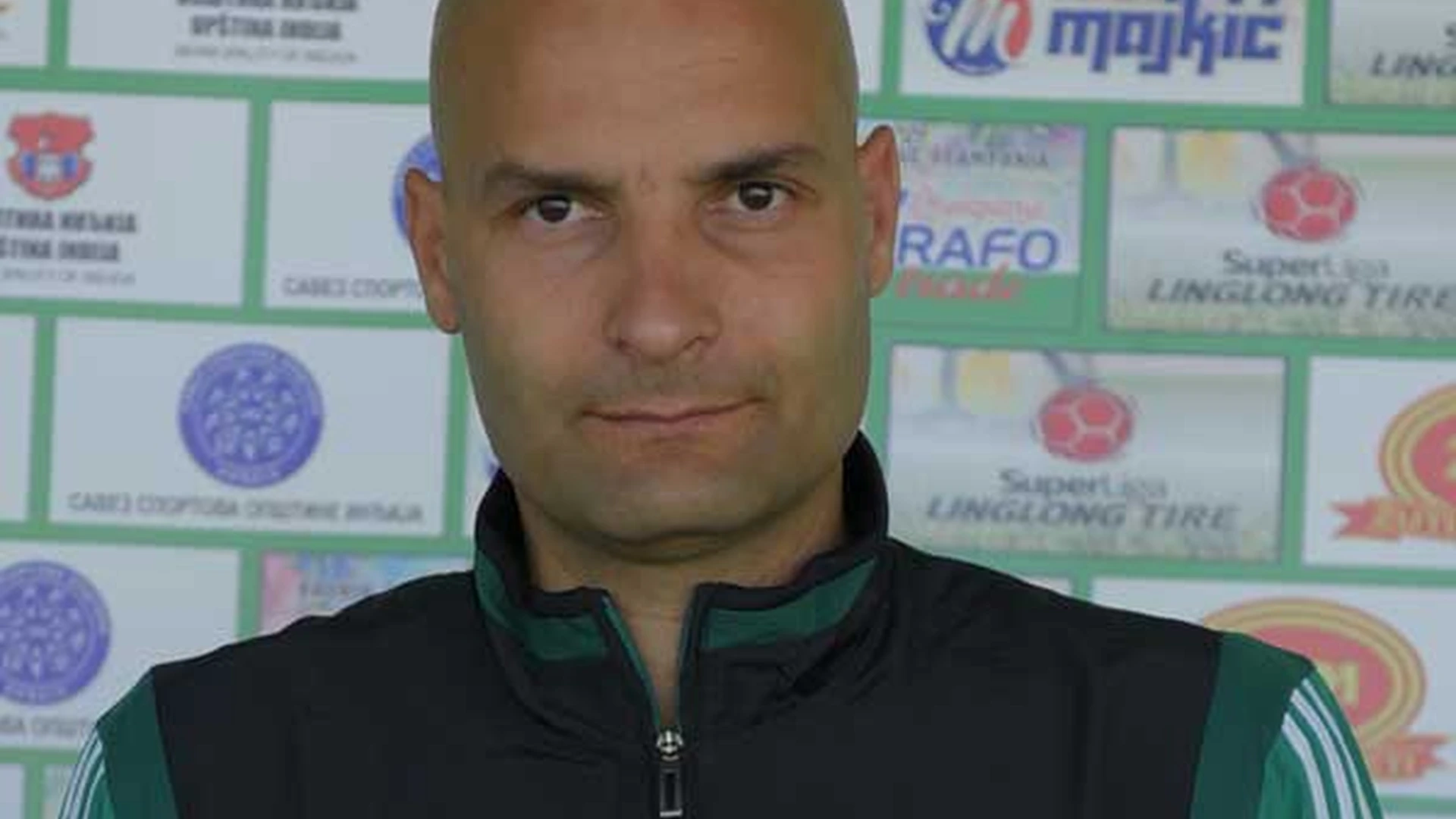
The refereeing team has to move in step and keep the right viewing angle. One official follows the duel for the ball, while the other watches the space behind it, the bench and any fouls that occur before the final pass.
The international appointment comes at a key stage of qualifying
The match between Finland and North Macedonia is played on 10 November in Helsinki. The hosts want to use their speed and pressure in front of their own supporters, while the visitors will look for discipline and a chance from a stoppage or on the counter.
A contest of this kind can produce many duels and accumulated fouls. Once a team passes a certain number of team fouls, each further error carries serious consequences, so the referees must set a clear standard from the outset.
Communication matters as much as any single decision
In a fast sport, it is not enough for one official to see the situation. The refereeing trio must exchange information without a long interruption and resume play immediately when conditions allow. An unclear signal can spark needless argument and change the rhythm of the match.
Flying substitutions, goalkeepers playing outside the penalty area and situations in which a team brings an extra outfield player in place of the keeper present a particular challenge. Each change increases the number of movements that must be tracked at the same moment.
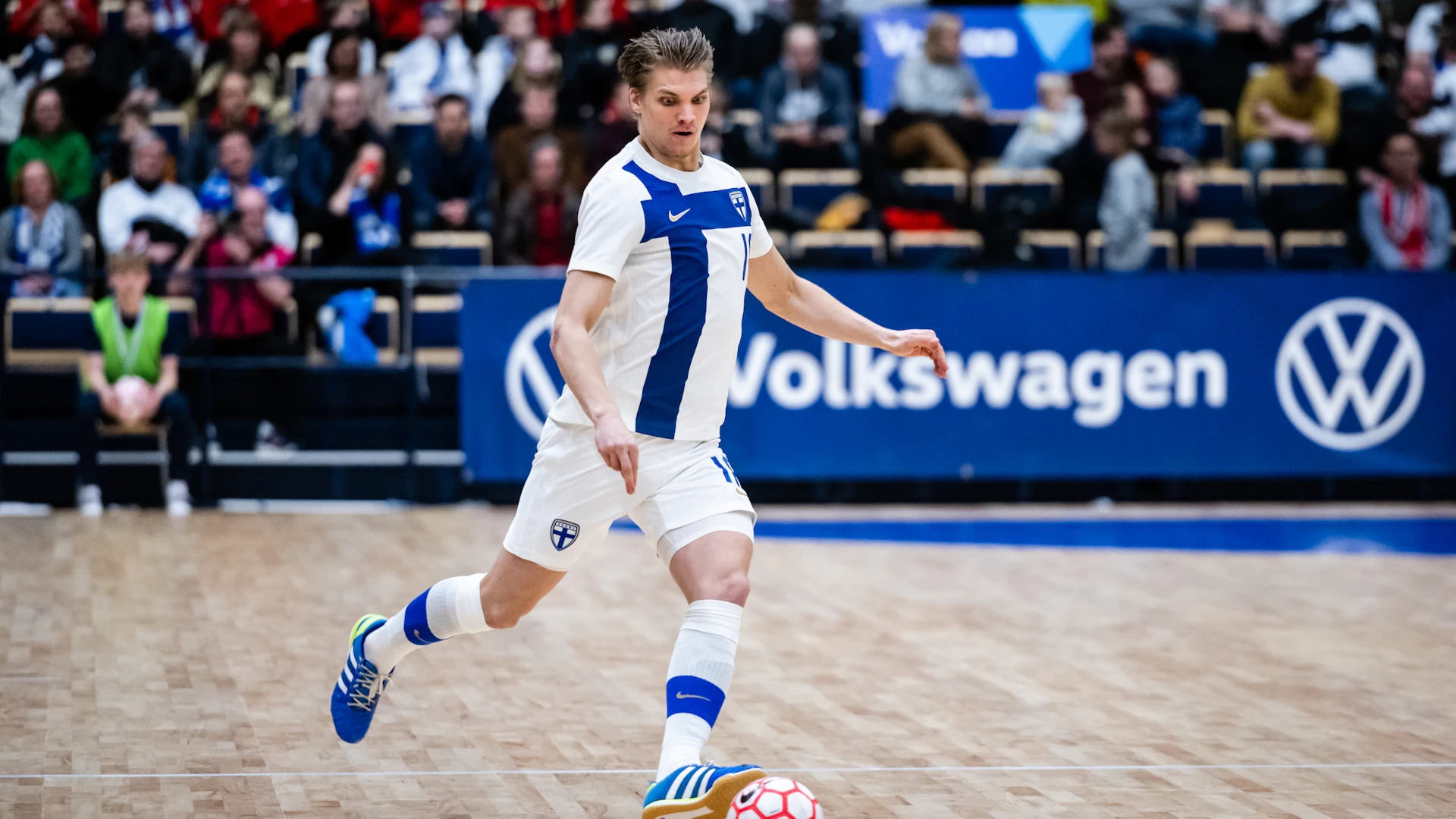
The appointment confirms the place of Serbian referees in European futsal
FIFA and UEFA entrust matches of this kind to crews that have shown a consistent standard and good physical condition. For the Serbian referees, it is an opportunity to confirm their quality before the next, even more demanding international assignments.
The best performance will be one after which people talk about the football, not the referees. To achieve that, the same standard is needed from the first minute to the last, calm communication and good positioning before a duel even begins.
Time control is also important. Futsal has many restarts, timeouts and substitutions, so the scoring table and the referees must coordinate every signal. Accuracy in these small procedures prevents misunderstanding when the result becomes close.
The same rule applies to advantage: play can continue only when a team is genuinely keeping a useful situation. If the advantage disappears immediately after contact, a quick decision on the foul preserves consistency of standards.