
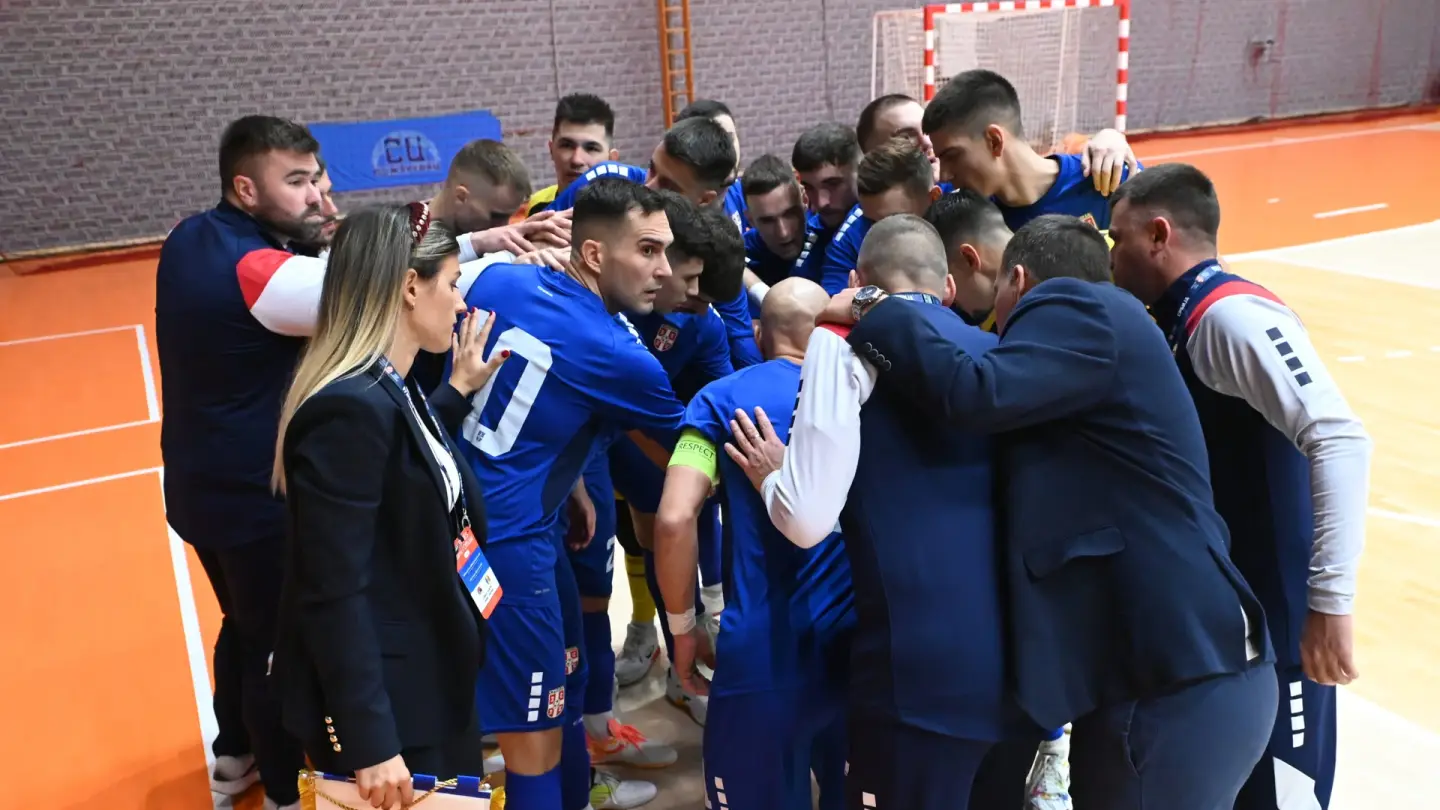
The second match demands smart use of energy
Serbia played Kuwait two days earlier, so the same players cannot carry an equal load in both games. Futsal involves frequent substitutions, but the short, intense spells drain energy quickly. Gavrilović needs to find line-ups that keep the pressure on without a big drop in the second half.
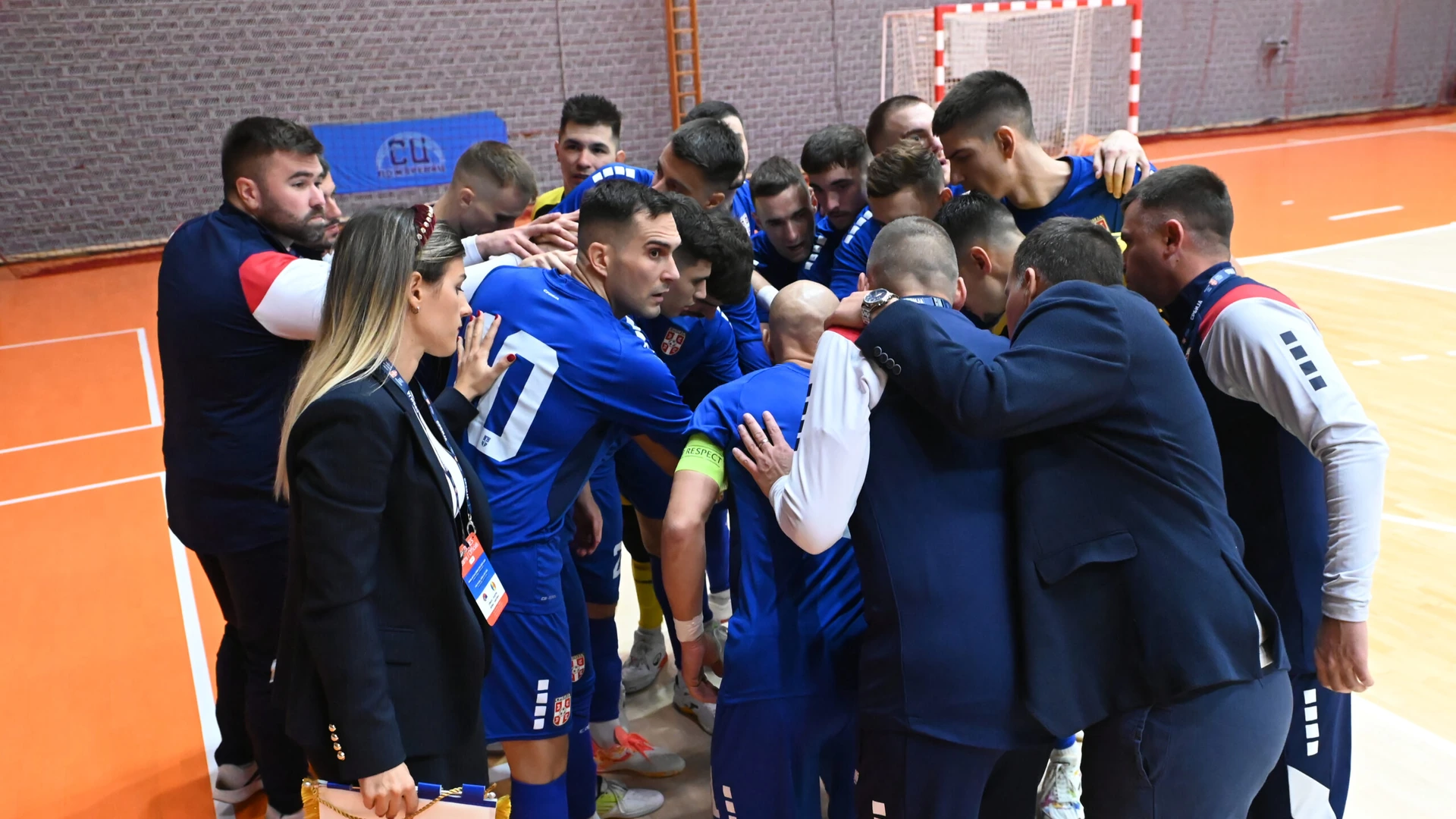
A friendly is a chance to try several combinations, but change should not be an aim in itself. Each four needs a clear structure: who goes out to win the ball, who covers the middle and who stays ready for a pass behind the opponent’s first line.
Saudi Arabia brings a different rhythm
The match is scheduled for 11 November in Budapest. Serbia enter this cycle after a win over Andorra and a draw in the Netherlands at the start of the World Cup qualifiers. The results are good, but they also showed how important it is to keep control when an opponent speeds up the game.
Saudi Arabia may look for quick changes of position and an early strike. Serbia must recognise when it pays to press the goalkeeper and when it is better to close the middle. Uncontrolled pressing leaves space behind the first player and turns one ball into a two-against-one situation.
Playing with a goalkeeper advantage demands precise decisions
In the closing stages of a close match, both teams can use an extra outfield player in place of the goalkeeper. Serbia must know in advance where the safe back pass is and who covers the empty net. One poor judgement at that stage often gives away a goal with no defence.
The same principle applies when the opponent has the extra man. The defence should not chase the ball but shift the block and close the line towards the far post. Patience without passivity can force the rival into a shot from a bad angle or a risky cross-pass.
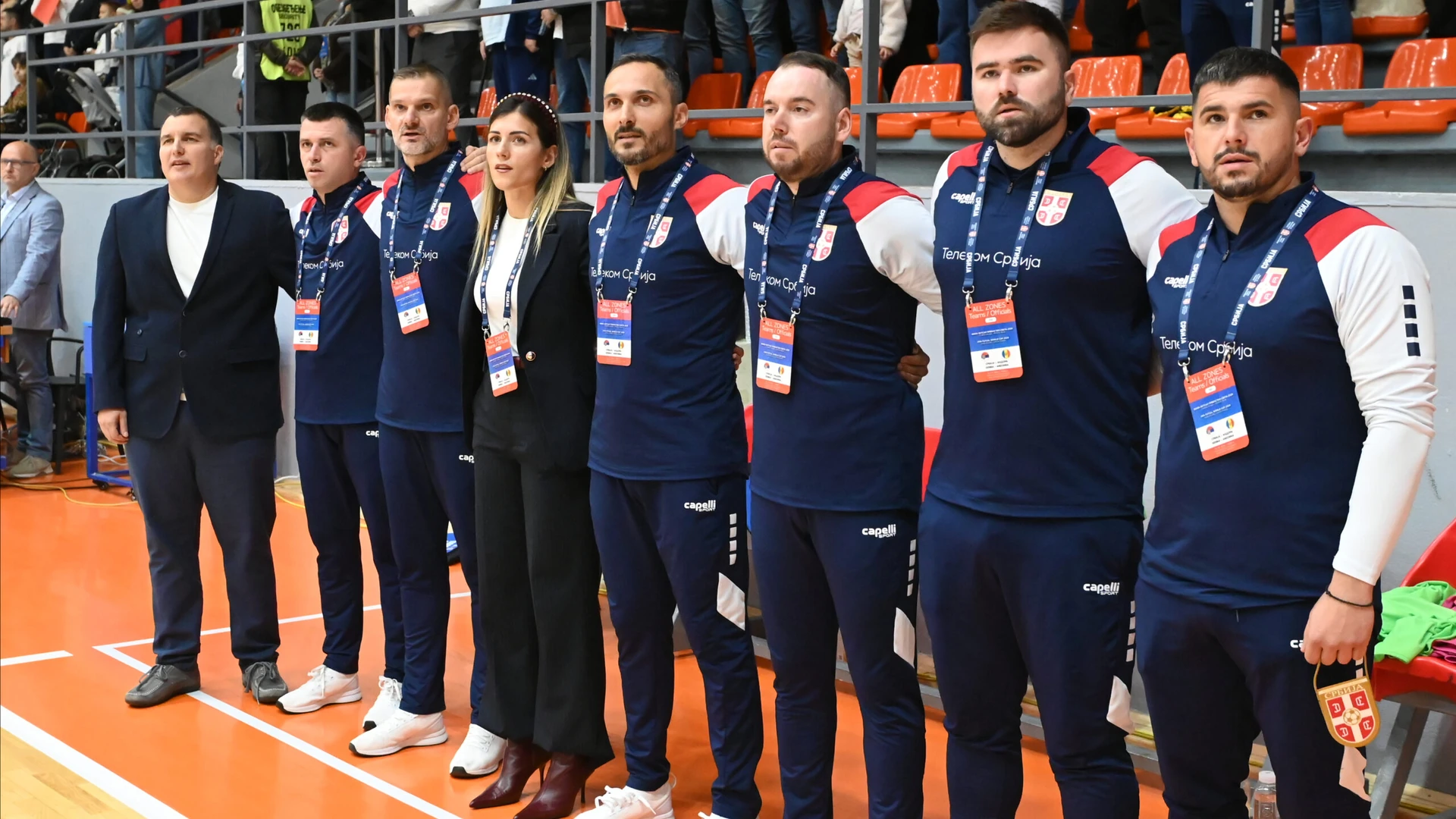
The test is worth it only if it gives clear answers
The squad lists 17 players from clubs in Serbia and abroad. The breadth lets the coach judge who can sustain the tempo, who offers security in defence and who brings a different solution in attack. Minutes should be linked to a role, not simply shared out evenly.
Above all, after Budapest Serbia should have a sharper picture of its rotation. The friendly result is useful, but the data on reaction after losing the ball, the quality of set pieces and the ability to repeat an agreed move while tired are worth even more.