
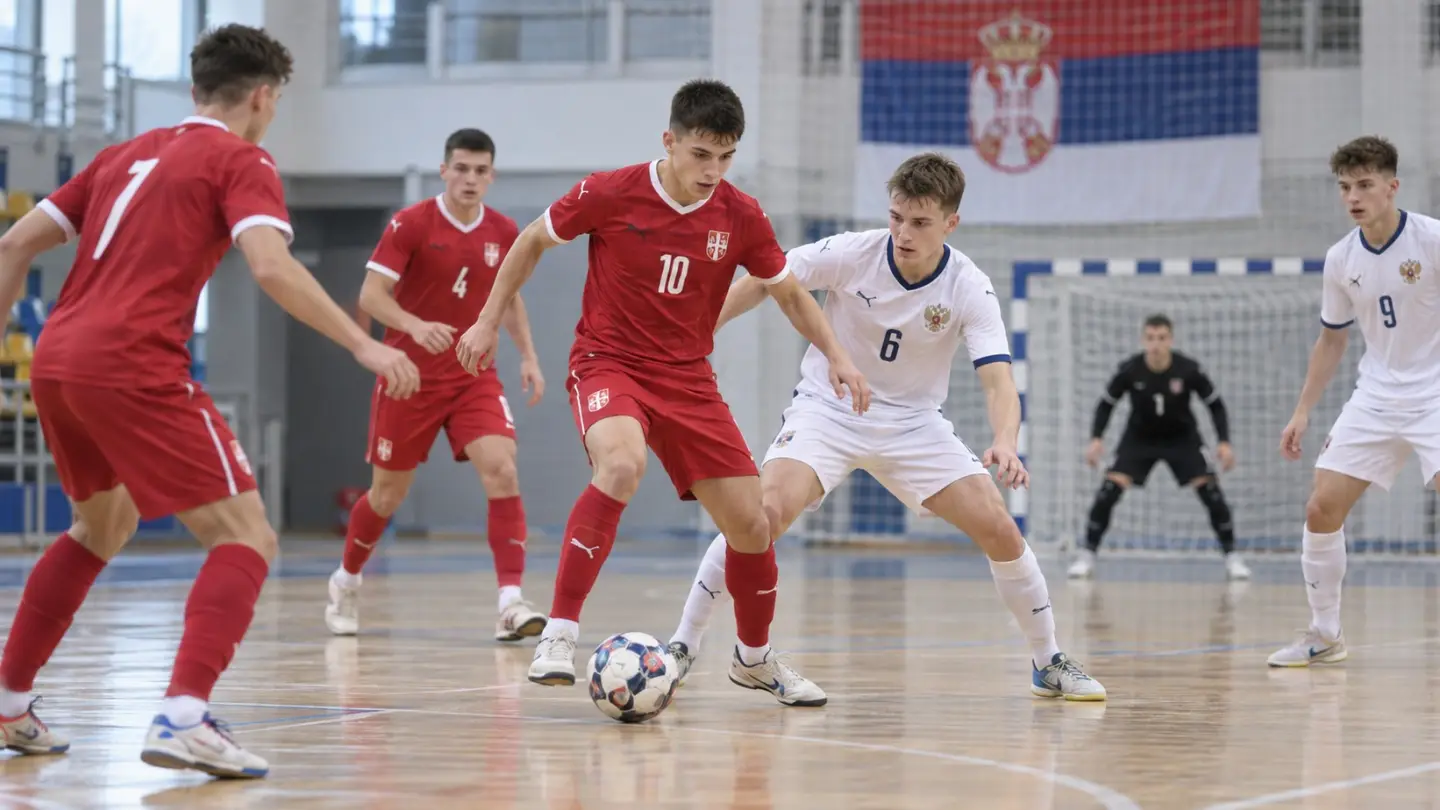
Serbia’s youth futsal national team will face Russia on 17 and 19 October at the Vlada Divac Hall in Vrnjačka Banja. Both matches kick off at 18:00, and coach Goran Ivančić has named a squad of 15 players. The key answer comes first: what happened, when, and why it matters. Only then can the practical consequence be weighed, while keeping a clear line between the data available and what is assumed. That approach protects accuracy and lets the story be updated later without changing its core meaning. The next official update should therefore confirm the consequence that has now been flagged as central.
The squad includes three goalkeepers and players from Partizan, Red Star Belgrade, Vojvodina, Jagodina, PP192, Župa, Olimp, Novi Pazar and Bagljaš. Such a spread gives the coaching staff a view of several different school and club habits. The difference shows most clearly in process: who imposes the terms, who has to give ground first, and how quickly a correction arrives. Two similar scores can come from very different quality of play. The analysis therefore has to look for a cause that can be reproduced, rather than an explanation built only on the final move. That reading gives the reader a basis to understand both the result and the decisions that led to it.
Two matches allow a precise correction
The first game should establish the quality of the exit from pressing, the defending of set pieces and the distribution of minutes. The return match two days later allows the same situation to recur with one clear adjustment, which is more useful than an entirely new plan. The plan must be clear enough to carry out under pressure. The first option uses the biggest advantage, and the reserve option must answer the rival’s most likely reaction. Adding new tasks without a clear reason slows the decision; a good adjustment changes only the part that is not working and keeps what already produces results. Execution is then judged by the clarity of the decision, the speed of the reaction and the quality of position after each attempt.
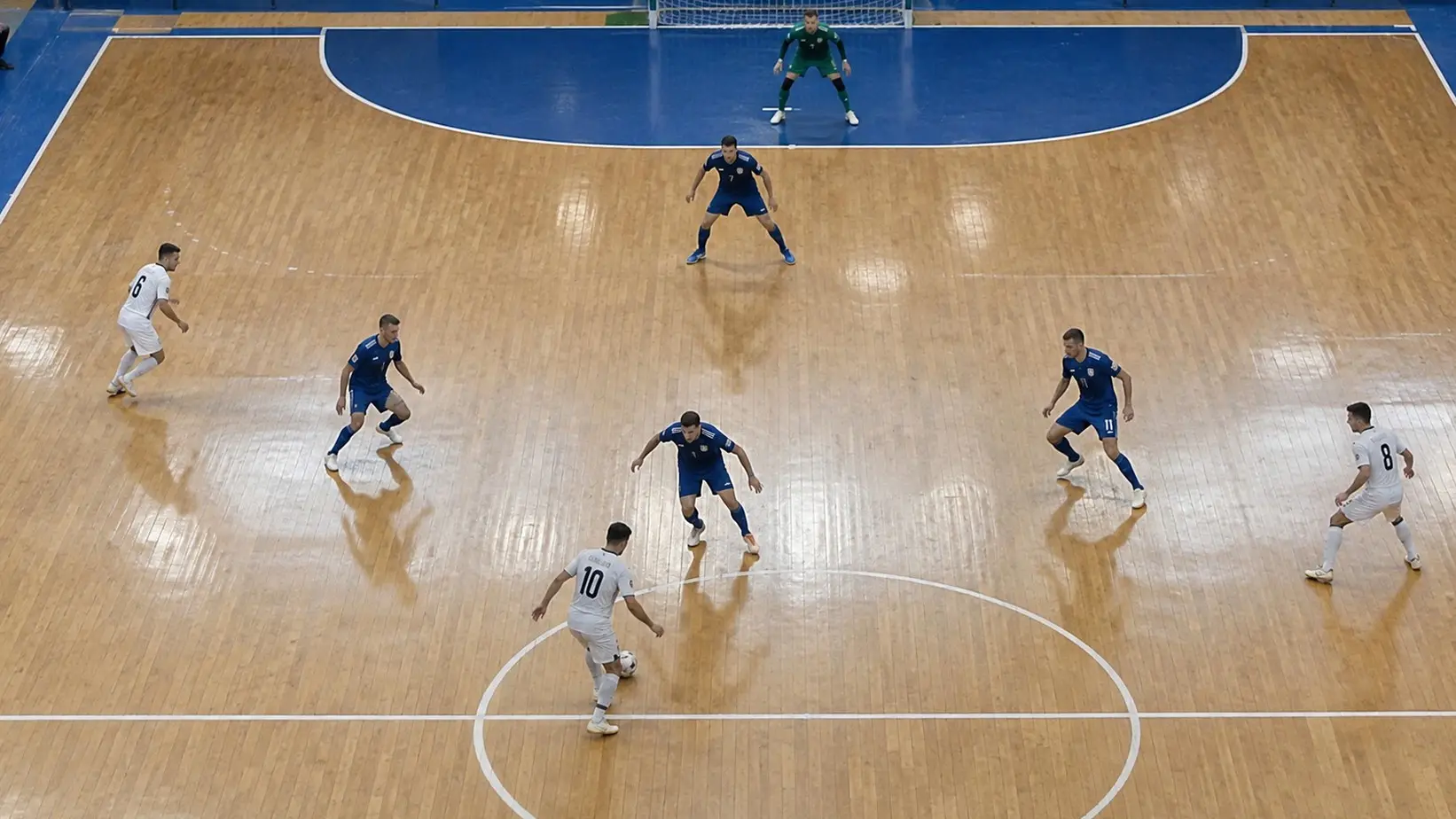
A youth side can easily mistake speed for haste. If the last player receives the ball without an open angle, a loss instantly becomes a clean transition, so width and cover must come before the vertical pass. Risk management decides how long a plan can survive. A neutral outcome sometimes preserves position, energy or possession for a better chance, while forcing the issue without preparation opens the door to a counter. The balance between gain and danger shifts with time and score, so the same decision is not equally good at the start and in the closing stages. The real measure of discipline will be how often danger is recognised before it turns into damage.
The squad links several centres of domestic futsal
The useful figures to track are successful exits from the first pressing line, lost balls in the middle zone, shots after set pieces and the time taken to get back behind the ball. Comparing the two matches will show whether the players have absorbed the correction. These data make it possible to test the conclusion after the event. The final score shows the outcome, but only a period-by-period comparison reveals where the advantage was built and whether it can be repeated. It is especially helpful to separate the opening plan from decisions made while tired, because that is where the stability of technique and the quality of preparation become visible. If the values are read in sequence, it will be clear whether the change was planned, temporary or accidental.
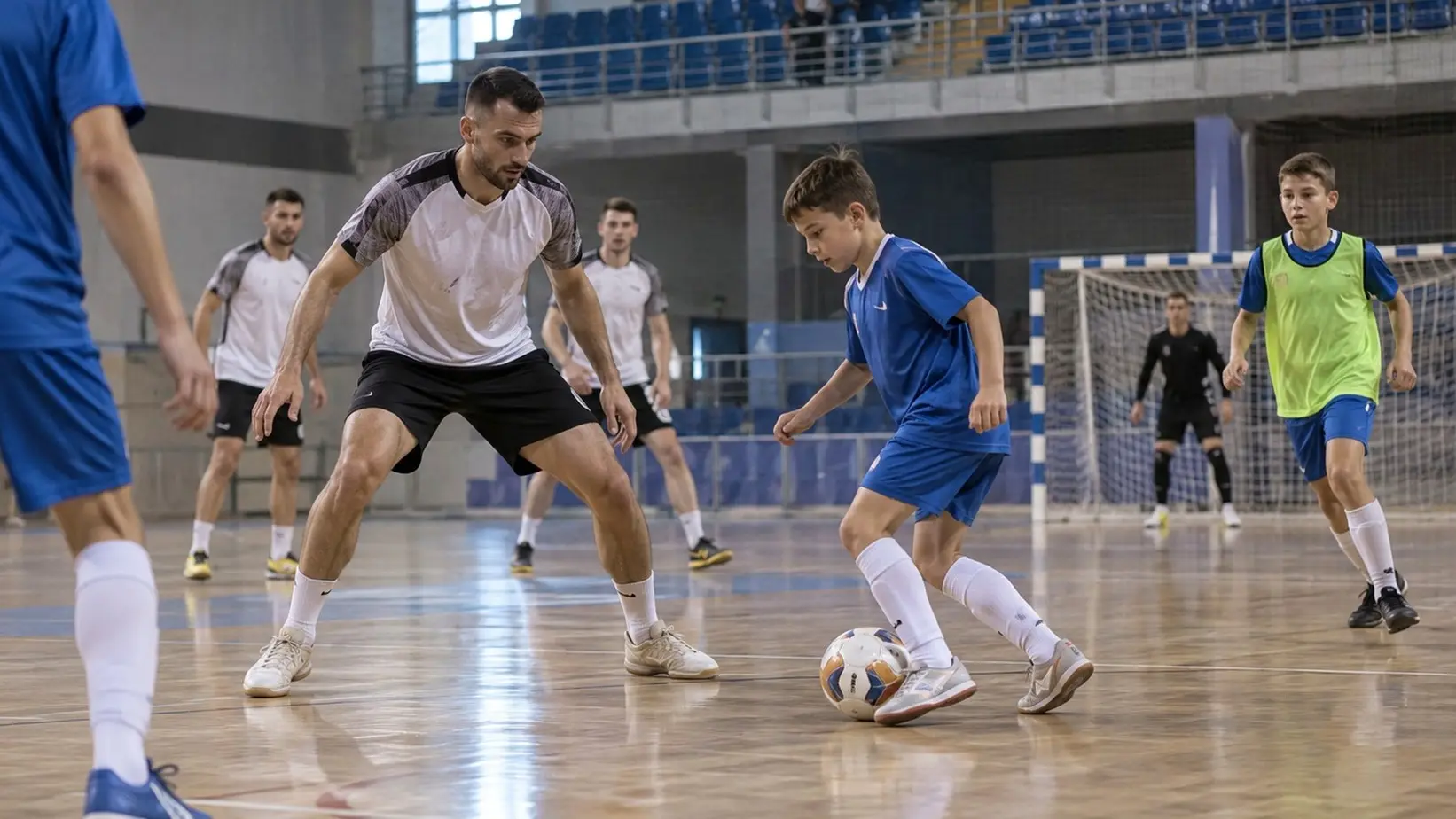
Two strong tests give the coach a more realistic picture than internal training does, and they help roles be allocated before the competitive cycle. Clubs also receive feedback on their players at international tempo. The significance does not end with the last point or decision. A good performance opens a new opportunity, but consistency is what confirms that the change is sustainable. A weaker result can still be useful if it yields two or three precise tasks. Changing everything at once usually hides the real cause and makes the next check harder. That follow-up gives today’s story long-term value and links the immediate outcome to the next realistic goal.
The result matters, but the greatest value of this get-together will be the progress made between 17 and 19 October. Serbia needs to show it can spot a problem quickly and repeat a better solution in the return match. The conclusion must therefore stay tied to the evidence currently available. The best next check will use the same control points in different conditions, so it becomes clear what belongs to quality and what to circumstance. Repeating a good pattern against a new opponent carries more weight in an assessment than one eye-catching move. For that reason, the final judgement should only be updated once a new, comparable data point comes from the official event.