
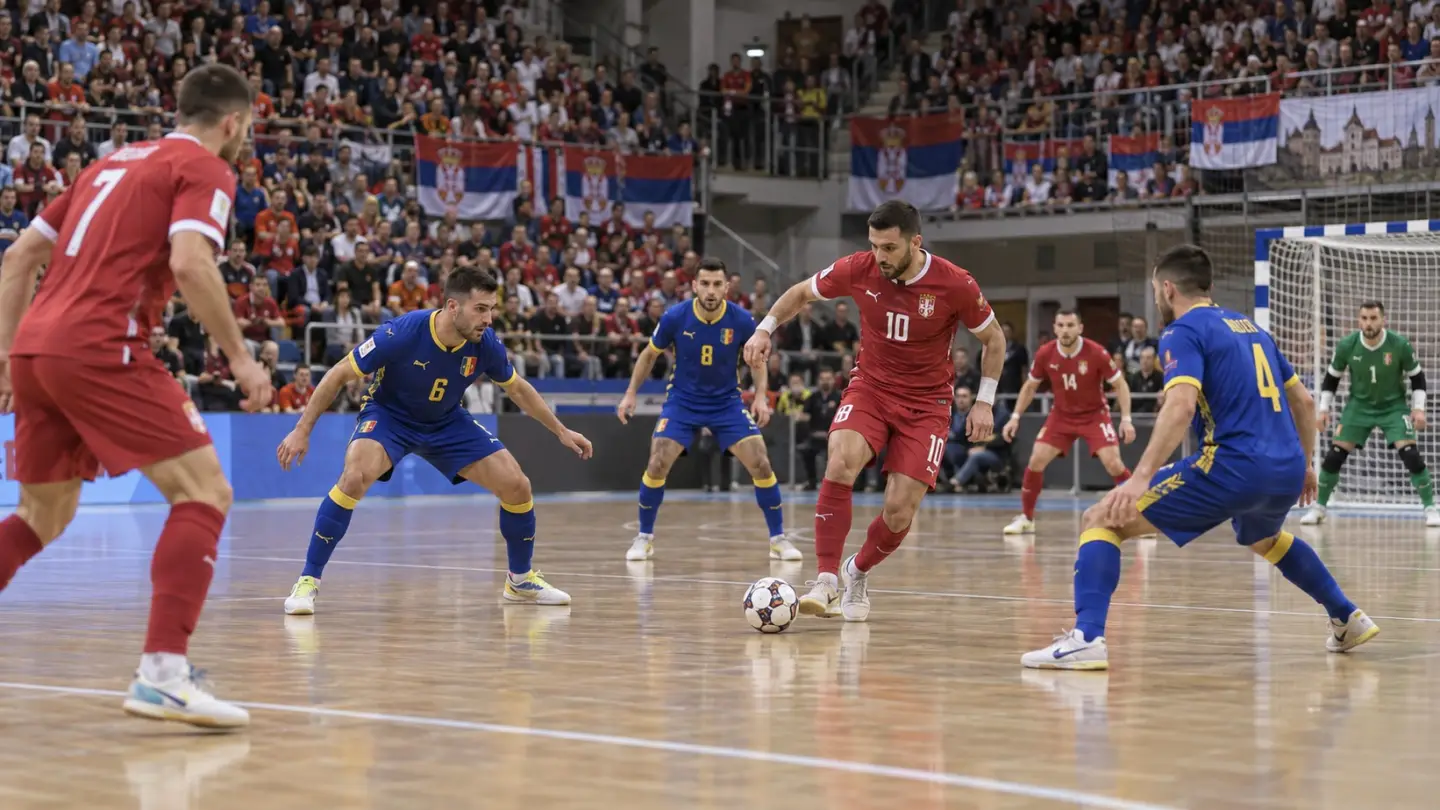
Serbia’s futsal side open the main round of qualifying for the 2028 World Cup with a match against Andorra on 16 October in Požarevac, kicking off at 18:00. Coach Marko Gavrilović has called up 16 players, with the squad gathering from 12 October. Serbia also share the group with the Netherlands. The group winners and the four best runners-up advance directly, while the remaining eight runners-up will play a play-off.
Andorra are likely to defend in a low block and try to slow the tempo of possession. Serbia must therefore not confuse domination with haste. The first few attacks should reveal how the opponent pushes its players out and which side it leaves weaker. Quick circulation only makes sense if it shifts the block; passes that do not change position make it easier for the defence to protect the middle.
Gavrilović’s list of 16 gives him room for short, high-intensity rotations. The quality of substitutions will not be judged only by goals, but by maintaining pressure after losing the ball. If the second unit allows Andorra to get out of their first pass, Serbia will have to run back and spend energy that is needed to keep pushing the opponent towards its own goal.
The opener demands patience against an expected deep block
The most important attacking detail will be off-the-ball movement behind the last defender. Against a packed defence, a shot from distance can open a rebound, but it is not enough on its own. The pivot must tie up his marker, while the wing arriving from the second line attacks the far post. In this way, a single pass through the middle becomes a threat rather than just another possession.
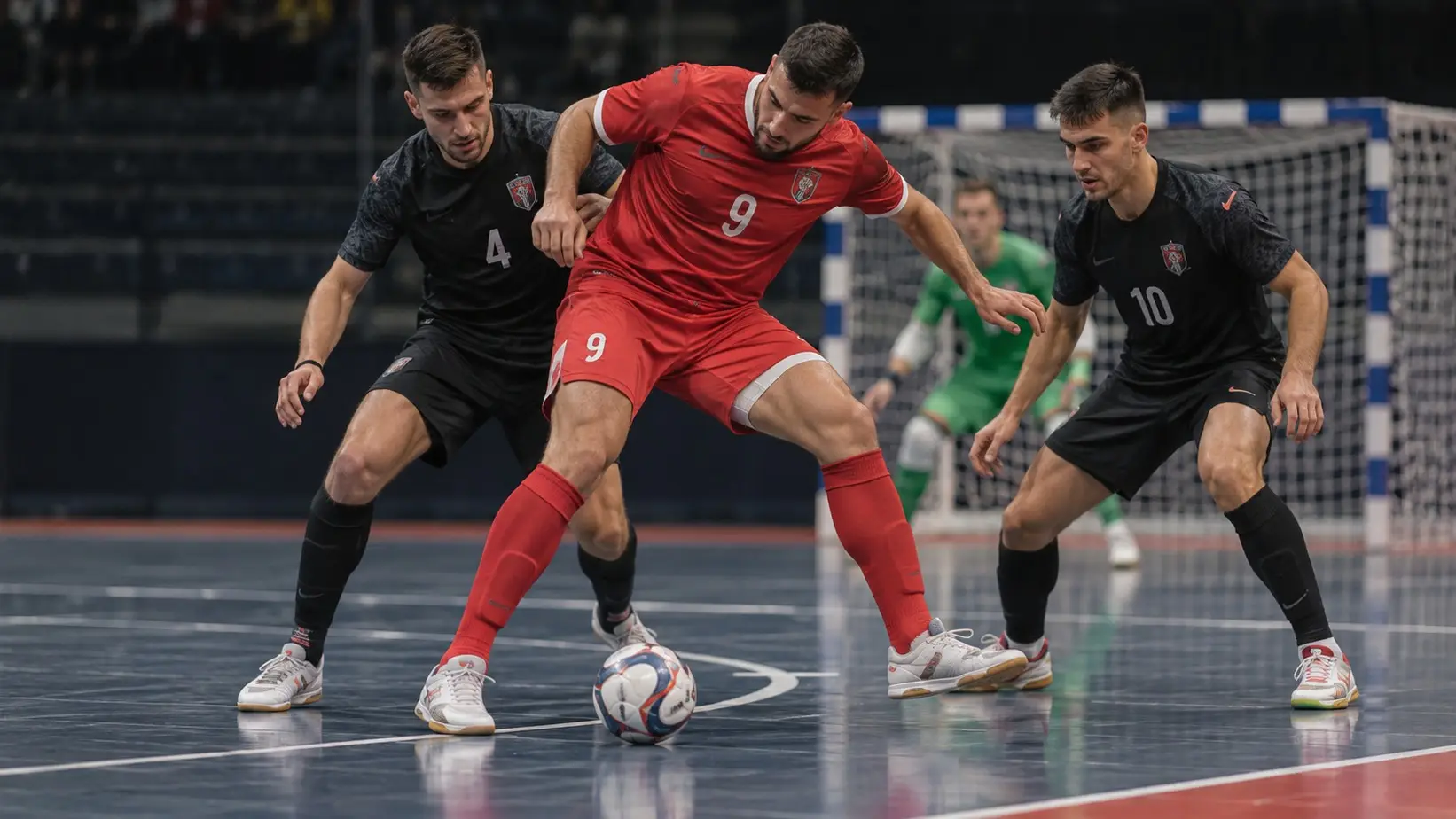
Serbia play away to the Netherlands on 21 October, then face Andorra away on 26 February, and the cycle ends on 3 March at home against the Netherlands. In a short group every point carries great weight, and goal difference can decide the order of the runners-up. Still, chasing a big scoreline from the first minute raises the risk of counterattacks and needless accumulated fouls.
Defending set pieces must be flawless. A side that has little possession often looks for its best chance precisely from throw-ins, corners and free kicks. Serbia need to decide in advance who guards the first pass, who goes out to shoot and who stays behind the ball. One conceded goal could shift Andorra’s block from active to completely closed.
Goal difference may matter, but control of the match remains the first aim
A useful measure of the Serbian attack will be the number of entries into the six-metre zone, not just the total number of shots. Twenty efforts from outside the box may look dominant, but often means the final pass is missing. The greater value comes from the rebound, two-versus-one situations and a dribble that lets a player receive facing goal.
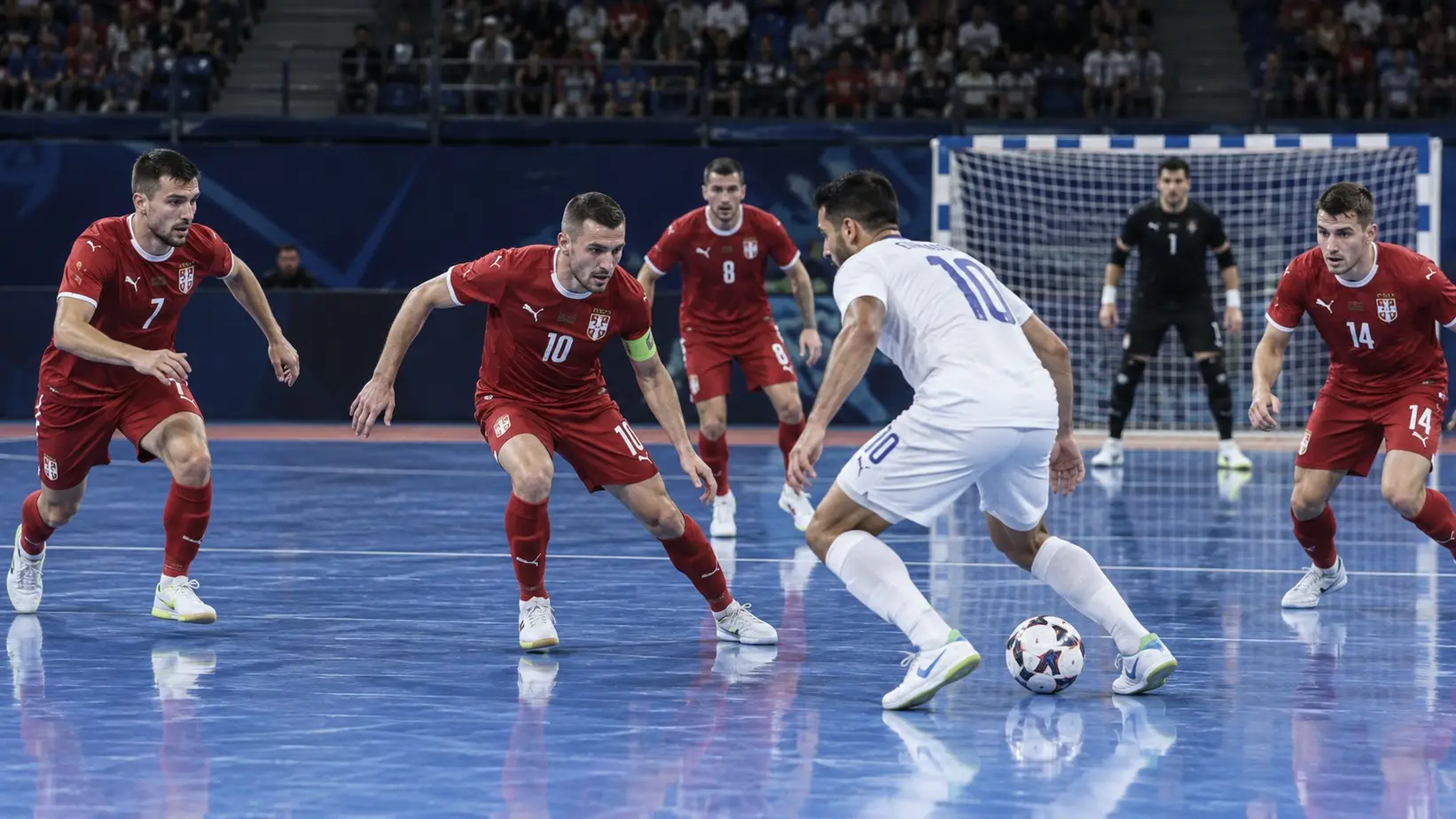
The second measure is how long it takes to win the ball back after losing possession. If Andorra get a few seconds to lift their heads, a long ball can bypass the entire press. The first reaction must be collective: the nearest player slows the pass while the others close the middle. That discipline protects both the result and the energy levels.
Požarevac gives Serbia a home start and a chance to take control of the group immediately. A win is the mandatory target, but the quality of the performance will determine how ready the side is for the tougher trip to the Netherlands. Patient build-up, a quick reaction after losing the ball and sound rotations can deliver the result without the risk that would needlessly complicate qualification.
The crowd in Požarevac may raise the intensity, but the team must hold the same rhythm if the goal does not come early. Nervously speeding up the passing usually only increases technical errors. Clear rotation, patient switching of the ball to the far side and a timely time-out offer a better route to an advantage than repeated attempts through an already closed middle.
Gavrilović may also use the goalkeeper in the build-up, but the extra player must not become a routine risk while the score is level. His role is to change the angle and draw the first pressure, always keeping a back line covered after a wrong pass.