
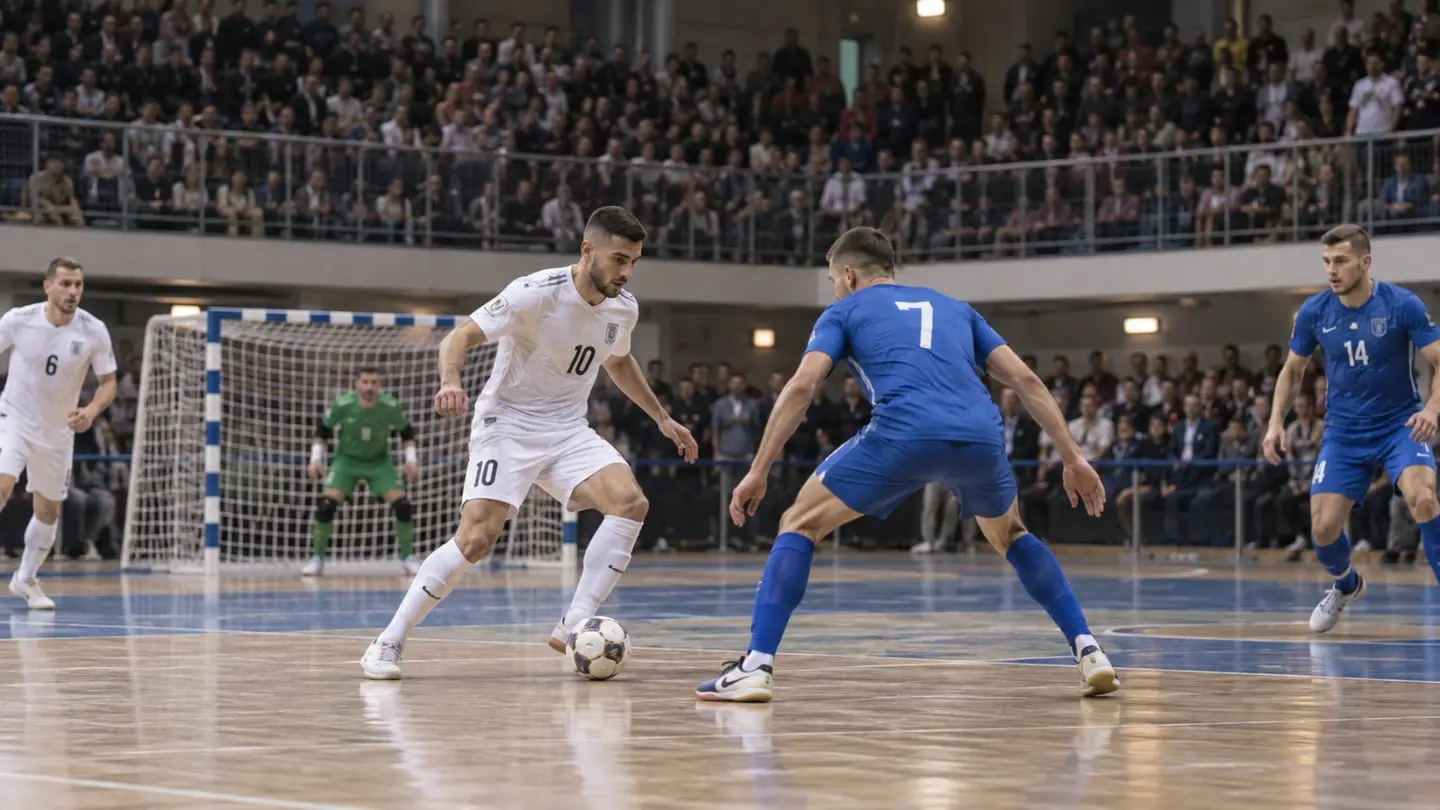
The elite will be made up of the eight best sides from last top-flight season, the Second League champions and the winner of a play-off between the ninth-placed top-flight club and a candidate from the tier below. The key point comes first: what happened, when it happened and why it matters. Only after that can the practical consequence be weighed, and even then the line between confirmed information and assumption should stay clear. That keeps the story accurate and lets it be updated later without changing its core meaning. For that reason, the next official statement should confirm the consequence that has now been marked as the central one.
The change already shapes the 2026/27 season, because the boundaries at eighth, ninth and tenth place carry different stakes. The difference is easiest to see in process: who sets the terms, who has to give ground first and how quickly a correction follows. Two similar results can come from very different levels of play. The analysis therefore looks for a cause that can be reproduced, rather than an explanation built only on the final move. That way of reading events gives the reader a basis to understand both the result and the decisions that came before it.
A smaller league means more direct meetings between equals
The federation must announce early on hosting, suspensions, licensing and registration for the play-off, while clubs need to budget for a higher standard. The plan has to be clear enough to carry out under pressure. The first option exploits the greatest advantage, and the fallback has to answer the rival’s most likely reaction. Adding new tasks without a clear reason slows decisions down; a good adjustment changes only the part that is not working and keeps what already delivers results. Execution is then judged by how clear the decision was, how fast the response came and the quality of the position after each attempt.
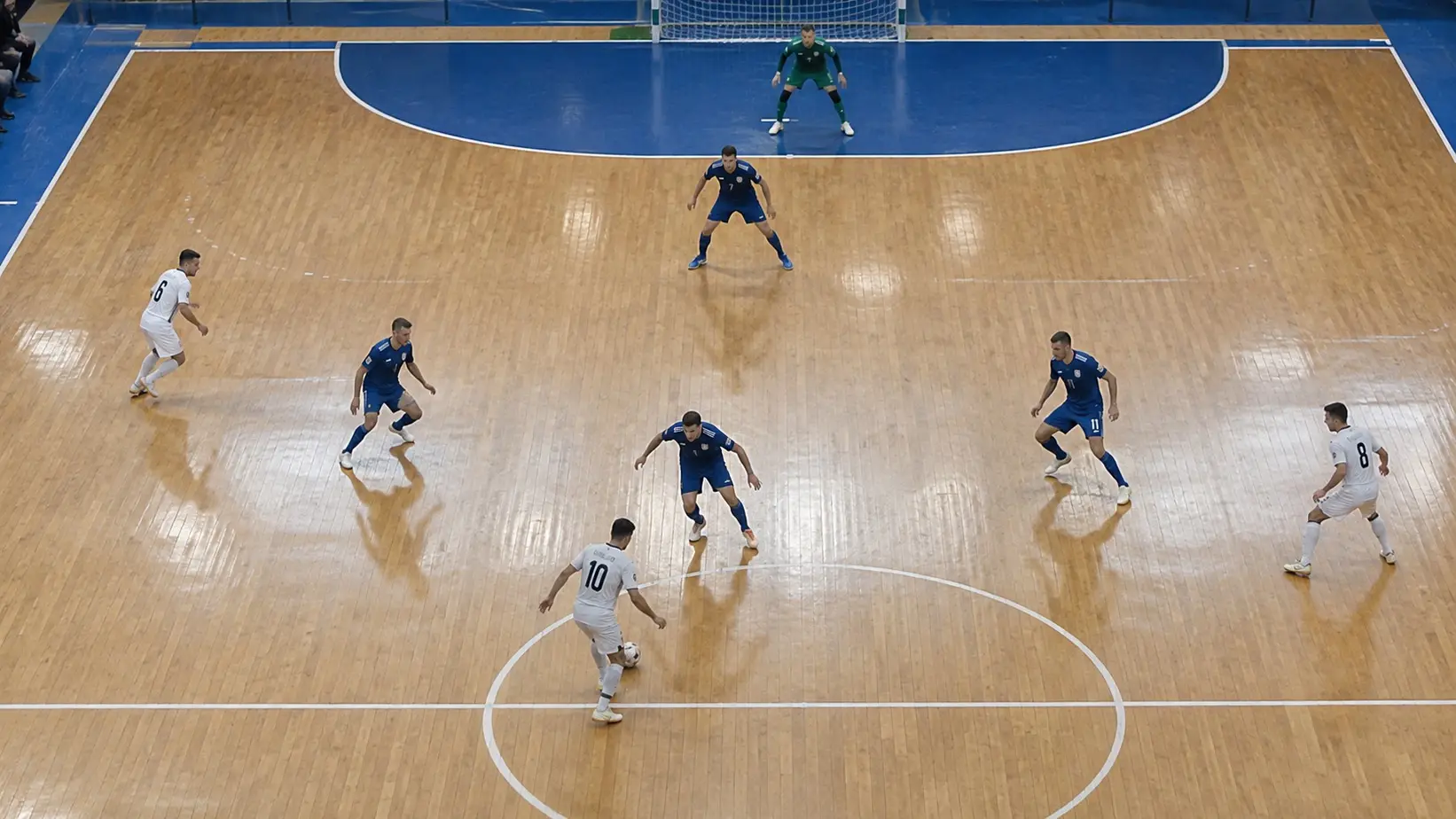
Fewer participants do not guarantee quality on their own if weak halls, unstable finances and too little youth work remain. Risk management decides how long a plan can last. A neutral outcome sometimes protects a position, energy or possession for a better chance, while forcing the play without preparation invites a counter. The balance between gain and danger shifts with time and the score, so the same decision is not equally sound at the start and at the end. The real measure of discipline will be how often danger is spotted before it becomes damage.
Promotion and the play-off must remain sustainable
The success of the reform should be measured by goal difference, the number of close finishes, financial stability, attendance and the minutes given to home-grown young players. These figures make it possible to test the conclusion after the event. The final scoreline shows the outcome, but only a comparison by period reveals where the advantage was built and whether it can be repeated. It is especially useful to separate the opening plan from decisions made under fatigue, since that is where the consistency of technique and the quality of preparation become visible. If the figures are read in order, it will be clear whether the change was planned, temporary or accidental.

The Second League champions get a clear direct route, while the extra match between the second and third-placed sides preserves the sporting value of the wider top of that tier. Significance does not end with the last point or the last decision. A good performance opens a new opportunity, but consistency is what proves the change can hold. A weaker result can still be useful if it produces two or three precise tasks. Changing everything at once usually hides the real cause and makes the next check harder. That follow-up gives today’s story lasting value and links the immediate outcome to the next realistic goal.
Ten clubs can raise the standard only with a transparent transition and a development base that regularly produces players and stable new members. The conclusion must therefore stay tied to the evidence currently available. The best next test uses the same checkpoints under different conditions, so it becomes clear what belongs to quality and what to circumstance. Repeating a good pattern against a new challenge carries more weight than a single striking moment. For that reason, the final assessment should be updated only when a new comparable figure comes from the official competition.