
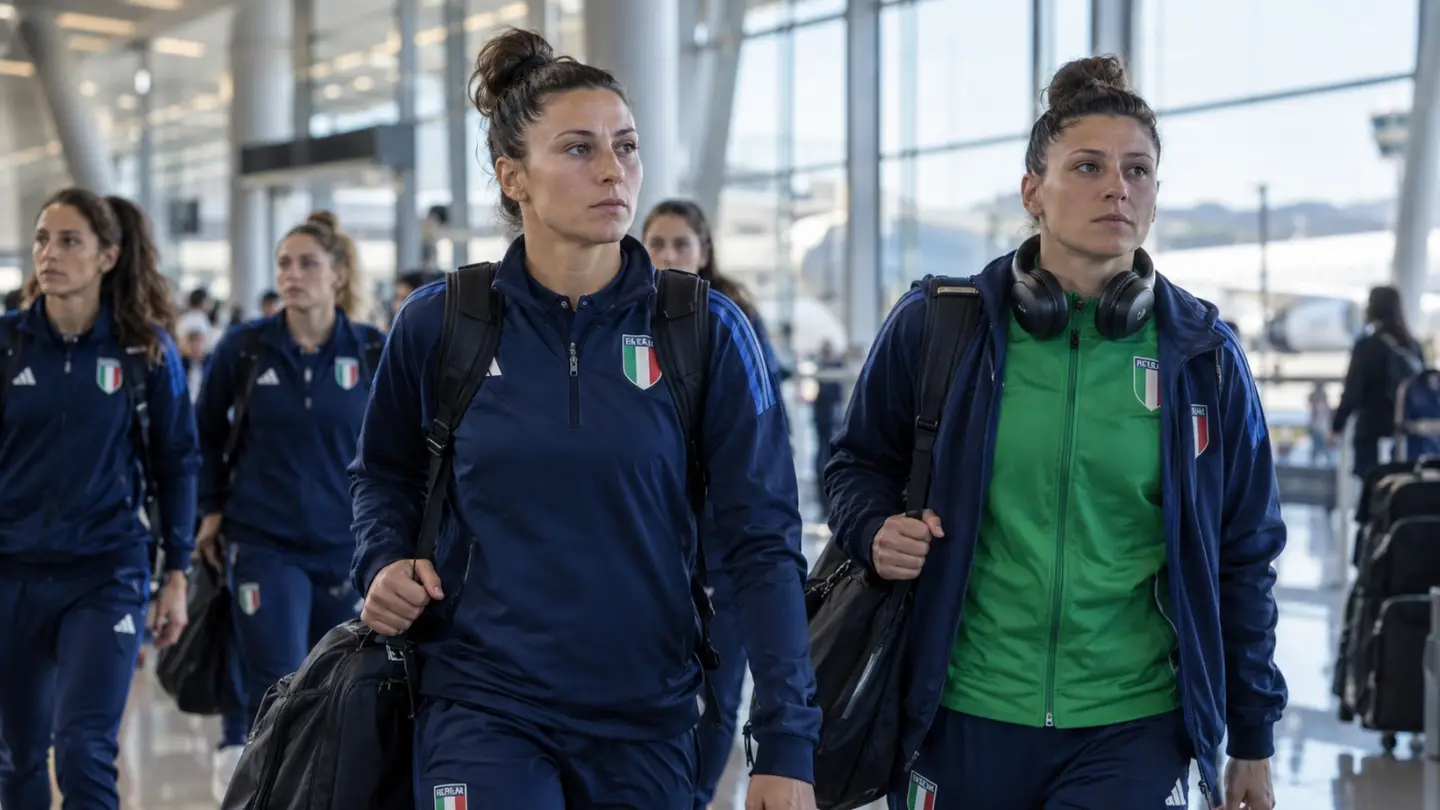
The Italian women’s futsal national team has travelled to Slovenia for the elite qualifying round of the European Championship. In its group Italy will face the hosts, Spain and France, with the aim of securing the Italian women’s first place in the finals tournament. After preparatory work in Rome, the coaching staff narrowed the selection from eighteen called-up players to the travelling squad, with a further decision on the official list due shortly before the competition begins.
The schedule is tight: Italy first play Slovenia on 7 October, then face Spain the very next day, and close the group against France on 10 October. Three matches in four days leave little time for recovery and detailed tactical changes. Coaches must therefore plan minutes in advance, prepare different line-ups for pressing, and protect the most exposed players from a drop in intensity in the final game.
Three matches in four days demand careful distribution of energy
The opening duel with Slovenia could shape the whole course of the qualifiers. The hosts will have the backing of their crowd and a clear motive to set the tempo early, while Italy must avoid needless fouls and lost balls in the central zone. A win would allow a calmer approach to the match against Spain; a defeat would turn every remaining minute into a chase. That is why controlling the first five minutes matters more than trying to settle the game straight away.
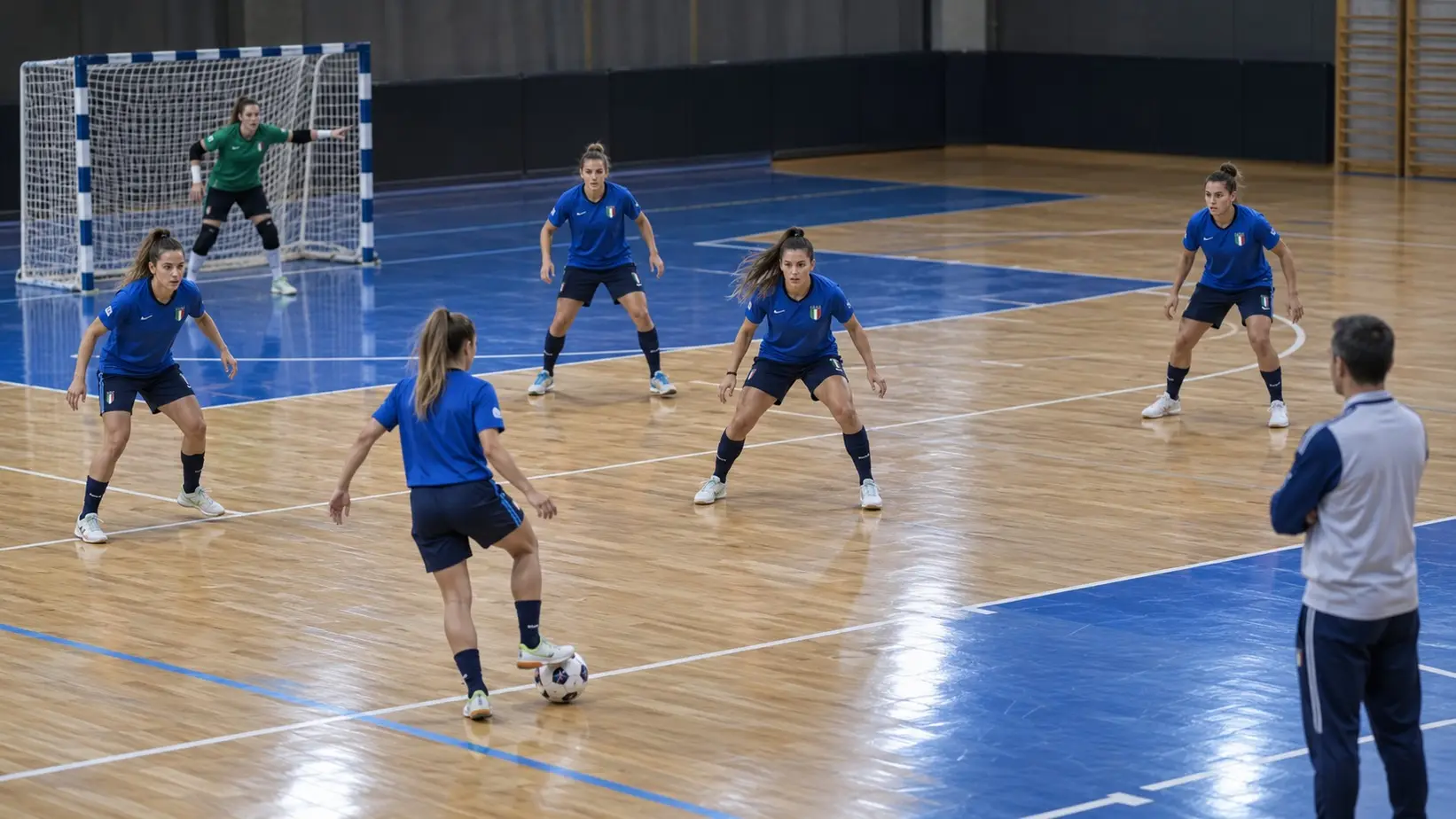
Spain come in as the strongest name in the group and will likely keep the ball for longer spells. Italy’s plan must distinguish between passive retreat and an organised middle zone. If the four simply drop back, the opponent can switch sides without pressure and open a shot from the far post. Active defence requires an agreed moment to step out, support behind the first player, and a ready route into a counter as soon as possession is won.
Spain are the favourites, but the Slovenia match sets the direction of the group
France in the final round could decide the order outright. By then both teams will have played two matches, so the depth of the squad will matter almost as much as the starting five. Italy has also brought a third goalkeeper to maintain security through the preparations, yet the official list has a limit. Every choice must therefore cover both the tactical role and the chance of an unplanned health problem.
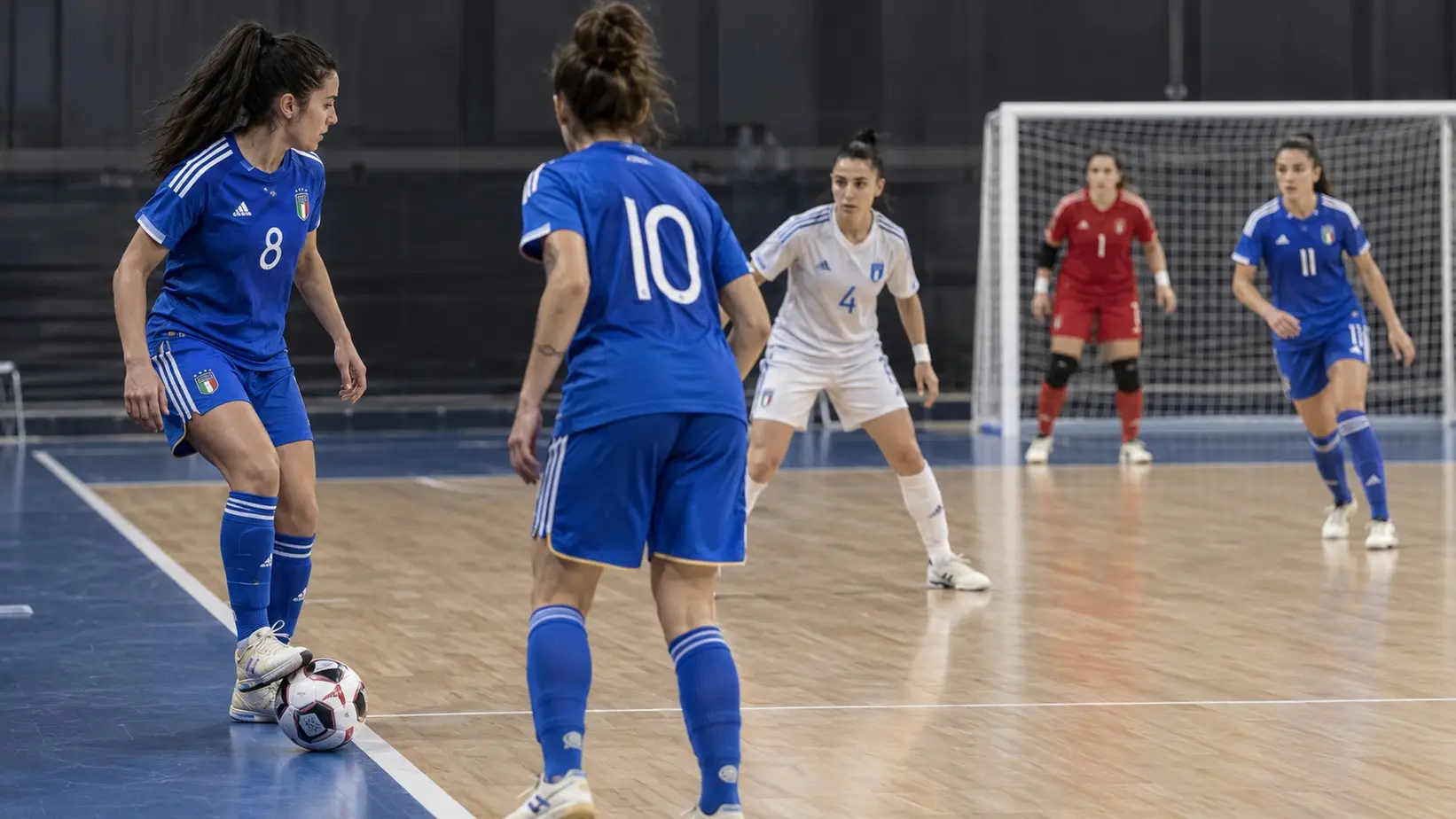
Futsal qualifiers are often decided by restarts and situations involving the goalkeeper-player. Italy should prepare at least two variants of throw-ins and corners that do not depend on surprises in the first match. Equally important is the five-against-four defence, since goal difference may influence the final calculation. Clear signals for taking over and timely movement towards the shooter conserve energy and reduce the chance that one late situation undoes the entire plan.
A first qualification for the finals would be an important step for Italy’s women’s programme, but it must not weigh on the players before the first whistle. The best route runs through small tasks: a secure first pass, a timely substitution, discipline in fouls and quality finishing from the far post. The group is demanding, but the format gives a chance to the team that learns fastest between matches. Italy arrives in Slovenia with a clear goal; its ability to turn that goal into three different plans will decide the outcome.
The coaching staff should keep separate records of balls won near the opposing goal, shots from the central zone and possessions lost without cover. That way, between two matches, they can change only what is genuinely not working. In a compressed schedule there is no time for a new game from scratch; progress comes from two or three clear corrections that the players can apply immediately.
Goalkeepers will have a particular role in starting attacks, because a good pass can bypass the first press and instantly create an extra player. Italy should not force the short option when the opponent completely closes the middle. A well-timed long ball towards the pivot can change the height of the defence and open the next outlet. Variety in the first pass keeps the team secure and makes it harder to predict.