
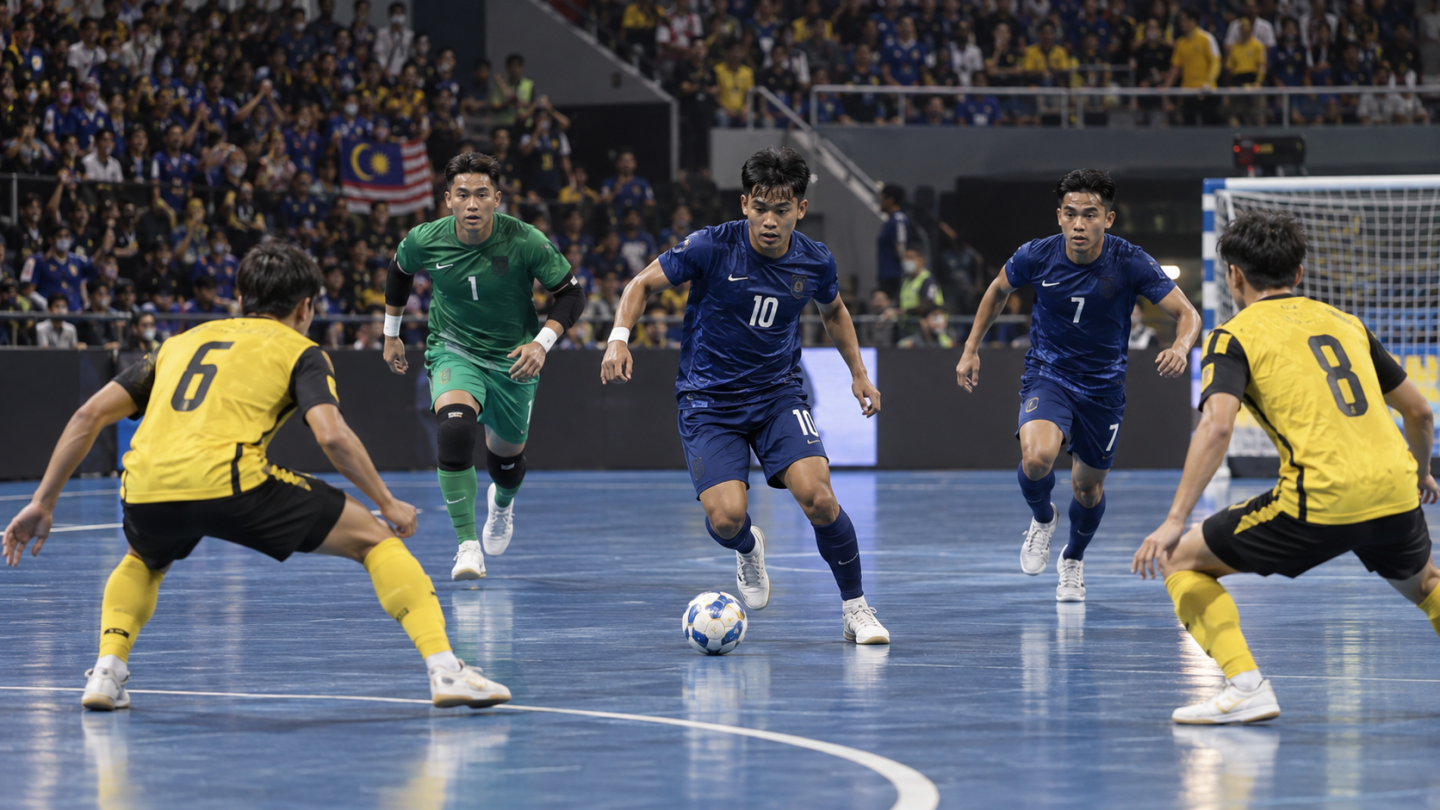
Johor host Pahang on 10 October in the return leg of the Malaysia Premier Futsal League semi-final, trailing 2:4 from the first match. The key answer comes first: what happened, when, and why it matters. Only then can the practical consequence be weighed, with a clear line drawn between what the available facts show and what is assumption. That approach protects accuracy and lets the story be updated later without changing its core meaning. The next official information should therefore confirm the consequence now flagged as decisive.
The hosts have to press for goals without a panicked start, while Pahang can hold the middle and wait for a mistake to hit on the break. The gap is easiest to see in the process: who sets the terms, who has to give ground first, and how quickly a correction arrives. Two similar scorelines can come from play of completely different quality. The analysis therefore looks for a cause that can be repeated, rather than an explanation built only on the final move. That reading gives the reader a basis for understanding both the result and the decisions that led to it.
Johor must attack without taking early risks
Johor need to change the height of their pivot, open the central shot with a return pass, and bring the flying goalkeeper on only once possession is stable. The plan has to be clear enough to carry out under pressure. The first option uses the biggest advantage, and the backup must answer the rival’s most likely reaction. Adding new tasks without a clear reason slows decisions; a good adjustment changes only the part that is not working and keeps what already produces results. Execution is then judged by the clarity of decisions, the speed of reaction and the quality of position after each attempt.
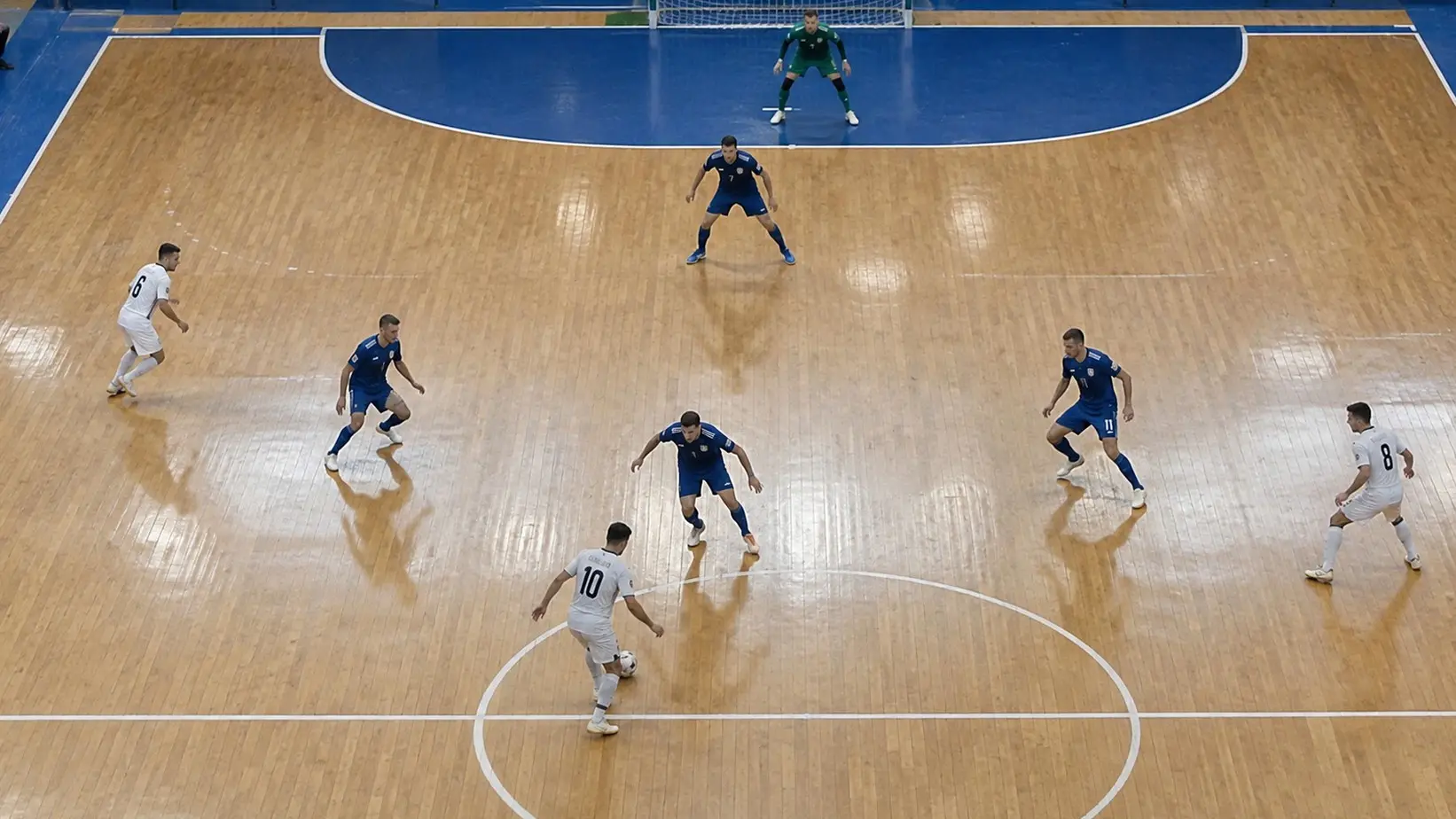
An early fifth player without precise circulation can turn one intercepted pass into an empty net. Risk management decides how long a plan can survive. A neutral outcome sometimes protects position, energy or possession for a better chance, while forcing the issue without preparation opens the door to a counter. The balance between gain and danger shifts with time and score, so the same decision is not equally sound at the start and in the closing minutes. The real measure of discipline will be how many situations were spotted as dangerous before they became damage.
Pahang’s advantage changes the value of every possession
Watch the shots from the central channel, the lost balls, the time spent with five players and the number of two-on-one transitions. These figures allow the conclusions to be checked after the event. The final score shows the outcome, but only a comparison period by period reveals where the advantage came from and whether it can be repeated. It is particularly useful to separate the opening plan from decisions made under fatigue, because that is where the stability of technique and the quality of preparation show. If the figures are read in sequence, it will be clear whether the change was planned, temporary or accidental.
The winner of the two-legged tie goes through to the final, scheduled for 24 and 31 October. The significance does not end with the last point or decision. A good performance opens a new opportunity, but consistency is what confirms the change can last. A weaker result can still be useful if it produces two or three precise tasks. Changing everything at once usually hides the real cause and makes the next check harder. That follow-up gives the current story lasting value and links the immediate result to the next realistic goal.
Johor need two goals, but their first target remains quality possession and protection behind the ball. The conclusion must therefore stay tied to the evidence currently available. The best next check uses the same control points in different conditions, so it becomes clear what belongs to quality and what to circumstance. Repeating a good pattern against a new challenge carries more weight in assessment than a single striking move. For that reason the final judgement should be updated only once a new comparable figure emerges from the official event.