
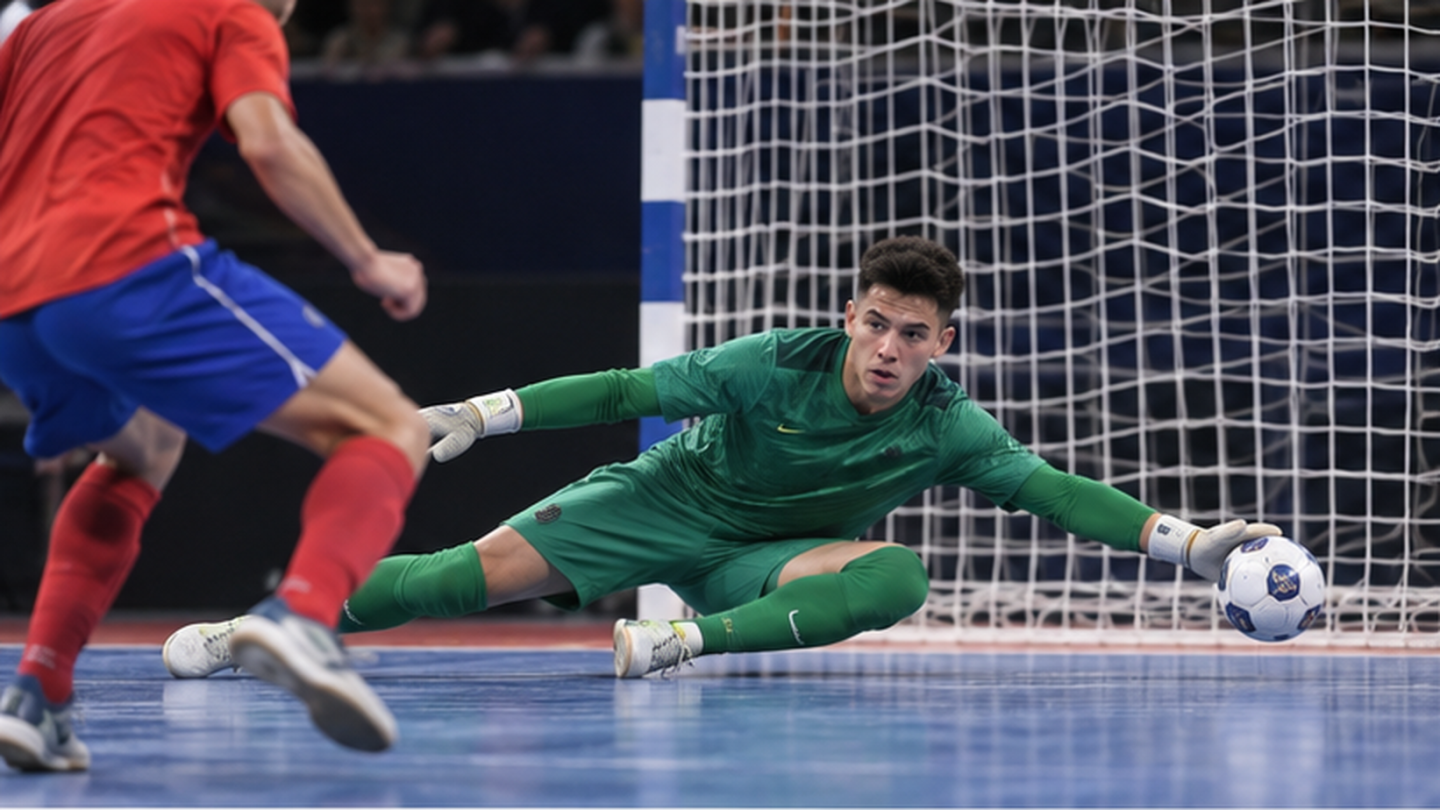
Brazil clinched their place in the semi-finals of the South American futsal championship for players under 20 in Venezuela with a 0:0 draw against Chile. A match without goals was not typical for a youth tournament, yet it showed tactical maturity on both sides. A point was enough for Brazil to progress, while Chile finished the group phase unbeaten and kept their hopes alive through other results. In the arena in Barquisimeto, discipline and patience decided the outcome rather than individual flair.
In the previous round Brazil had scored 15 goals against Peru, so the clash with Chile posed an entirely different challenge. The Chileans closed off the middle of the court, quickly recovered after losing possession and did not allow simple chances from the far post. The Brazilian side had the ball and the technical edge, but they did not want to open up space for a counter-attack. In a tournament format, that kind of risk assessment can be just as important as a convincing win.
Defence settled a match without goals
Chile kept excellent control of the distances between their first line of pressure and the players behind it. Whenever Brazil could not find a way through the centre, their attacks ended with shots from tighter angles. The goalkeeper read the play well, and the defence cleared rebounds quickly. A plan like this demands constant concentration, because a single late step out leaves a free player in a small area. Chile held out for the whole match without a major error.
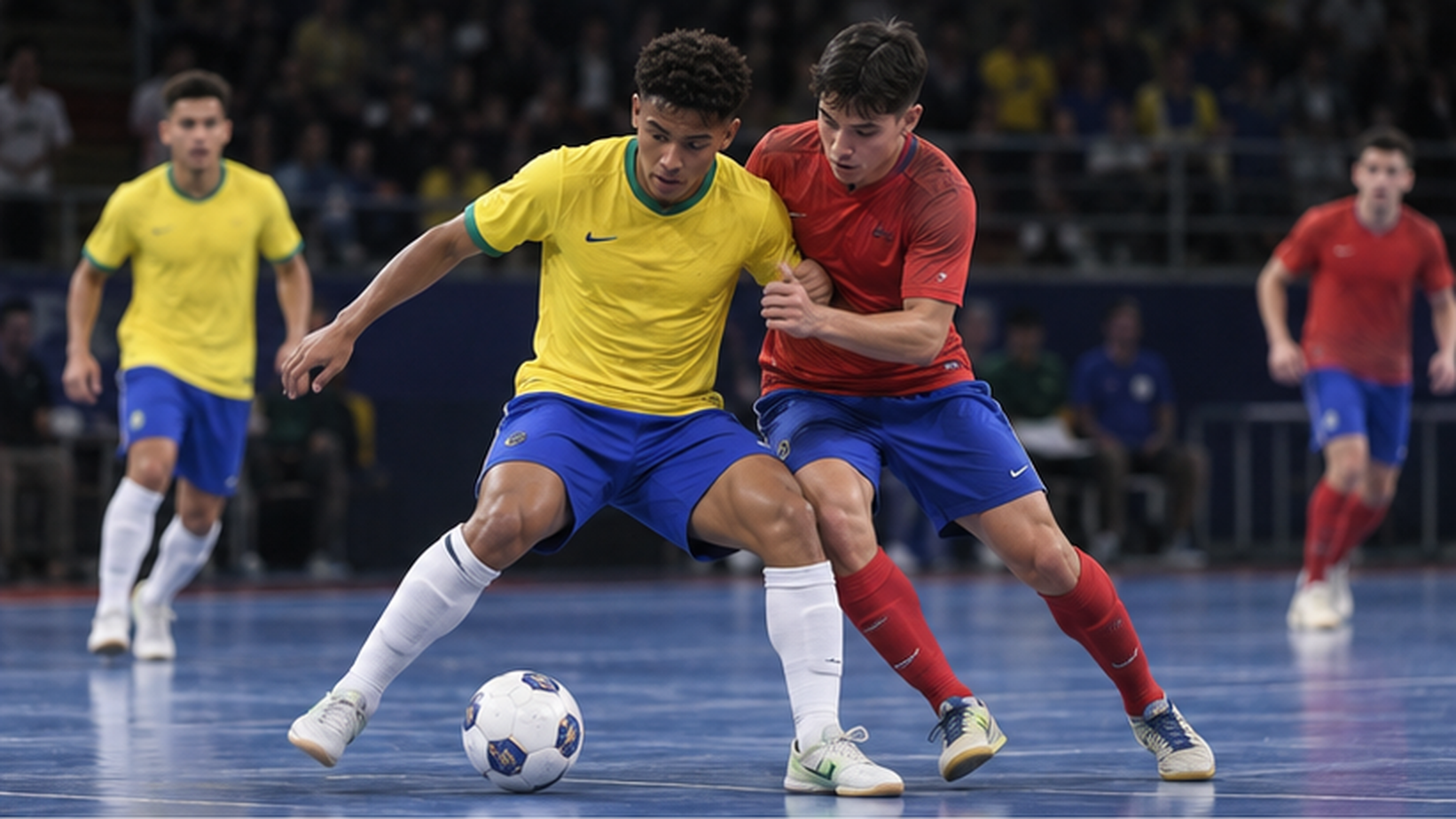
Brazil, for their part, made sure patience did not turn into passivity. After losing possession, the nearest players immediately closed the first passing lane, which denied Chile an easy transition. This matters especially when a side attacks with several players ahead of the ball. Instead of a panicked retreat, Brazil used their good positioning and committed a tactical foul only when it was necessary. The result was the first clean sheet in the toughest group fixture.
All Brazilian internationals play their club football in the domestic league, which shows how important the national competition is for the development of young players. Players from ten different clubs must quickly adopt shared principles. Differences in club habits can slow down automatic responses, but the wide representation means quality is being developed in several environments. The tournament gives the coach a chance to judge who adapts quickly to a new role.
The semi-final demands more precision in attack
The qualification is secured, but in the knockout phase Brazil will have to find a sharper finish against organised defences. The answer is not simply more shots. They need quicker switches of play, timely runs to the far post and movement that drags the last defender out of position. Set pieces can also decide a close game, so variations from throw-ins and corners will carry more value than they did in the open fixtures of the group stage.
From the draw, Chile gain confirmation that they can stop a favourite, but they must wait for the final outcome of the group. Their campaign already shows consistency: a win over Ecuador and draws with Peru, Argentina and Brazil. Not losing does not guarantee progress without enough victories, which is the harshness of a short tournament. Still, their defensive quality gives them a realistic basis for the placement matches, whatever their final position.
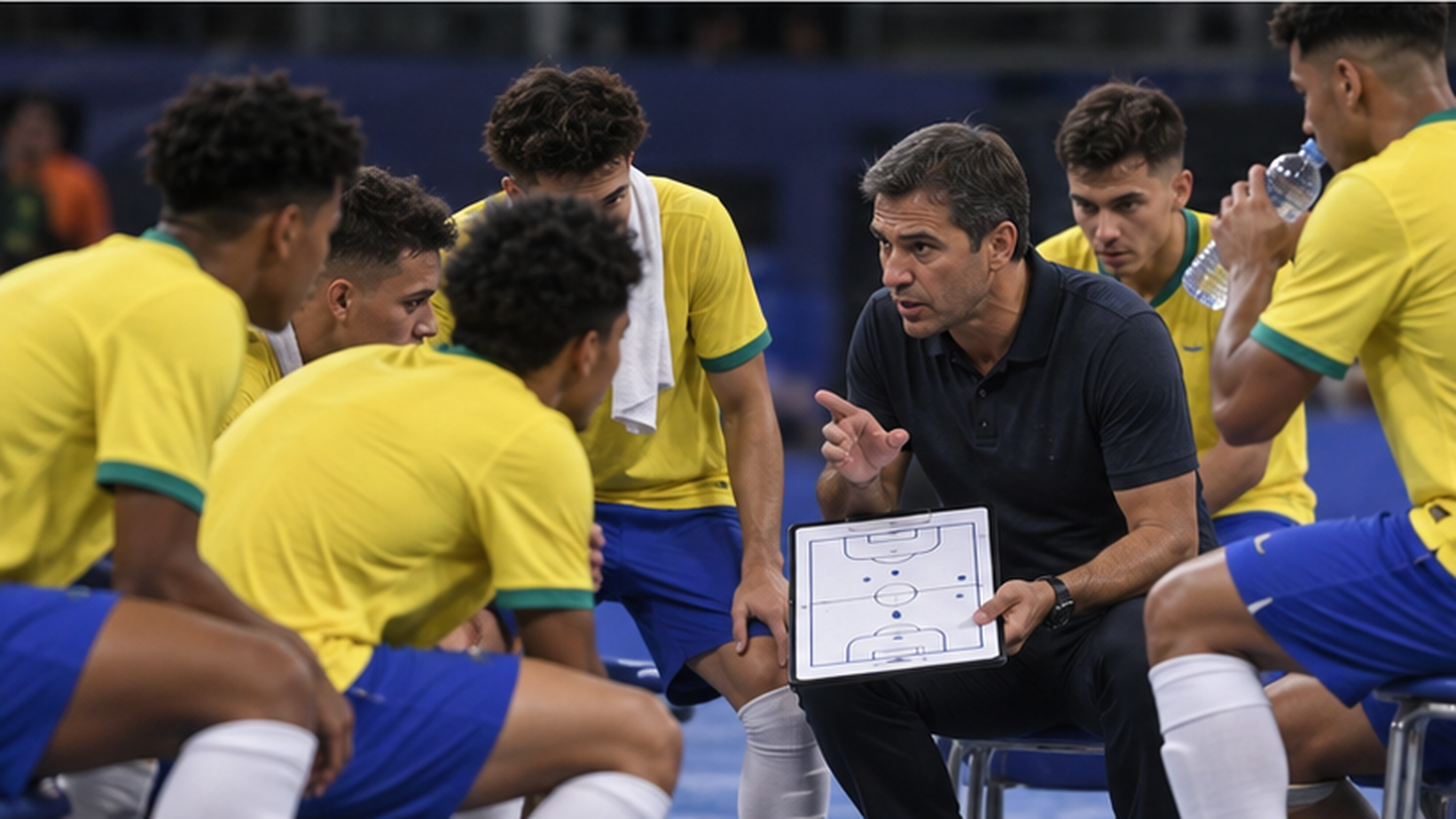
Brazil enter the semi-final without euphoria, but with clear evidence that they can win different kinds of matches. The goal rout showed their attacking ceiling, while the 0:0 showed their ability to control a game. Winning the title will require both qualities together. The young players must now accept greater pressure and turn possession into enough clean chances in a single match, while keeping the discipline that earned them progress. The coach will also analyse the number of lost balls in the middle of the court, since the semi-final will leave little room for harmless mistakes. Brazil have the technical quality to keep the ball for long spells, but they must turn it into movement that shifts the block. When the ball circulates without depth, the opponent can rest. When the pivot and the wingers change position at the same time, space opens for the final pass and a shot from a better balance.