
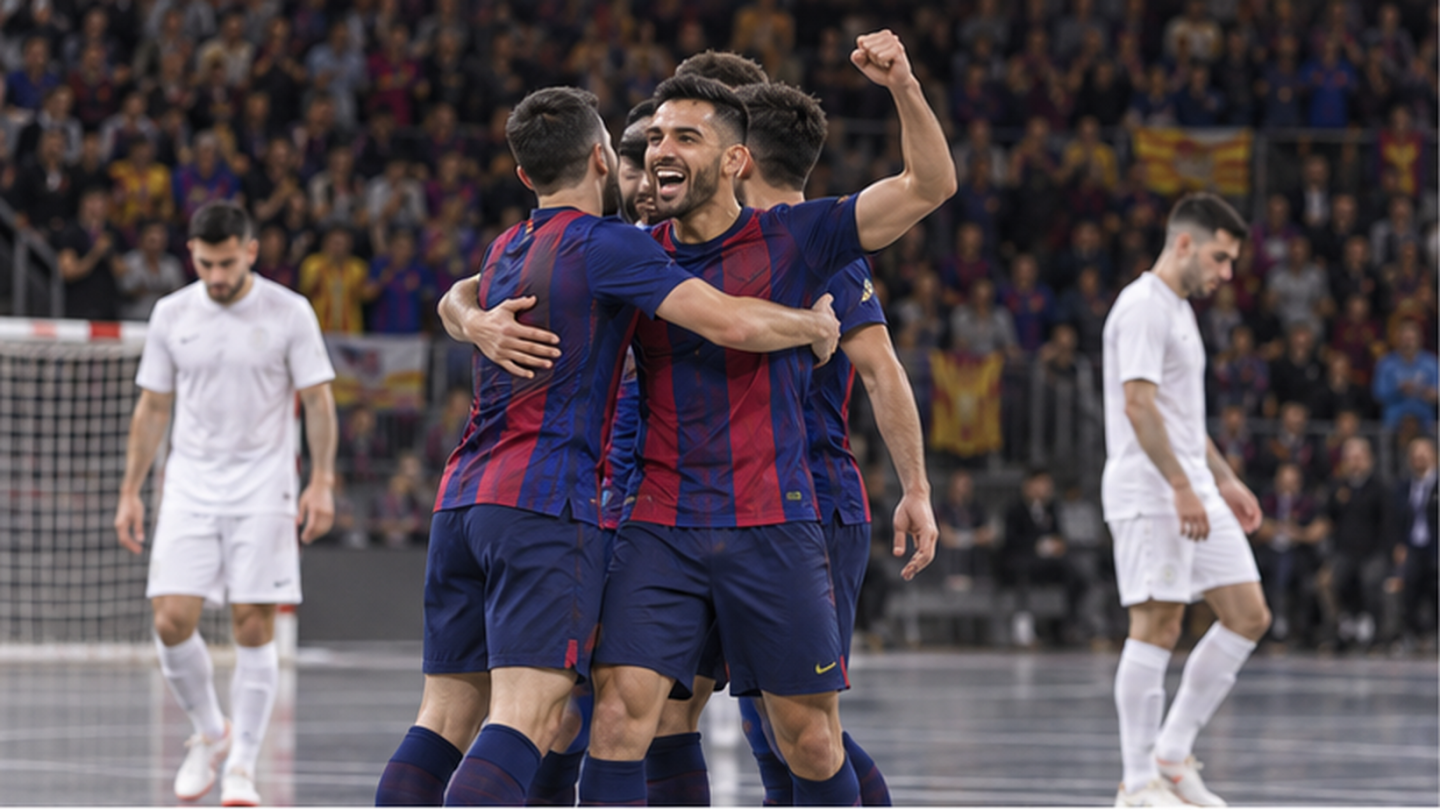
Barcelona’s futsal players beat O Parulo 6-1 at the Palau Blaugrana, bouncing back into winning ways after a draw in the previous round. The hosts were ahead as early as the first minute through Katela, and Adolfo’s two goals turned a good start into a clear lead. Roger made it 4-0 before the break, so Barcelona could control the tempo in the second half rather than constantly looking for a risky final pass.
Katela added his second goal early in the second half, while Novoa scored the only goal for the visitors. Higor set the final score at 6-1 late on. The order of the goals shows how well Barcelona started: an opponent that had seven points from three rounds before the game had to abandon its original plan early. When a strong side opens up a multi-goal lead, the space it creates usually rewards its technique and quick ball circulation.
Early pressure settled the key part of the job
From the outset, Barcelona shut down O Parulo’s exits and recovered possession quickly after losing the ball. The first goal was not a single isolated moment but the product of several consecutive attacks that kept the visitors pinned close to their own penalty area. Adolfo exploited the space between the lines, while Katela attacked from positions where he could choose between a shot and a final pass. That variety made it hard for the visitors to defend only one zone.
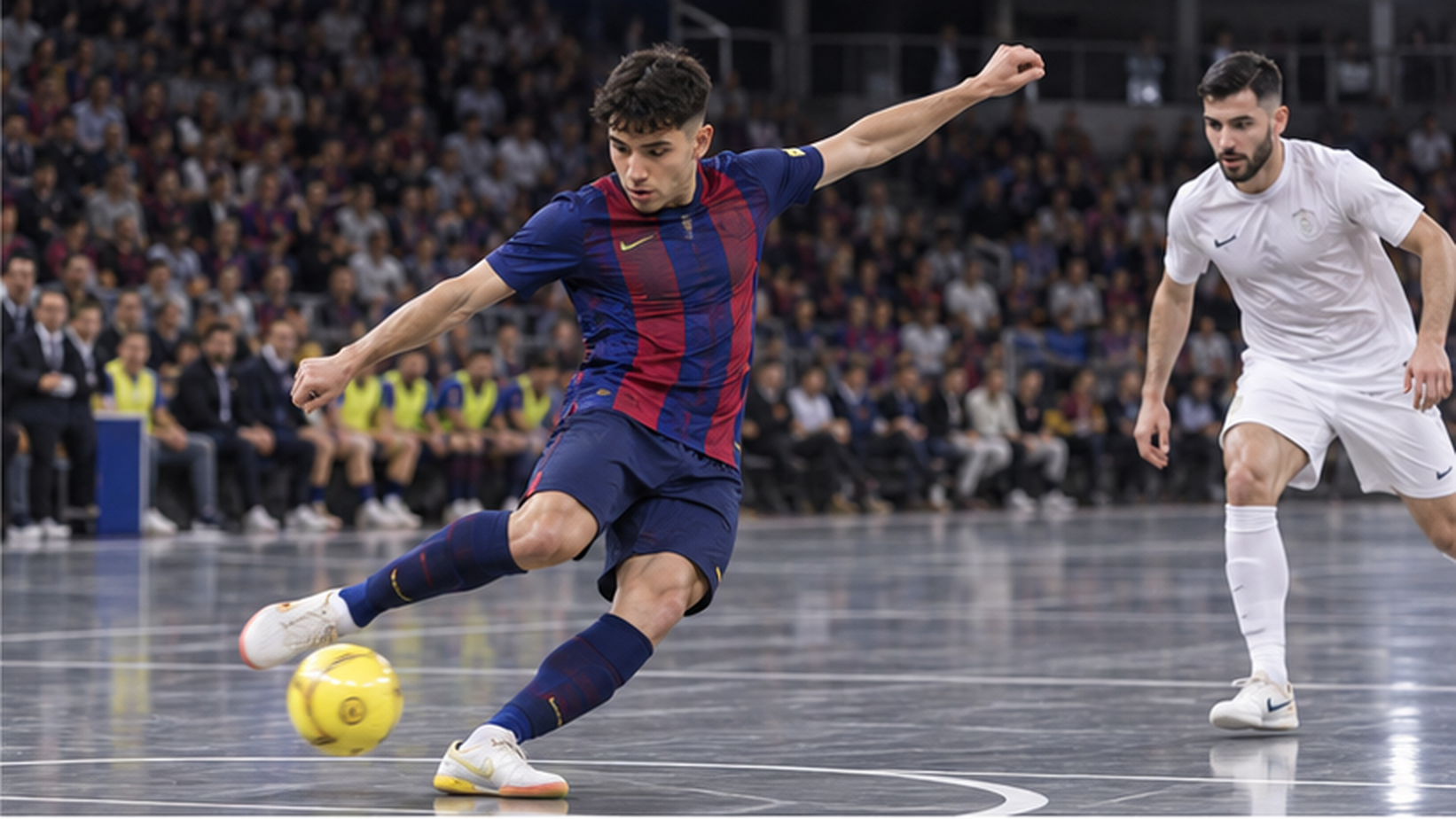
O Parulo arrived in Barcelona unbeaten in their first three rounds, with an attack that had been scoring regularly. However, the early deficit forced them to take more risks than they wanted. The visitors had better spells when they managed to escape the first wave of pressure, but they did not keep the ball long enough to slow the hosts down. Novoa’s goal was a reward for persistence, but it came when the outcome was already decided.
Barcelona also gained room to rotate the squad
The big advantage allowed the home coaching staff to use a wider rotation and save energy for upcoming commitments. In a congested season, that kind of control is worth more than the goal difference alone. Players who receive fewer minutes stay involved, and the key figures do not have to finish every match at full load. The condition is that the level of defending stays high enough, which Barcelona largely managed until the end.
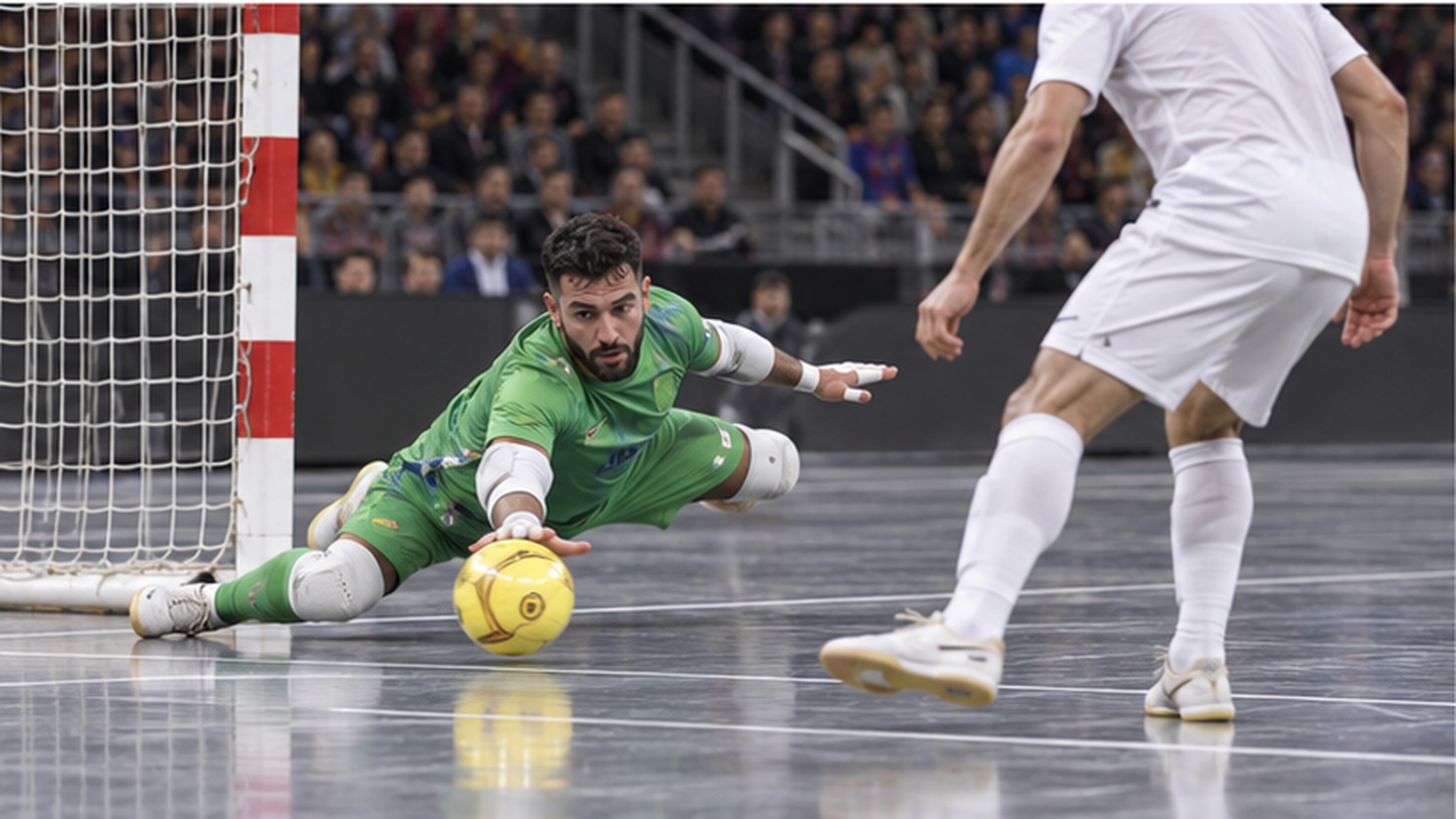
The 6-1 scoreline confirms the efficiency, but coaches will value more how the advantage was built. A quick goal, a swift return of the ball and sound rotation allowed the match to be managed without needless nerves. O Parulo can take away problems when leaving their own half under pressure from the defeat, while Barcelona collect three points and a clear style of play they will want to repeat. The coming matches will show whether this intensity can be sustained against rivals who keep the ball better.
Two goals each from Katela and Adolfo show that the hosts did not depend on a single finisher. When the defence concentrates on shutting down the pivot, danger comes from the flank or from a second wave. Barcelona created that surplus precisely by switching positions. Higor’s late goal further underlines the depth, since concentration stayed high even as the tempo dropped. For the coach, the spread of goals is a good sign that opponents will not be able to simply double up on one target.
Defensively, Barcelona will analyse the sequence from which Novoa scored. A comfortable scoreline often slows the speed of recovery, and such habits can be costly in a close game. O Parulo will try to pick out exactly those sequences and carry the lessons into the next round. A heavy defeat does not mean their promising start to the season is lost, but the response has to be swift. Above all, the side must keep its courage in possession without repeating the risky passes that opened Barcelona up on the break. The next training session should therefore return attention to a secure first passing line, the spacing between players and the reaction straight after losing the ball.