
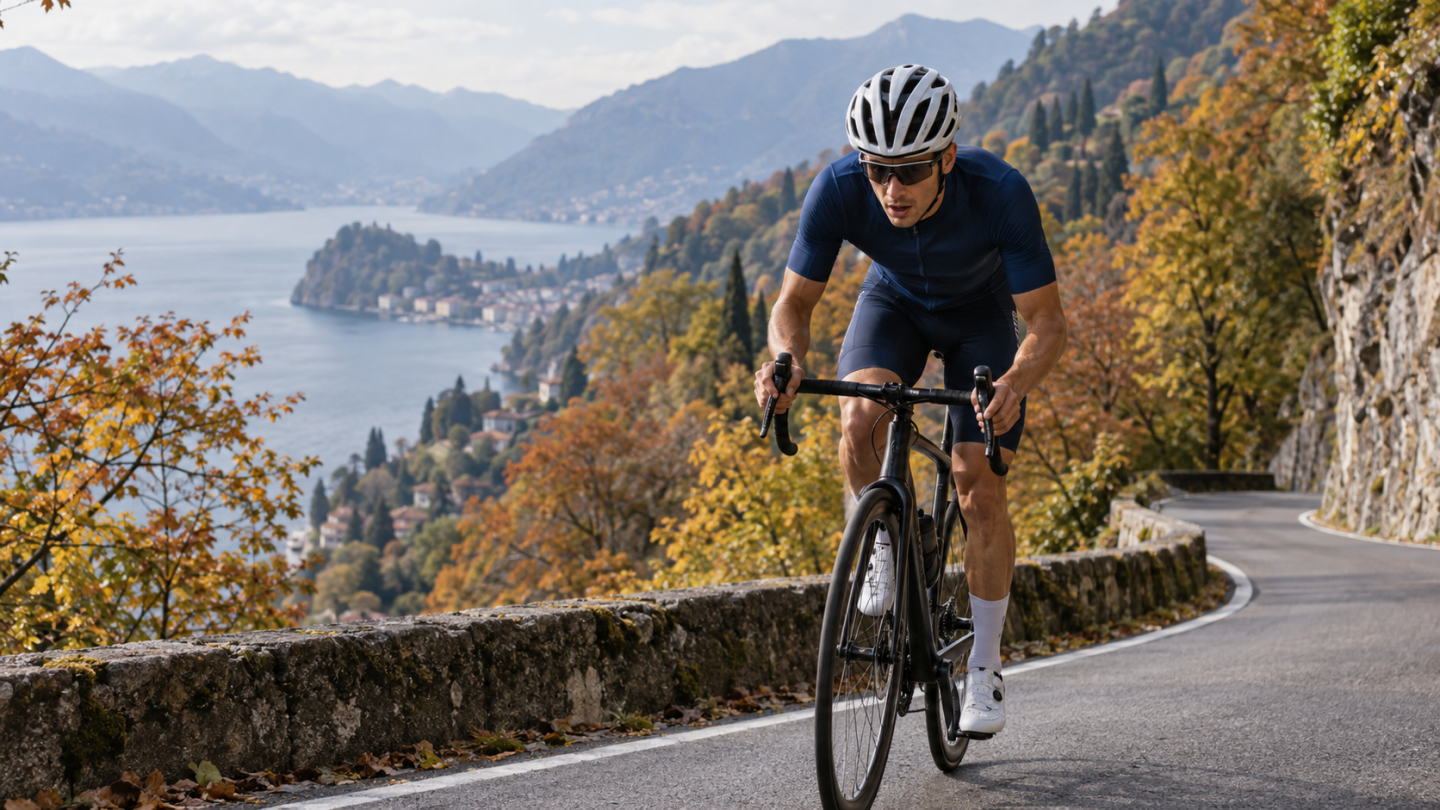
Paul Seixas won Il Lombardia on 10 October and, at 20 years and 16 days, became the youngest winner in the history of the race. The Frenchman from Decathlon CMA CGM reached the finish alone in Como after a decisive attack on the Civiglio climb.
Enric Mas took second place, Giulio Ciccone third and Remco Evenepoel fourth. It was Seixas’s first triumph in one of the five cycling monuments, on a 239-kilometre course from Bergamo to Como with nine climbs and around 4,600 metres of total ascent.
The race found a new winner after five consecutive victories by Tadej Pogačar. The Slovenian did not start because of the after-effects of a crash at the Vuelta, which opened the contest to the other favourites. Seixas turned the opportunity into a solo win rather than leaving the outcome to a sprint from a small group.
Born on 24 September 2006, the Frenchman had turned 20 just over two weeks before the race. His record applies specifically to Il Lombardia; across the full history of the five monuments, there are three younger winners. That distinction preserves the weight of the result without attributing a record that was not set.
The victory rounded off a season in which Seixas had already shown his strength in both one-day and stage races. The closing win in Italy brought him his first monument, while an earlier fourth place on his debut at the Tour de France confirmed that his level is not limited to a single format.
Attack on Civiglio decided the final monument of the season
Early breakaways on the course gradually formed a larger group, while the favourites’ teams took charge of the chase. UAE raised the pace on the Ghisallo, and as the riders crossed the Madonna del Ghisallo the lead of the front group began to shrink. Other teams joined the pursuit in the closing stages.
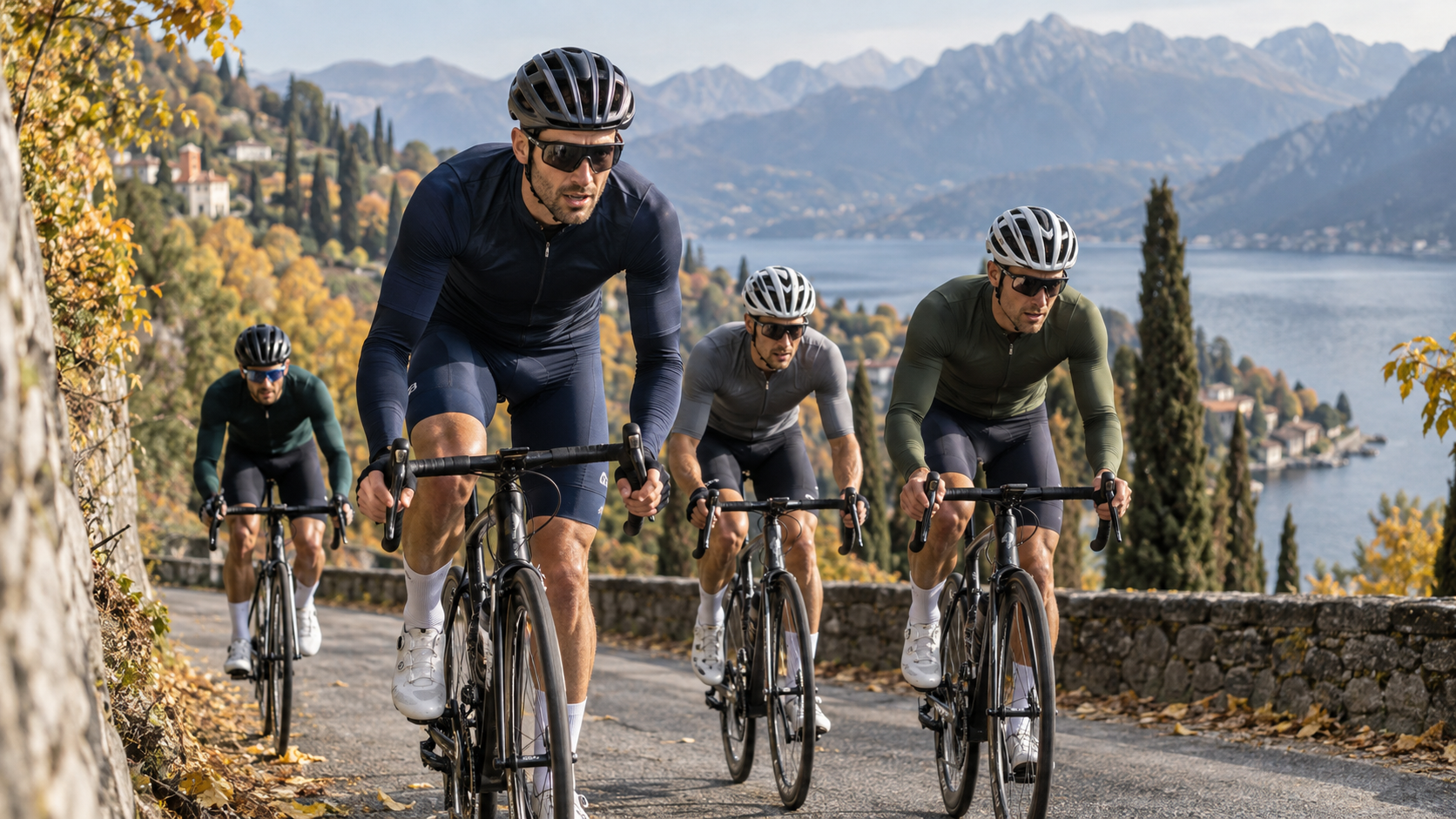
Seixas launched the decisive attack on Civiglio, roughly 19 kilometres from the finish. The climb opened a gap before the final section through the area around Como, where simply holding the small group’s tempo would have left more rivals in contention for victory.
Isaac del Toro, Brandon McNulty and Tom Pidcock were among the rivals the acceleration put under pressure. Evenepoel also failed to stay in direct contention for first place. Ciccone followed the Frenchman’s move for longer than the others, but he too ended up behind the future winner.
After crossing the top of the climb, Seixas kept the gap he had built and rode alone to the line. The attack came around 19 kilometres from the end, which means the decision was made after roughly 220 kilometres had been covered, in the last eight per cent of the total distance. The hardest part of the course therefore separated the winner after a long shared effort.
Behind him, Mas dropped Ciccone in the final kilometres to secure second place. The Spaniard repeated the podium with the same second position he had taken in 2022, while the Italian had to settle for third. The final order came from two separate battles: the attack for the win and the later duel for second.
Age record complemented by fourth place on the Tour
Seixas’s triumph carries extra weight when measured against historical ages. Before him, the monuments were won by younger riders in Victor Fastré at Liège in 1909, Georges Ronsse in the same race in 1925, and Rik Van Steenbergen at the Tour of Flanders in 1944. The Frenchman sits fourth on that list and is the youngest such winner since the Second World War.
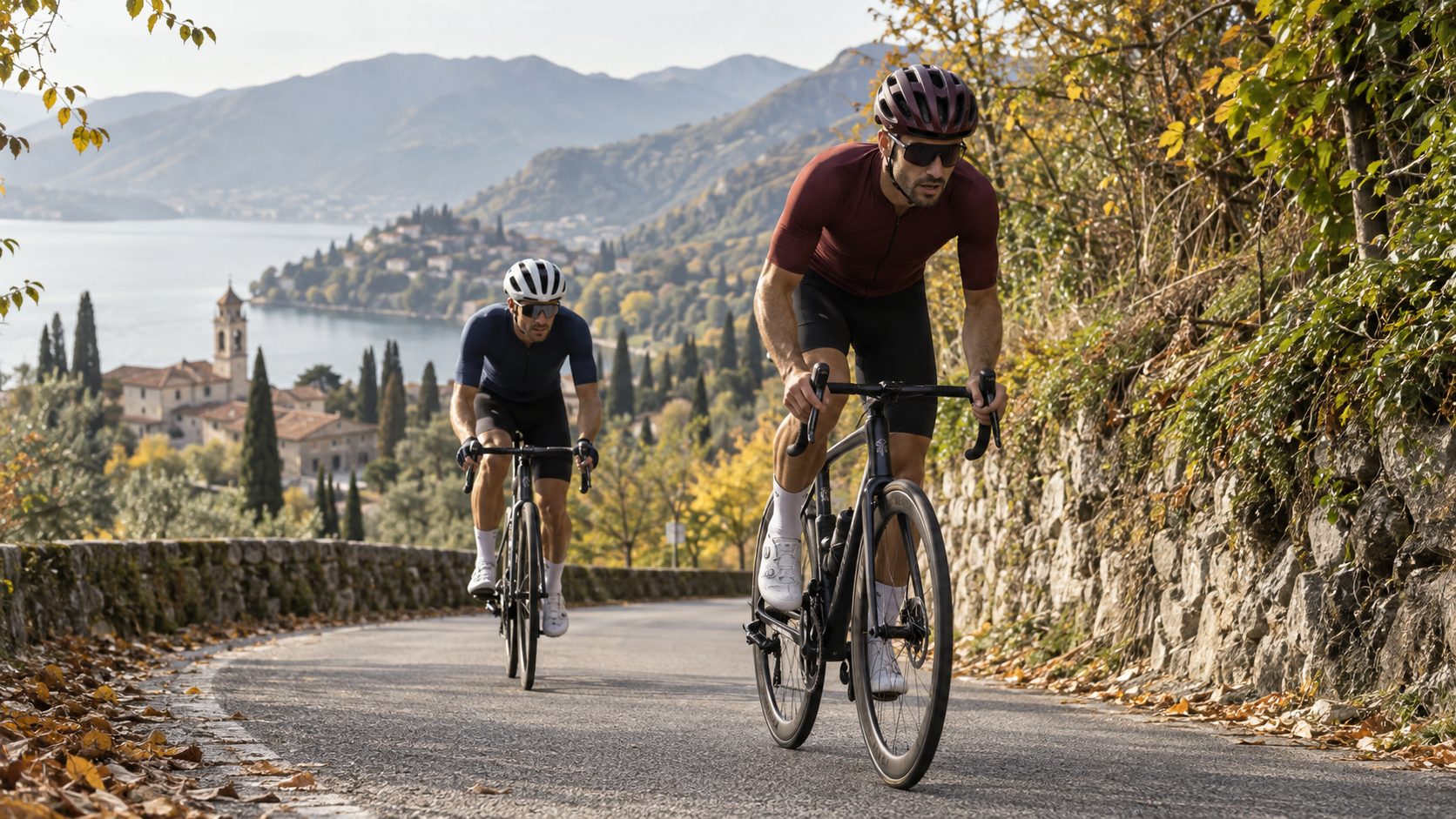
This season he was second at Strade Bianche behind Pogačar, won the overall classification at the Tour of the Basque Country with three stage wins, and triumphed at the Walloon Arrow. He took second place at Liège–Bastogne–Liège, followed by fourth on his first Tour de France start.
Those results give the new trophy concrete context. A second place in demanding classics came before his first monument win, while the Basque overall and his Tour placing showed he could sustain his level across several days. Il Lombardia is therefore a further step in a season that was already strong in results.
After the win, Seixas stressed that he does not see one race as proof that he is better than all the other favourites. He still regards Pogačar as the strongest rival and as a motivation to keep improving. That assessment draws a clear line between his historic success in Como and any further comparison with the Slovenian champion.
The season of five monuments ended with a new name at the top of the last race. Seixas now holds that trophy along with the Il Lombardia record for age, and his continued development can be tracked against the results he has already achieved across different types of competition.