
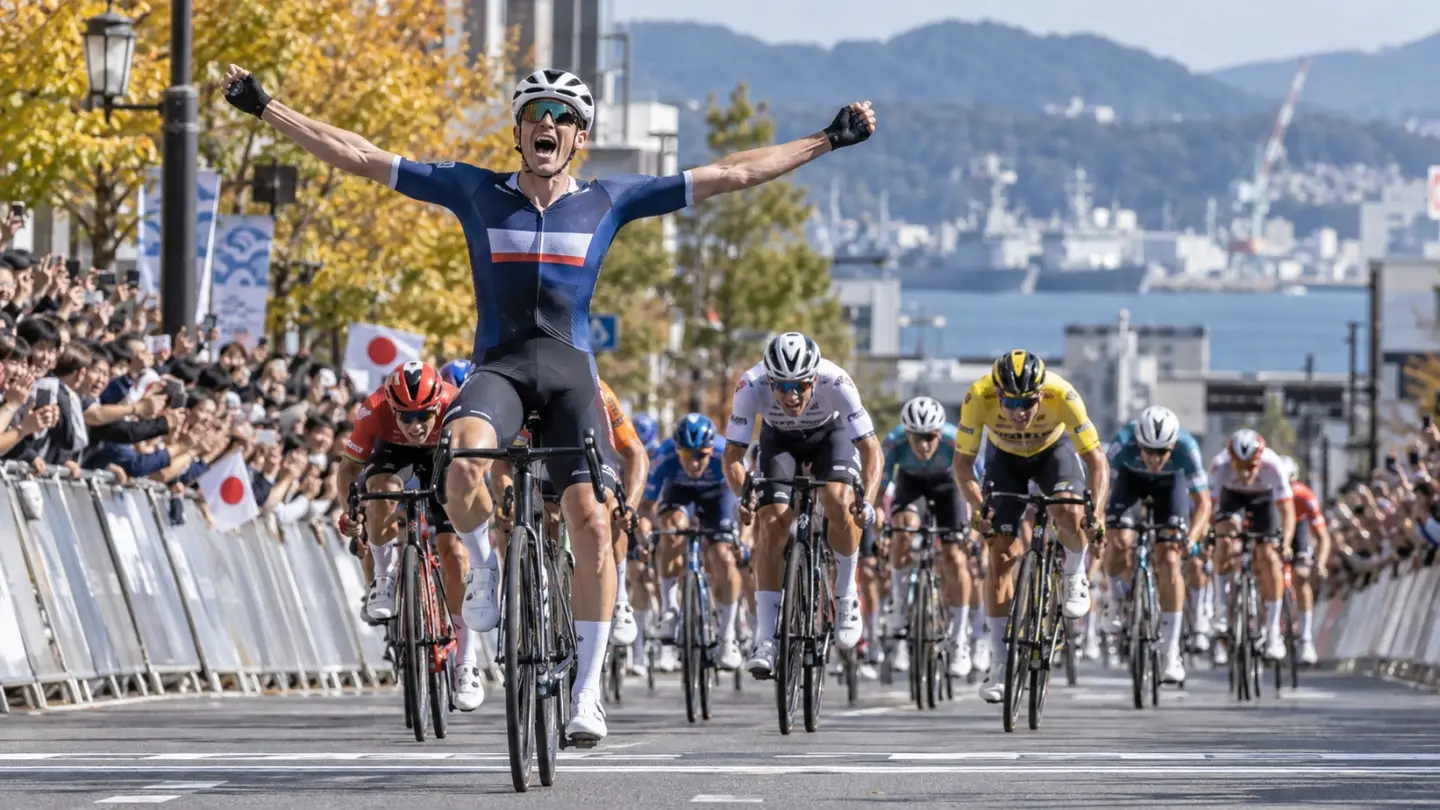
Luke Burns took victory at the exhibition criterium in Sasebo on 9 October, the opening event of the Tour de Kyushu. Acushi Oka was the top Japanese rider, and the intermediate sprint prizes went to Alessio Dele Vedove, Tomaso Dati and Zenshin Nozaki. The essentials come first: what happened, when it happened and why it matters. A practical consequence can then be weighed, with a clear line drawn between what the available information shows and what is assumed. This approach keeps the report accurate and lets the story be updated later without changing its core meaning. The next official update should therefore confirm the consequence that is now flagged as the key one.
A short city circuit demands frequent accelerations out of corners and a constant fight for front position. Burns arrived at the final section placed high enough that he did not have to spend energy passing several riders in the last few hundred metres. The wider context shows that one striking moment is not enough to judge a whole performance. A sound plan stays recognisable even when a rival responds, the pace drops or conditions change. It is therefore more useful to look at a chain of connected decisions than to single out the final move that stayed in the result. Reading the event this way gives the reader a basis for understanding both the result and the choices that led to it.
The criterium rewarded position and repeated accelerations
A team on a criterium has to control the gaps without closing every small difference too early. The final two laps call for clear roles: one rider lifts the pace, another shields the leader, and the finish is contested without hesitation. The plan has to be simple enough to carry out under pressure. The first option uses the greatest advantage, and the fallback has to answer the reaction the rivals are most likely to make. Adding new tasks without a clear reason slows the decision; a good adjustment changes only the part that is not working and keeps what already delivers the result. Execution is then judged by the clarity of the decision, the speed of the reaction and the quality of position after each attempt.
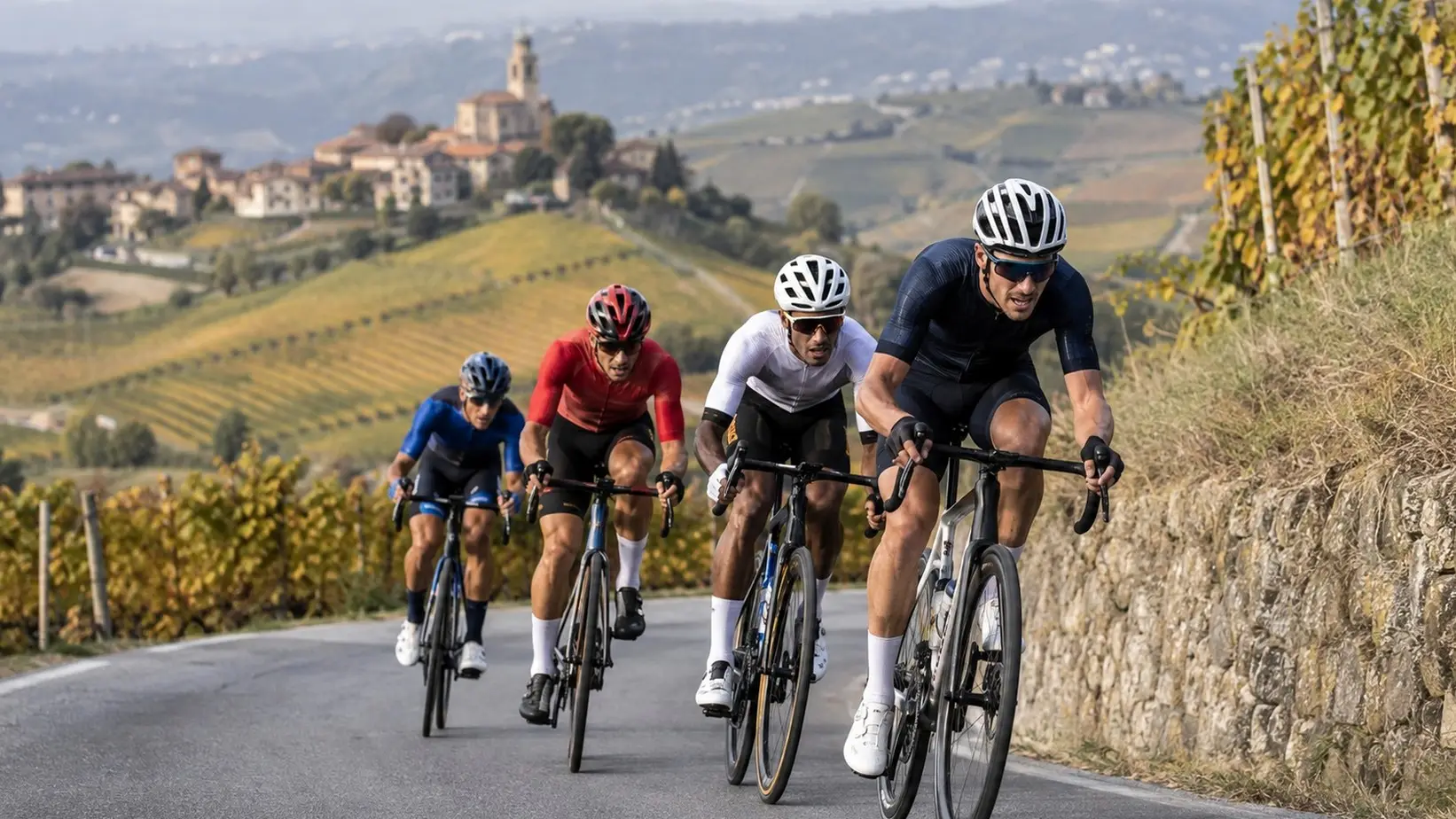
Victory in an exhibition race does not guarantee a result on longer stages. A rider who spends too much energy on sprint prizes or late braking can lose contact on a longer climb the following day. Managing risk decides how long a plan can hold. A neutral outcome sometimes preserves position, energy or possession for a better chance, while forcing a move without preparation opens the door to a counter. The balance between gain and danger shifts with time and the state of the race, so the same decision is not equally sound at the start and in the closing stage. The true measure of discipline will be how often a danger is spotted before it becomes a loss.
A real stage race now changes the kind of effort required
Useful indicators are the average position over the last five laps, the number of attacks closed down, the speed out of the final corner and the make-up of the group at the finish. The intermediate prizes alone do not show who distributed their strength best. These figures make it possible to check the conclusions drawn after the event. The final score shows the outcome, but only a comparison by period reveals where the advantage was created and whether it can be repeated. It is especially useful to separate the opening plan from decisions made under fatigue, because that is where the stability of technique and the quality of preparation become visible. Reviewing the values in sequence will show whether a change was planned, temporary or accidental.
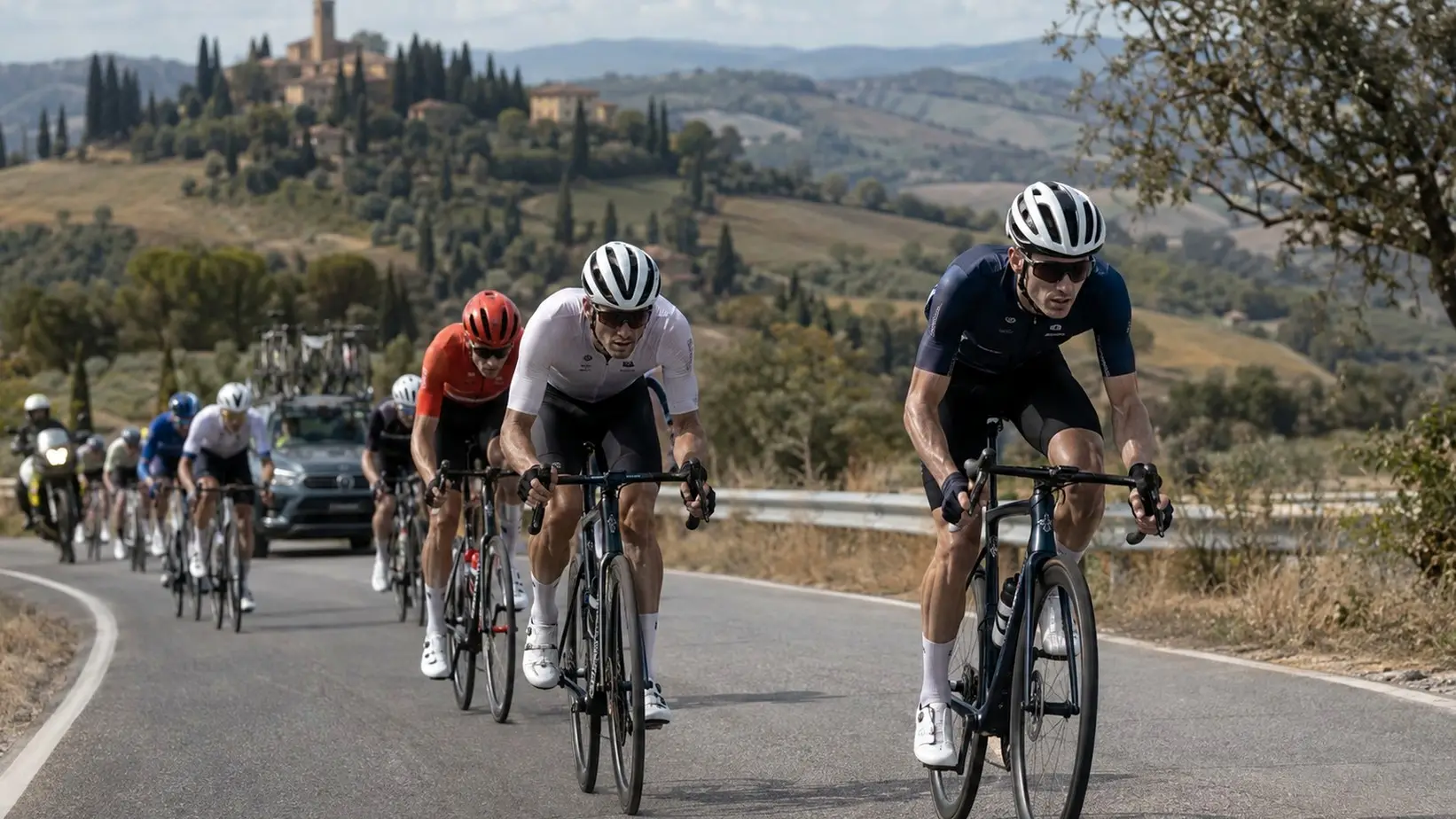
Burns gains confidence and visibility ahead of the stage section from 10 to 12 October. Rival teams receive a first signal about his form, but they must read it against a very different profile in the days to come. The significance does not end with the last point or decision. A good performance opens a new opportunity, but consistency is what confirms that a change can be sustained. A weaker result can still be useful if it produces two or three precise tasks. Changing everything at once usually hides the real cause and makes the next check harder. That follow-up gives today’s report lasting value and links the immediate outcome to the next realistic goal.
Burns solved the specific task of Sasebo well. His next test is recovery and the move from short explosive efforts to longer control, where a win is built over several hours. The conclusion must therefore stay tied to the evidence currently available. The best next check uses the same reference points under different conditions, so it can be seen what belongs to quality and what to circumstance. Repeating a good pattern against a new demand gives the assessment more weight than a single striking move. For that reason the final judgement should be updated only once a new comparable figure arrives from the official event.