
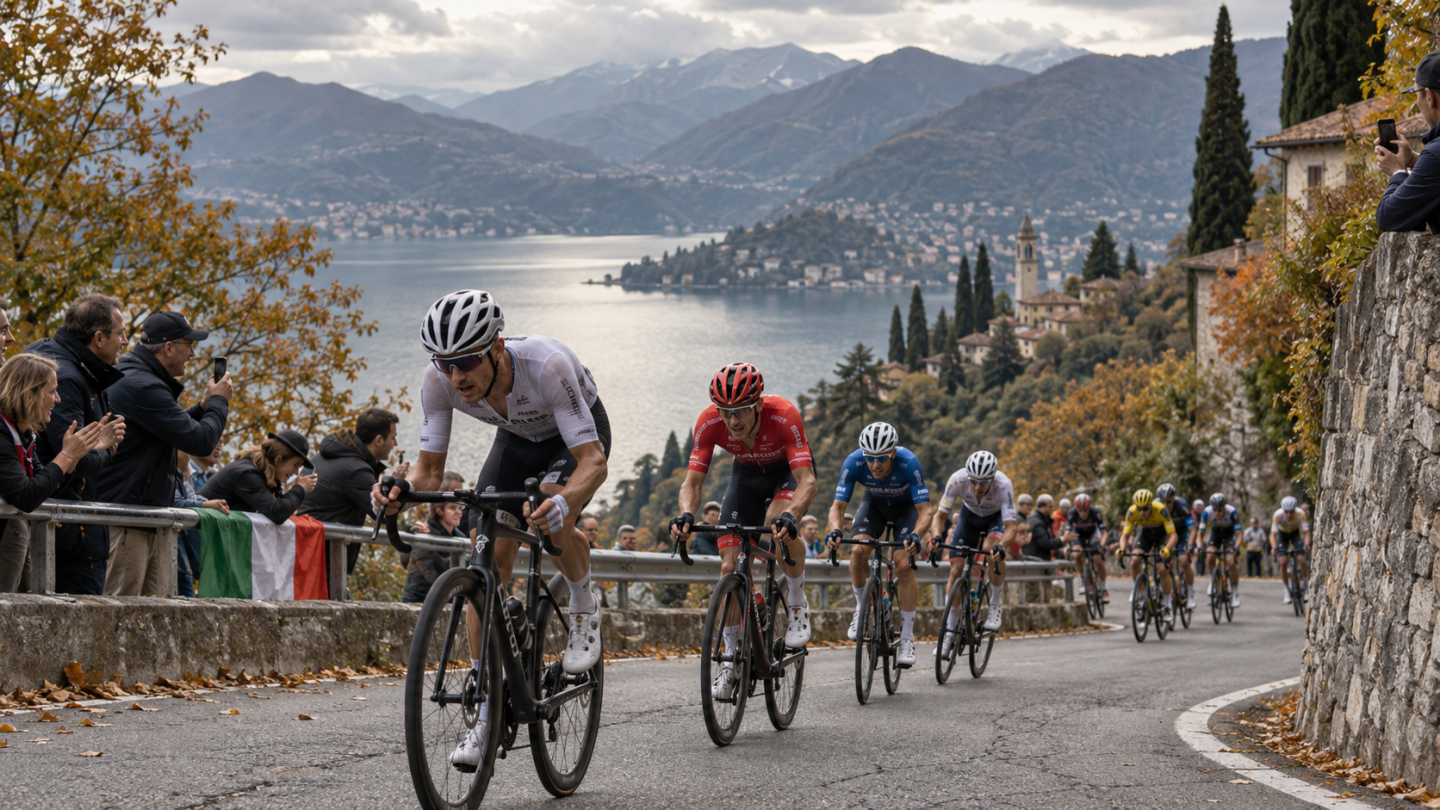
The twentieth edition of Il Lombardia, the hundredth running of the race, covers 239 kilometres from Bergamo to Como, with nine climbs and around 4,600 metres of ascent. The key answer belongs at the top: what happened, when, and why it matters. Only after that can the practical consequence be assessed, with a clear line drawn between the data available and what is assumed. That approach keeps the story accurate and lets it be updated later without changing its core meaning. For that reason, the next official update should confirm the consequence now flagged as the key one.
The final 70 kilometres bring Gisalo, Civiglio and two passes over San Fermo, so the finale again suits an early attack. The wider context shows that one striking moment is not enough to judge a whole performance. A sustainable plan stays recognisable even when a rival responds, the tempo drops or conditions change. It is therefore more useful to look at a chain of connected decisions than to single out the closing move that stuck in the result. Reading the race this way gives the reader a basis for understanding both the result and the choices that led to it.
Civiglio brings the attacks back into the classic’s finale
Teams with several options can send a helper onto Civiglio and force the favourites to commit before the final climb. The plan has to be clear enough to carry out under pressure. The first option uses the biggest advantage, and the backup must answer the rival’s most likely reaction. Adding new tasks without a clear reason slows the decision; a good adjustment changes only the part that is not working and keeps what already delivers the result. Execution is then judged by the clarity of the decision, the speed of the reaction and the quality of the position after the attempt.
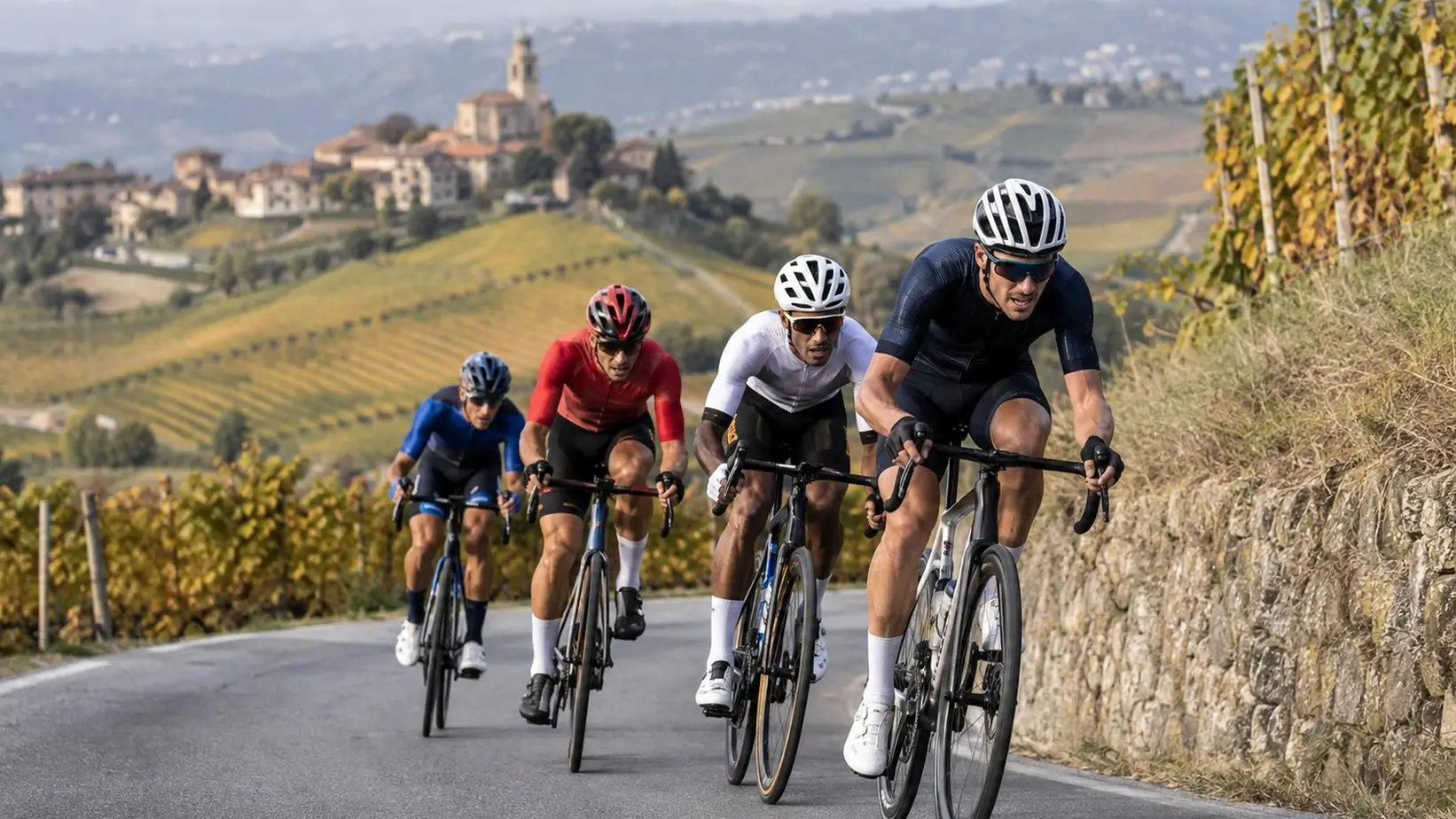
A long day and changing conditions raise the price of poor nutrition, a puncture or entering a technical descent too late. Risk management decides how long a plan can survive. A neutral outcome sometimes preserves position, energy or possession for a better opportunity, whereas forcing things without preparation opens the door to a counter. The balance between gain and danger shifts with time and the result, so the same decision is not equally good at the start and in the finale. The real measure of discipline will be how many situations had their danger recognised before they became damage.
Without Pogačar, the number of realistic scenarios grows
Watch the gap at the top of Civiglio, the number of helpers before the first San Fermo and the time lost on the descents. These figures make it possible to test a conclusion after the event. The final score shows the outcome, but only a comparison by sections reveals where an advantage was built and whether it can be repeated. It is especially useful to separate the starting plan from decisions taken under fatigue, because that is where the stability of technique and the quality of preparation show. If the figures are read in sequence, it will be clear whether a change was planned, temporary or accidental.
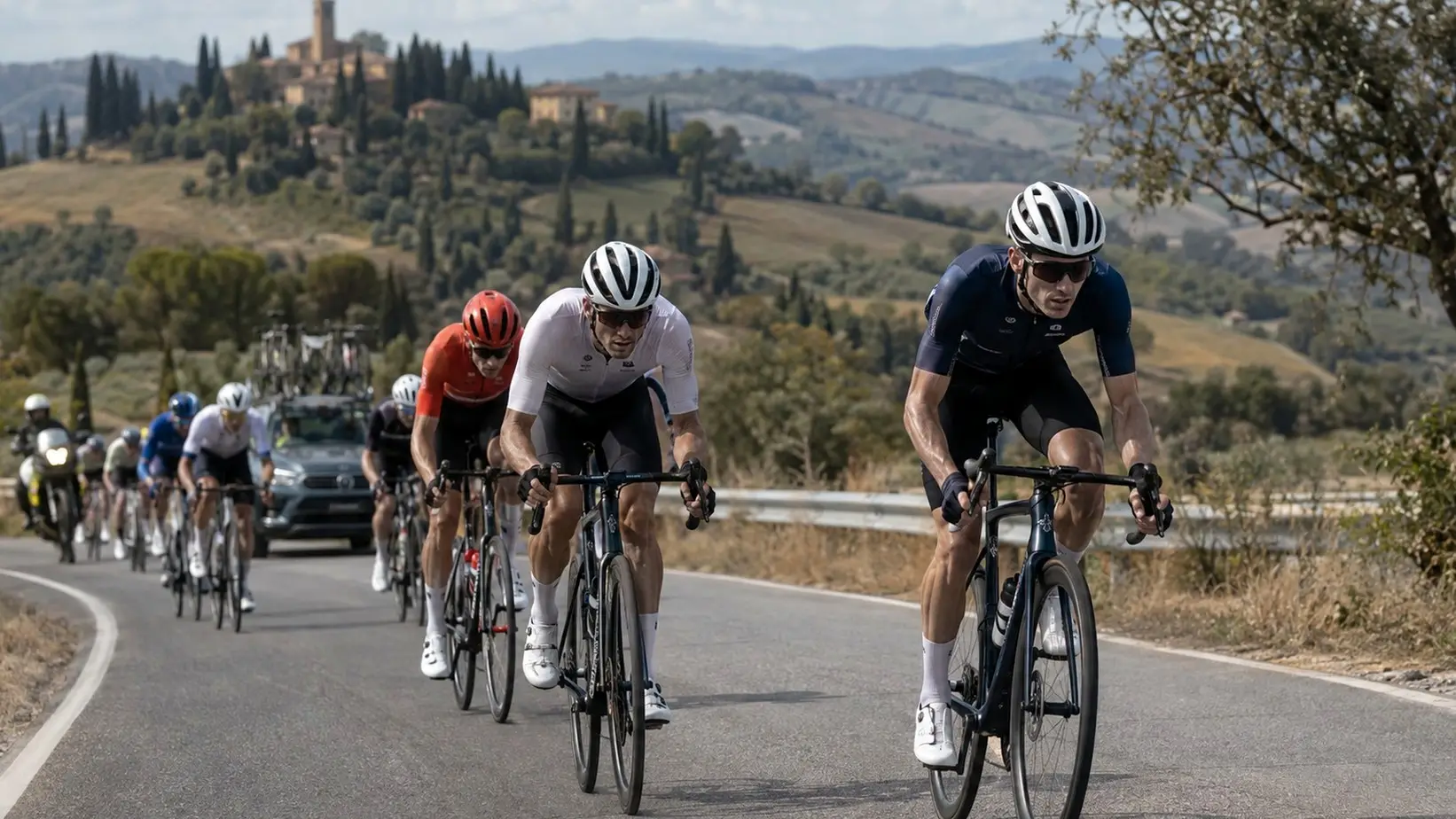
Il Lombardia closes the Monument season and gives riders who had previously stayed in the shadow of a dominant winner their chance. Its significance does not end with the last point or the last decision. A good performance opens a new opportunity, but consistency is what confirms that the change can last. A weaker result can still be useful if it produces two or three precise tasks. A broad overhaul of everything usually hides the real cause and makes the next check harder. That follow-up gives today’s story lasting value and links the immediate outcome to the next realistic goal.
The route rewards a complete climber who can attack, descend without losing time and endure 239 kilometres. The conclusion must therefore stay tied to the evidence currently available. The best next check uses the same control points in different conditions, so it becomes clear what belongs to quality and what to circumstance. Repeating a good pattern against a new test gives the assessment more weight than a single striking attack. That is exactly why the final verdict should be updated only when a new comparable figure arrives from the official event.