
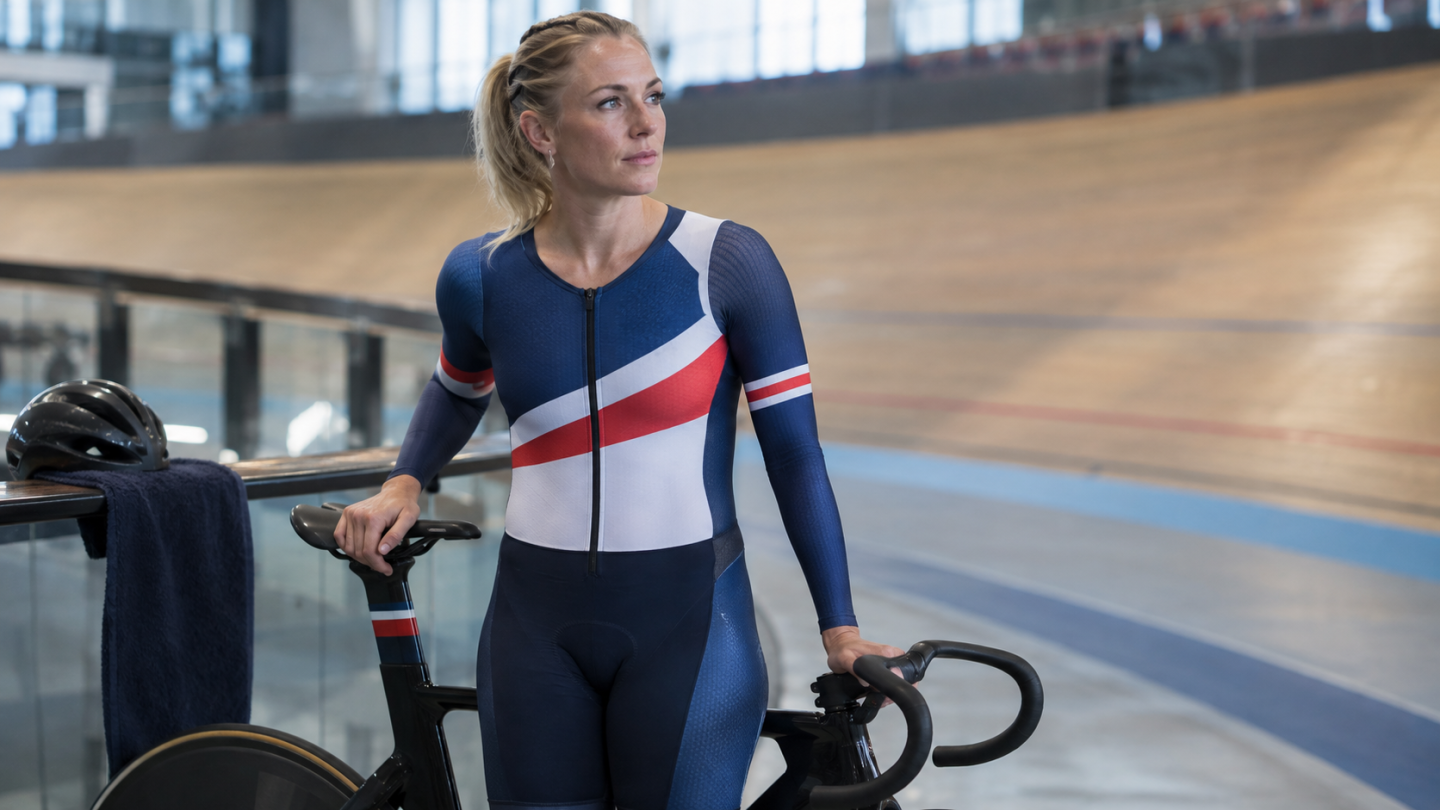
Katie Marchant, Olympic champion in the team sprint, has brought her track cycling career to an end at the age of 33. The British rider took gold in Paris 2024 alongside Emma Finucane and Sophie Capewell, and this summer she won silver at the Commonwealth Games in Glasgow. She had been weighing up a run at the Los Angeles Olympics in 2028, but after 13 years in the national team she chose not to sign up for another two-year preparation cycle.
Why she decided to step away now
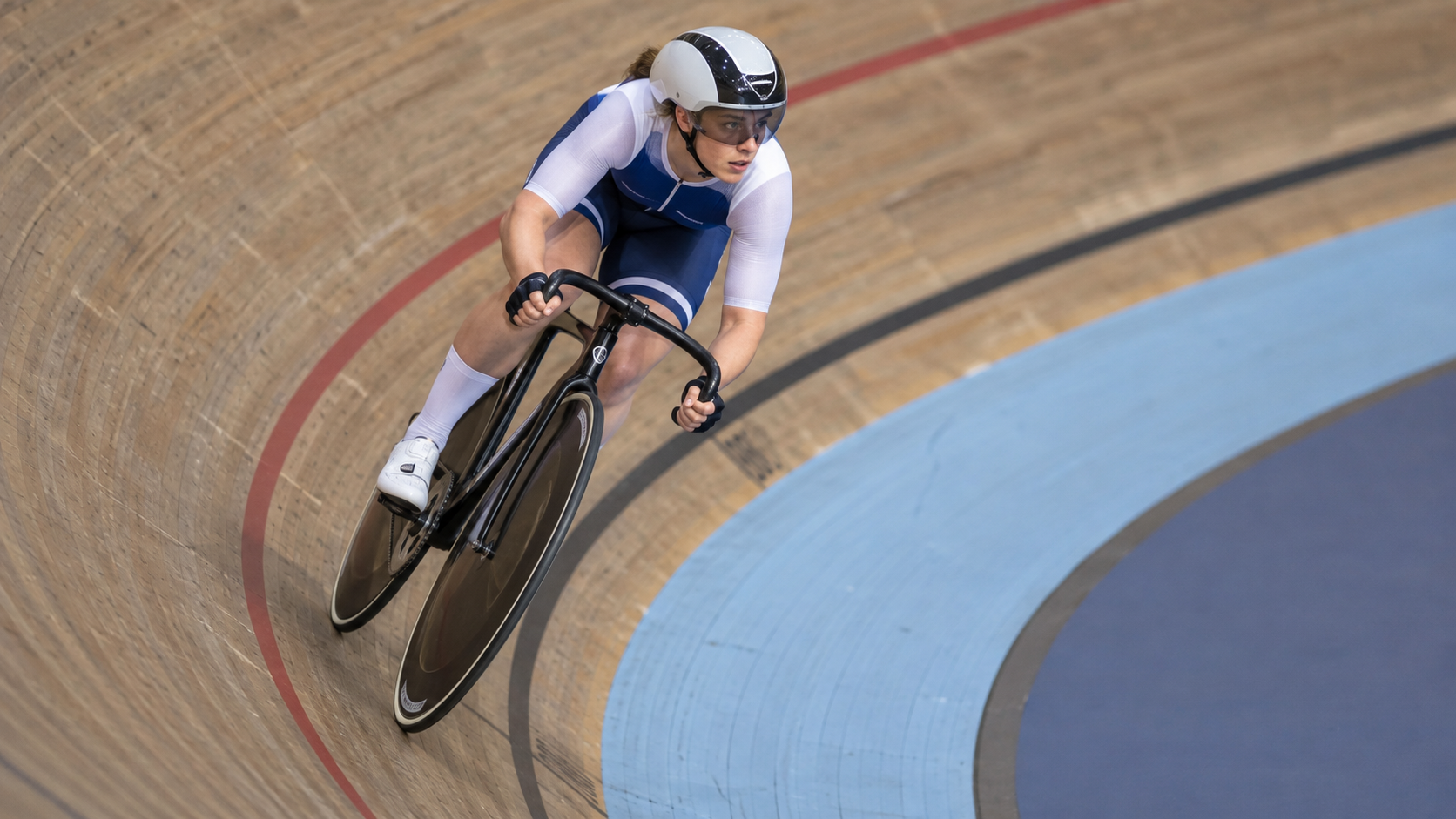
Marchant explained that the decision had nothing to do with being unable to compete at the highest level. She believes a new Olympic cycle would demand the same level of sacrifice and training all over again, and she no longer wants to commit to that. The distinction matters: she is retiring as the reigning Olympic champion, not because a single poor result cost her a place in the squad. She finished her last major competition with a medal, which gave her the chance to choose when to leave.
Her first thoughts about ending her career came during the Commonwealth Games. With the team she won silver in the sprint, and her final event was the keirin, where she finished fifth. Emma Finucane won that race. Marchant had already been discussing with her teammate the possibility that it would be their last day of racing together. The sequence of events shows the decision took shape while she was still on the track, not only after the season had finished.
Los Angeles 2028 was a realistic target, but it would also mean extending the daily demands of elite sport for another two years. Marchant had previously said she wanted to defend her Olympic title. It is now clear that the British lineup for the next Games will not depend on her. That does not diminish her Paris result: alongside Finucane and Capewell, she became part of the first British women’s crew to win Olympic gold in the team sprint.
From individual bronze to a team world record
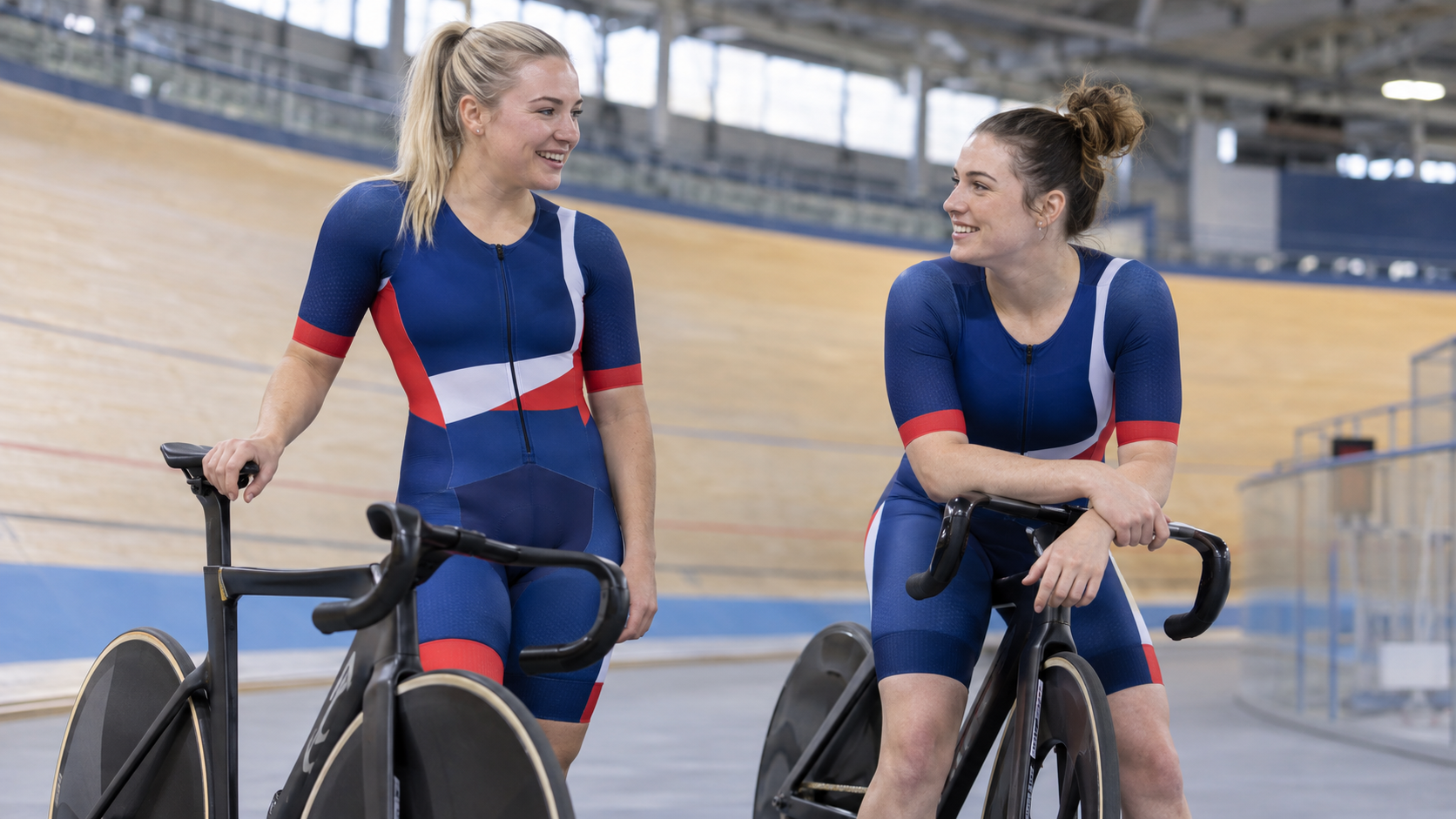
Marchant did not start out as a cyclist. As a teenager she competed in the heptathlon, and she joined British cycling’s programme in 2013. Only three years later she won bronze in the individual sprint at the Rio Olympics. Her route from a late entry into the sport to an Olympic podium explains why her achievements cannot be reduced to one successful team performance in Paris.
After Becky James retired in 2017, Marchant was for a time the lone British woman sprinter at the highest level. She secured her Tokyo place without a team that could contend for a medal in the team sprint. The British programme later built a stronger group of sprinters. With Finucane and Capewell she won Olympic gold and set a world record, so her departure also marks a change for a squad that has reached the top of the sport.
The year 2024 brought her several different titles: European gold in the 500 metres time trial, and both Olympic and world titles in the team sprint. The spread across disciplines reflects the breadth of her results. The time trial measures speed individually, while the team sprint demands coordinated work from several riders over a short race. The Olympic success was shared, but her contribution came after years of experience in individual sprint events.
Returning after injury and two births
Marchant took a break in 2022 for the birth of her first son, Arthur, then returned to competition and went on to win gold in Paris. At the end of 2024 she suffered a serious crash at a track event in London, injuring her arm and fingers. The following year she gave birth to her second son, Walter, and then made yet another return to elite sport before the 2026 Commonwealth Games. Because of this series of comebacks, her final silver medal carries a different context from an ordinary closing performance.
Marchant stressed that she would like her comebacks to encourage athletes who plan to start a family during their careers. Her experience includes two births, recovery from a serious injury and a return to the national team. These are not guarantees that every athlete will follow the same path, but they are a concrete example that motherhood did not automatically mean the end of top-level competition in her discipline.
For the British team, the next challenge will be to preserve the speed and stability of the champion lineup without its most experienced member. For Marchant, her competitive career ends with Olympic gold, a world and a European title, individual bronze from Rio and her final silver from Glasgow. Her decision changes the plans for Los Angeles, but it does not erase the continuity of results she built from 2013 to 2026.