
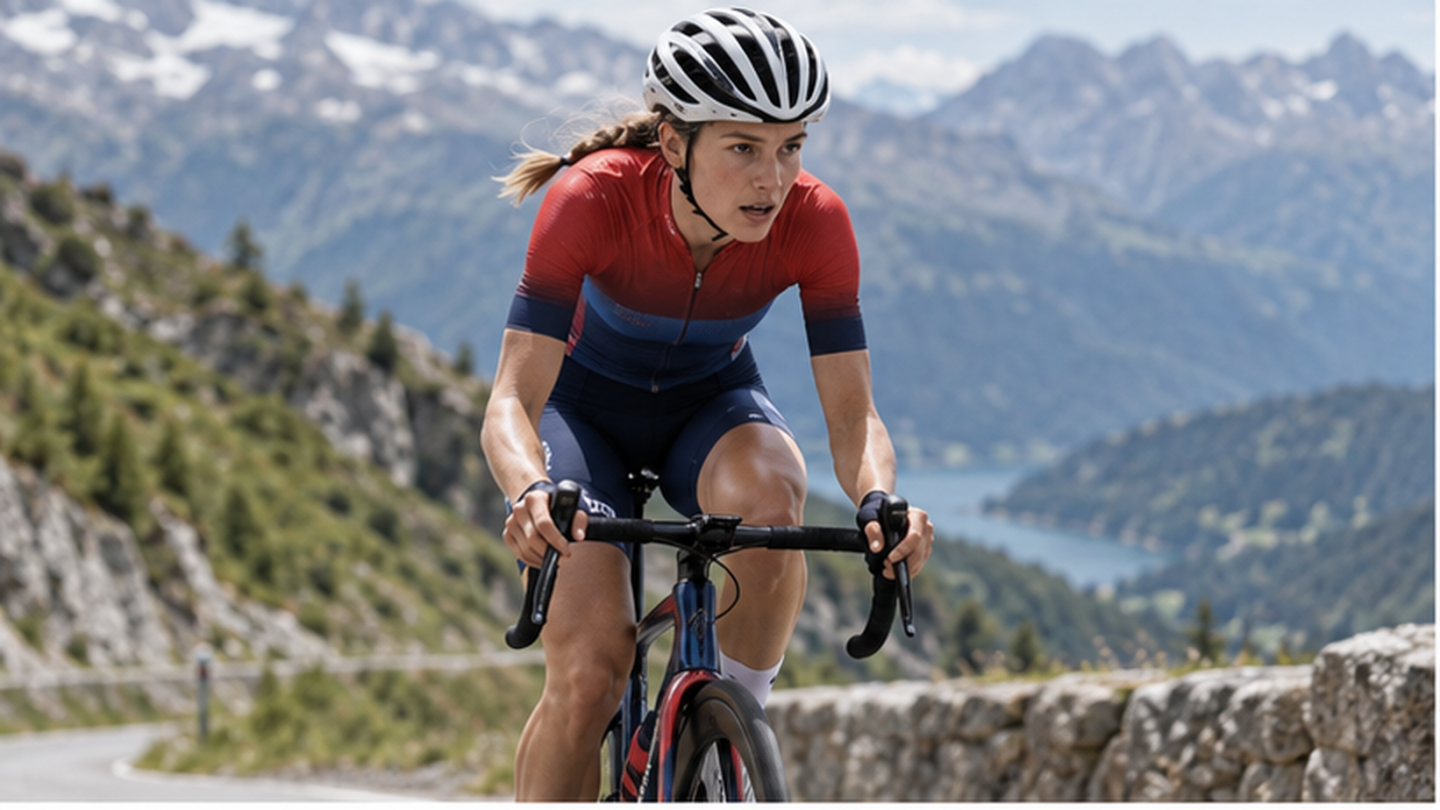
Kasia Niewiadoma-Phinney will switch to Lidl-Trek at the start of the 2027 season and ride for the new team until the end of 2028. The Polish rider is leaving Canyon-SRAM after nine seasons and changing teams at a time when she still counts among the leading contenders for the biggest stage races. Lidl-Trek confirmed the move, presenting her as a future leader for the hilly classics and the general classification, and as an experienced support figure for the development of younger riders.
Niewiadoma won the Tour de France Femmes in 2024, defending the yellow jersey by just four seconds in a dramatic finish on the Alpe d’Huez. This season she again finished second overall and won on the Mont Ventoux, then took silver at the road World Championships. Those results explain why the transfer is more than a change of jersey. Lidl-Trek gains a rider who can take responsibility on the most important days of the season.
Why Lidl-Trek is investing in a new leader
The team wants more options in races decided on long climbs and through repeated attacks. Niewiadoma rarely waits for a sprint from a small group; she is willing to accelerate early and force her rivals to spend their helpers. That style suits a team trying to control classics and stage races with several tactical cards in hand. Her experience of defending a leader’s jersey is also valuable when a result is built over seven or eight days.

The transfer also raises the question of how roles will be divided. A strong team does not work if every major rider is given the same goal without a clear plan. Lidl-Trek must decide in advance who leads at each race, who attacks on which stages and how support is allocated when several members are well placed. Niewiadoma arrives as a big name, but the quality of the project will depend on how well her ambitions fit alongside the current leaders and the young talents.
A fresh attempt to win the Tour
The main goal remains another victory at the Tour de France Femmes. Her 2024 title showed she can handle the pressure, while second place this year confirms her consistency. At Lidl-Trek she will look for stronger support on the flat stages and in the mountains, so she can save energy for the decisive climbs. The two-year contract gives enough time for two attempts, but leaves little room for a long period of adapting to the system and equipment.
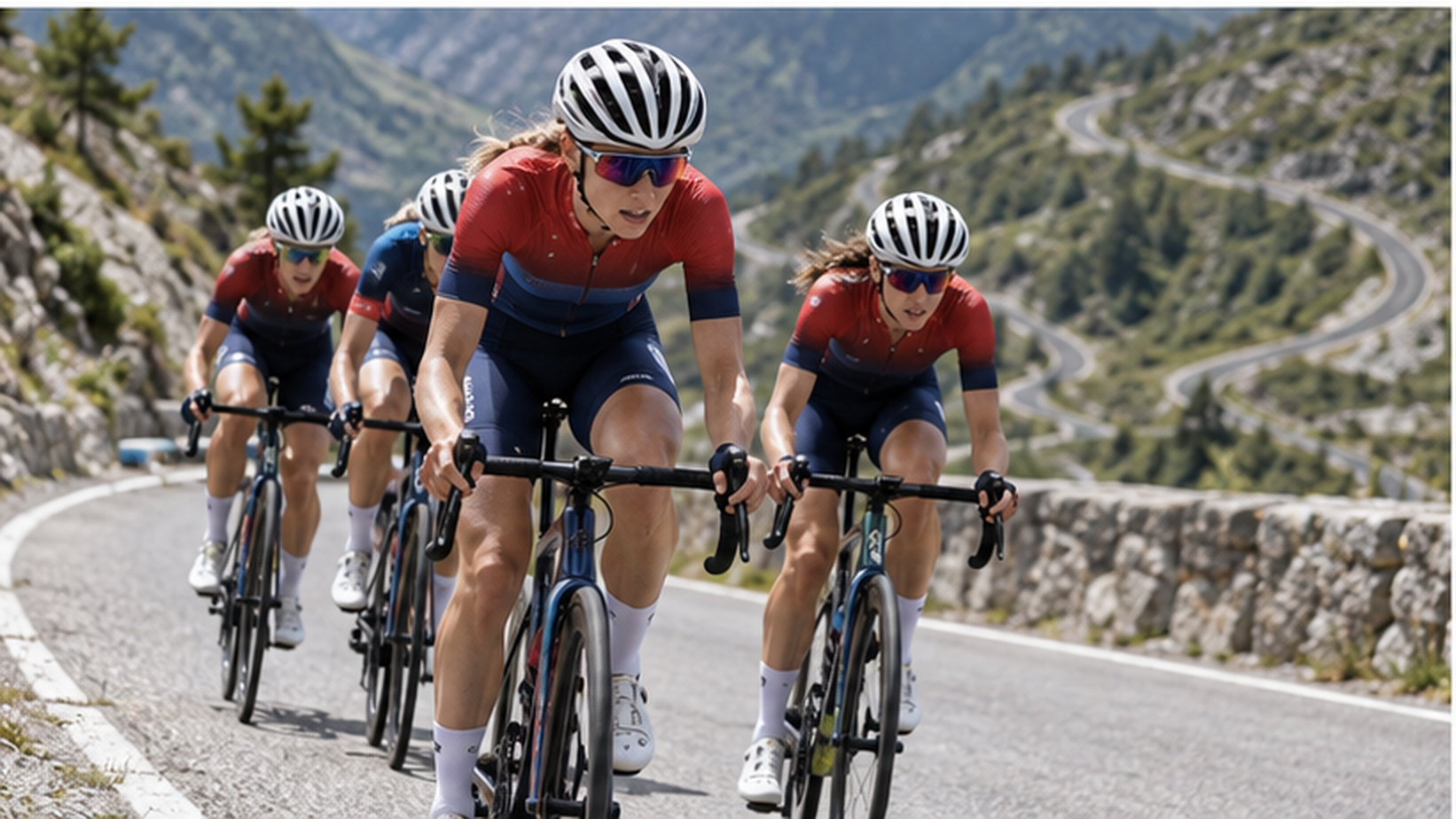
Several months remain before the first joint preparation, so the full picture will only take shape once the calendar and race squads are announced. Key indicators will be her role in the spring classics, the number of helpers she gets at stage races and how the team responds when plan A fails. The move is already one of the biggest on the market: Lidl-Trek gains a proven winner, while Niewiadoma gets a new structure to chase the most prized trophies.
Canyon-SRAM is losing the rider around whom it built its biggest stage race goals for years, so its response will also be an important part of the market. Her departure frees up budget and space in the hierarchy, but it demands a new division of responsibilities. The team can bring in a replacement or accelerate the development of its existing group. For the women’s peloton, transfers of this level change how rivals assemble their Tour squads, since helpers who once protected one leader may now be given different roles.
Niewiadoma must adapt to a new bike, riding position, support staff and in-race communication. Small differences in setup can affect comfort during multi-hour stages, especially in time trials and on long climbs. Winter camps will therefore be more than an introduction to her new teammates. Biomechanical testing, equipment trials and agreements on nutrition will determine how quickly she can carry her known level into a new environment. Early results should be judged through that process, not through a single February appearance. Patience will matter.