
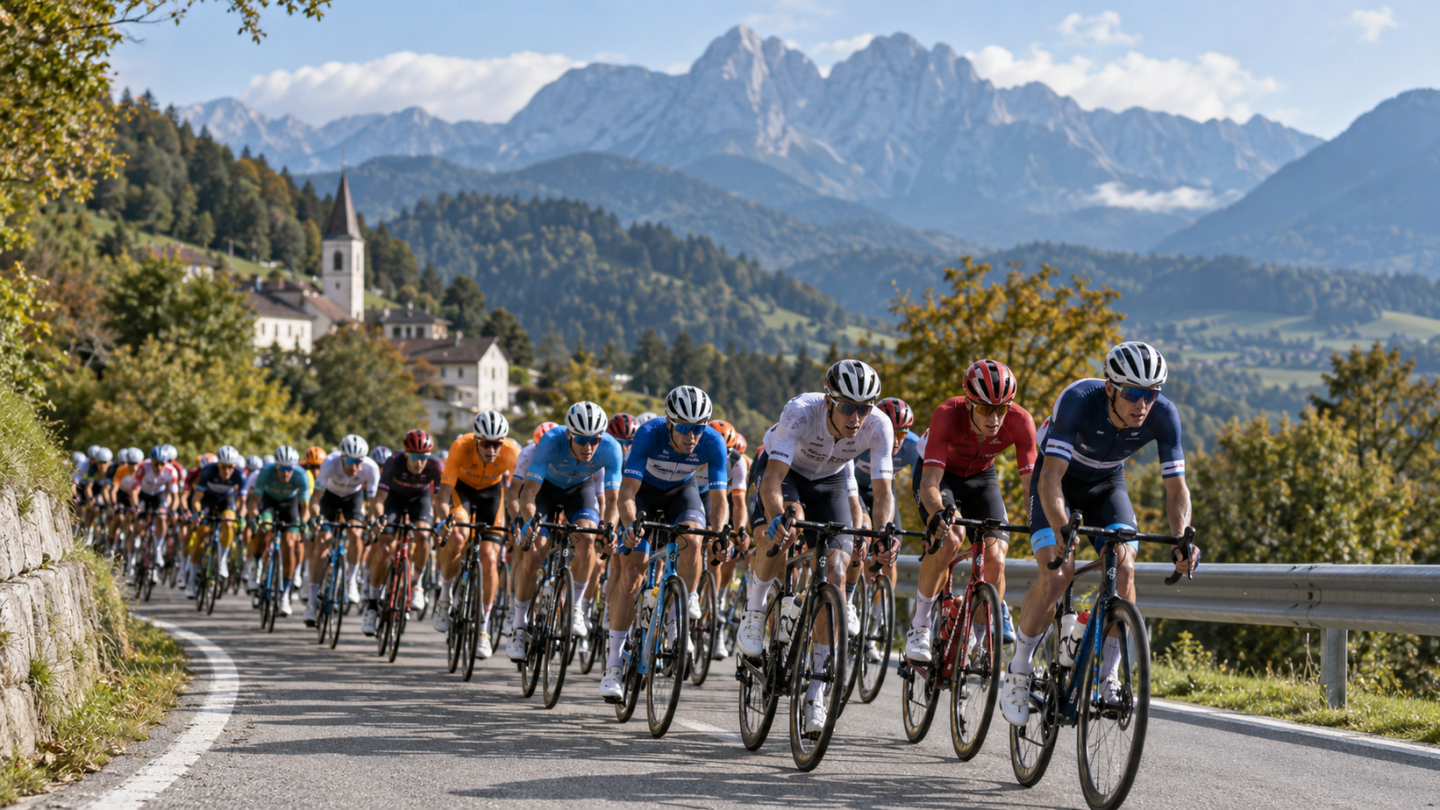
The European Road Cycling Championships have opened in Slovenia, where 14 races will be staged between 2 and 7 October. Organisers expect more than 800 riders from over 50 countries, which makes the event the largest cycling competition in the history of independent Slovenia.
Ljubljana and Šenčur are the main hubs of the championships, while the course also passes through ten other municipalities. The final lap includes a demanding climb towards Možjanca, so results will not hinge on the closing sprint alone. Positioning before the ascent and the way riders distribute their effort will be decisive in every age category.
The programme opens with an 88.4-kilometre road race for women under 23. Over the following six days come the junior, U23 and elite contests, along with a mixed team time trial. The varied formats demand a deep squad and precise logistics from every national selection.
The selective circuit punishes poor positioning
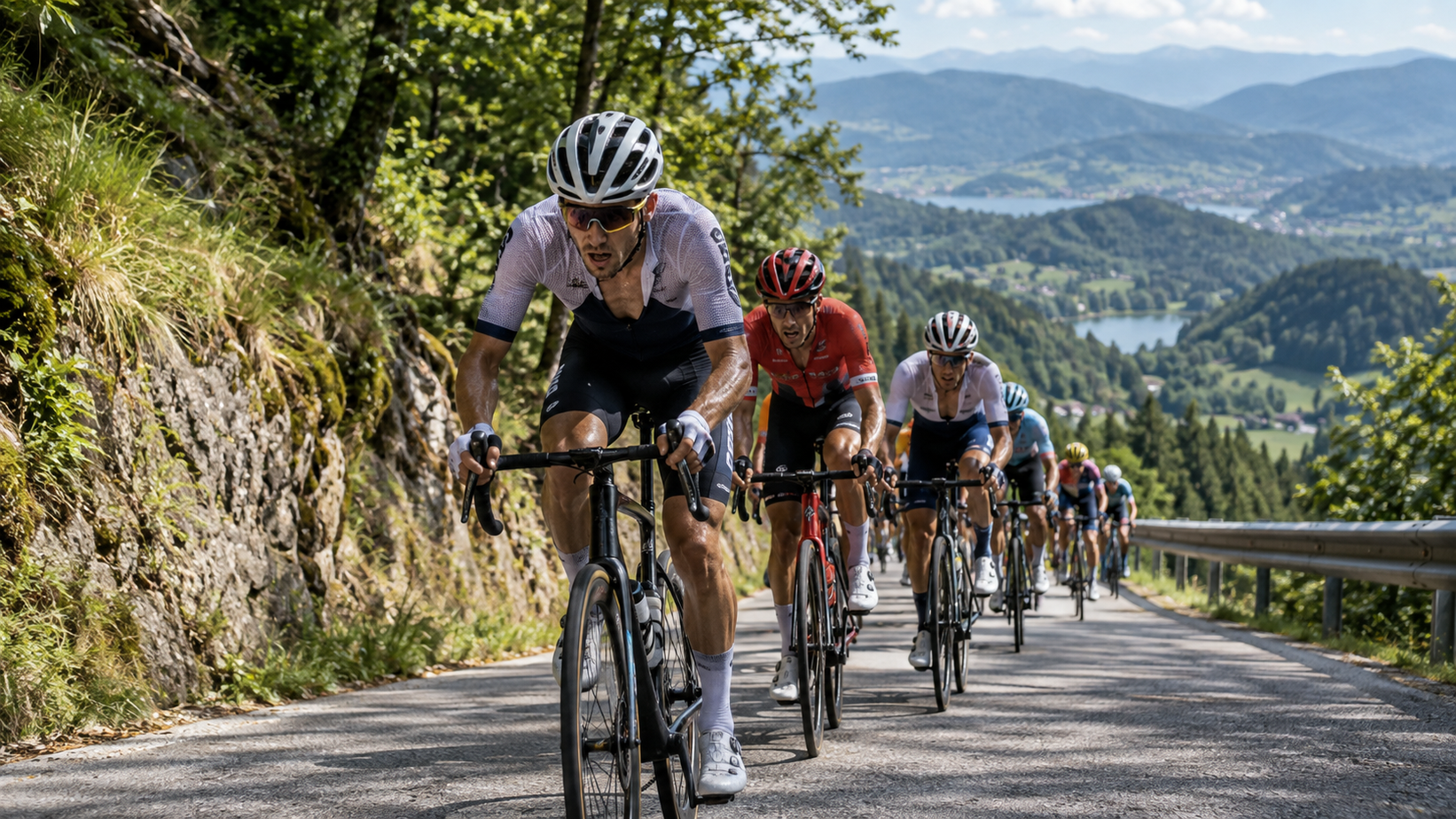
The climb towards Možjanca is not long enough to decide each race on its own, but it suits repeated attacks. Riders who drift too far from the front will spend extra energy closing the gap. For that reason, teams will try to shield their leader and take up position before the road narrows.
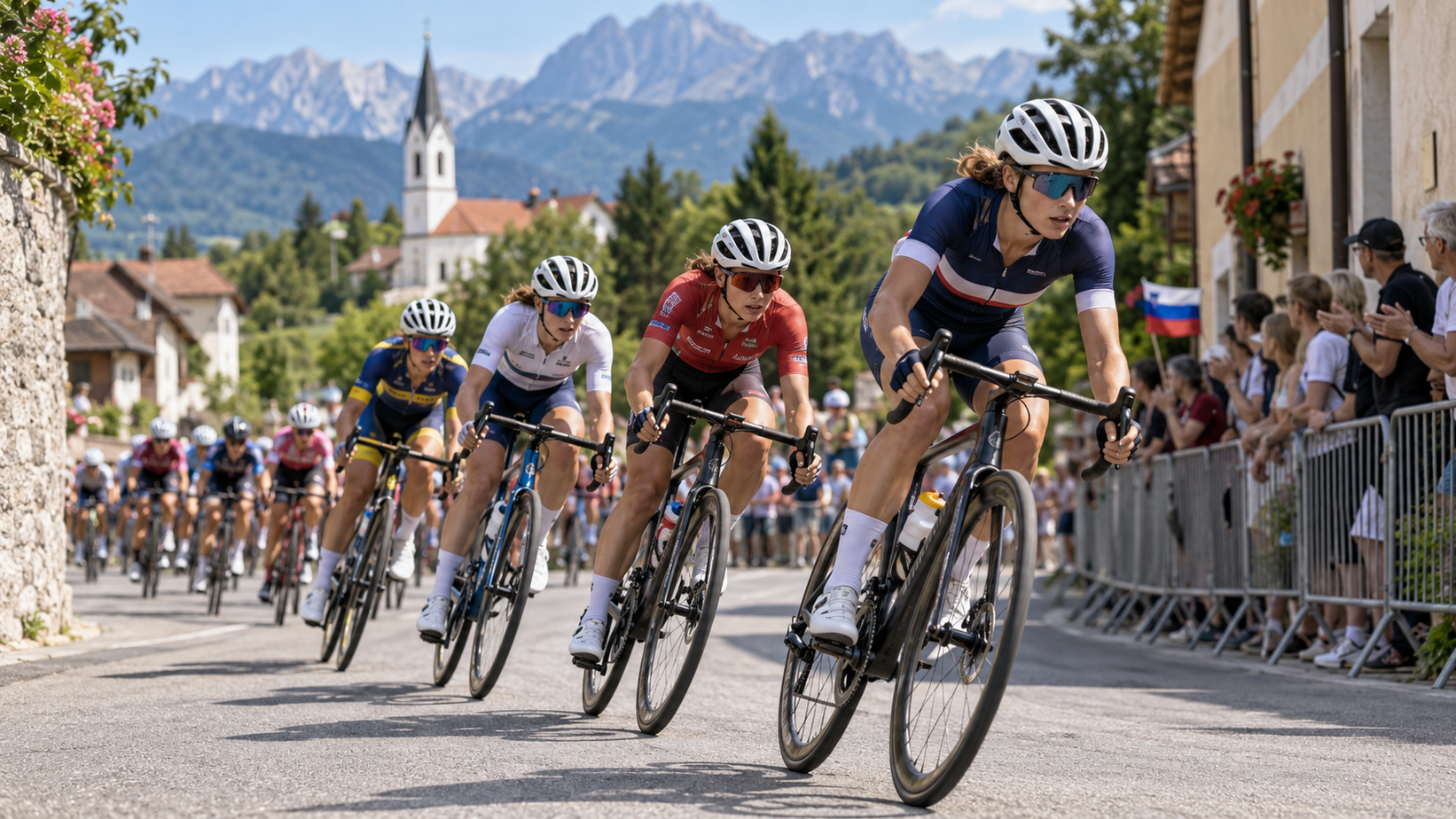
The descent and technical sections after the climb may matter just as much. A rider who builds a small lead must choose a line free of unnecessary risk, while a chasing group has to organise quickly. If the bunch hesitates for even a few seconds, the gap on a short European course can become decisive.
The mixed time trial puts the weight on consistency rather than on a single star. Turns must be long enough to keep the speed up, yet not so long that they exhaust the weakest link. Coaches therefore settle the order, the signal for changing and a plan for mechanical trouble in advance.
The host faces a major sporting and organisational test
The championships arrive straight after the world programme, so recovery will be a big factor. Some favourites bring top form, but also the fatigue of travel and a long race. Teams will watch sleep, nutrition and how the legs feel closely before deciding who is given licence to attack.
Slovenia as host has a quota of 42 starters across the categories. That gives younger riders a chance to gain experience in front of a home crowd, but it also raises expectations. The organisers must coordinate road closures, safety and the movement of support vehicles across several municipalities.
Tadej Pogačar’s absence through injury changes the elite race, but it does not lessen the quality of the championships. A wider group of contenders is likely to attack earlier, since there is no single rider everyone is waiting for. That balance of power may produce a more open race and reward the team that best judges the right moment to strike.
The first day will give organisers data on the passage of the convoy, the safety of junctions and the real time needed to close the roads. It will show the sports directors where the bunch stretches out most and how the wind affects the exposed parts of the route. That information will shape preparation for the races that follow. A European title is won on the road, yet a careful analysis of the earlier categories often gives elite teams a small tactical edge before the start. The next outing or the official result will show how far this conclusion holds under fresh pressure. The figures should be read together with the strength of the opposition, the conditions and the decisions taken at key moments. It matters to separate a single result from a longer trend: one success confirms good preparation, but only repetition shows stability. The coaching staff should therefore track a few clear indicators, compare them with the previous outing and change only what has proven to be a weak point. That approach protects confidence while leaving room for improvement. The reaction of immediate rivals will also count, since preparation shifts as soon as an opponent recognises a successful pattern. For that reason the analysis should cover situations where the original plan did not work. The best performances come when a team or athlete keeps the core strength intact and makes a small, well-timed adjustment during the event.