
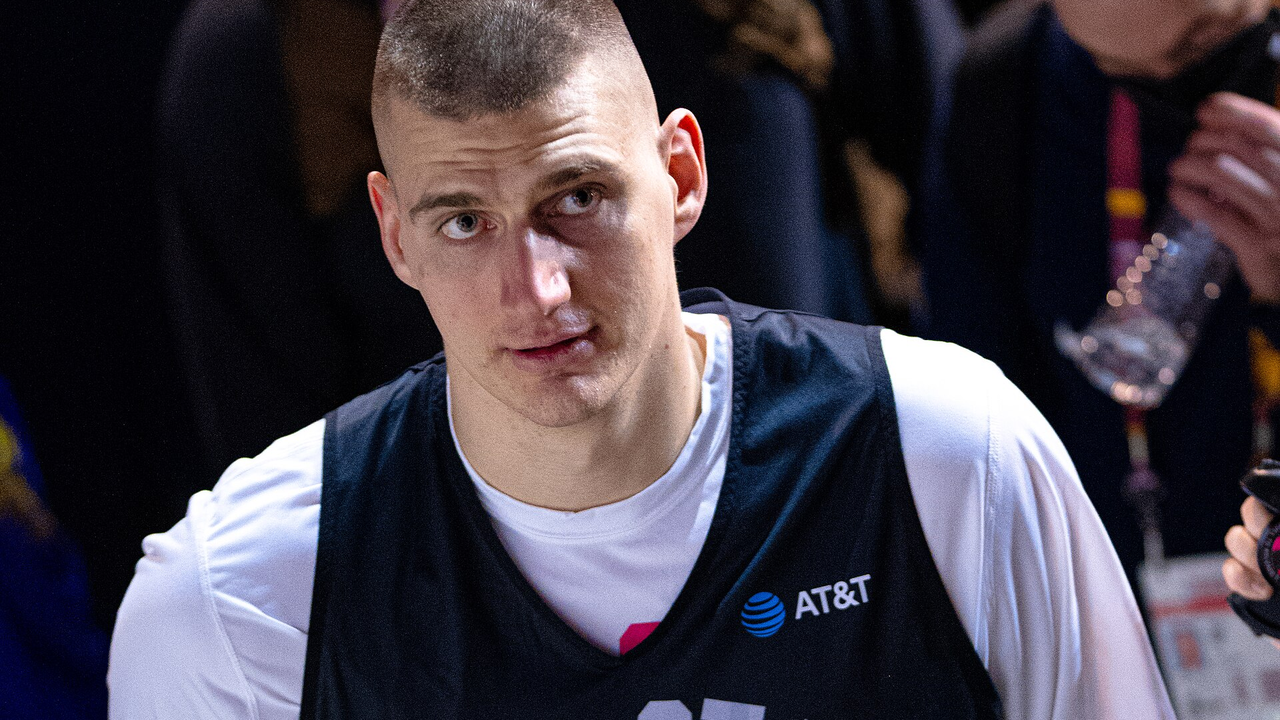
Serbia open camp for Mundobasket 2027 qualifiers with a roster packed with NBA talent
Head coach Dušan Alimpijević has announced an expanded 18-player squad for the European qualifiers window for the 2027 FIBA Basketball World Cup, with the group gathering in Belgrade on 22 June 2026 to begin preparations. The headline is the presence of three active NBA players, led by Denver Nuggets centre Nikola Jokić, a core that gives Serbia the firm grip on its qualifying group that the coach has been aiming for.
Jokić is joined from the NBA by Nikola Jović of the Miami Heat and Tristan Vukčević of the Washington Wizards. Their arrival gives Alimpijević a frontcourt and wing rotation built around proven high-level efficiency and physical strength, and sets the tone for a window in which Serbia wants to turn its early edge in the group into momentum towards qualification.
Bogdanović left off the wider list
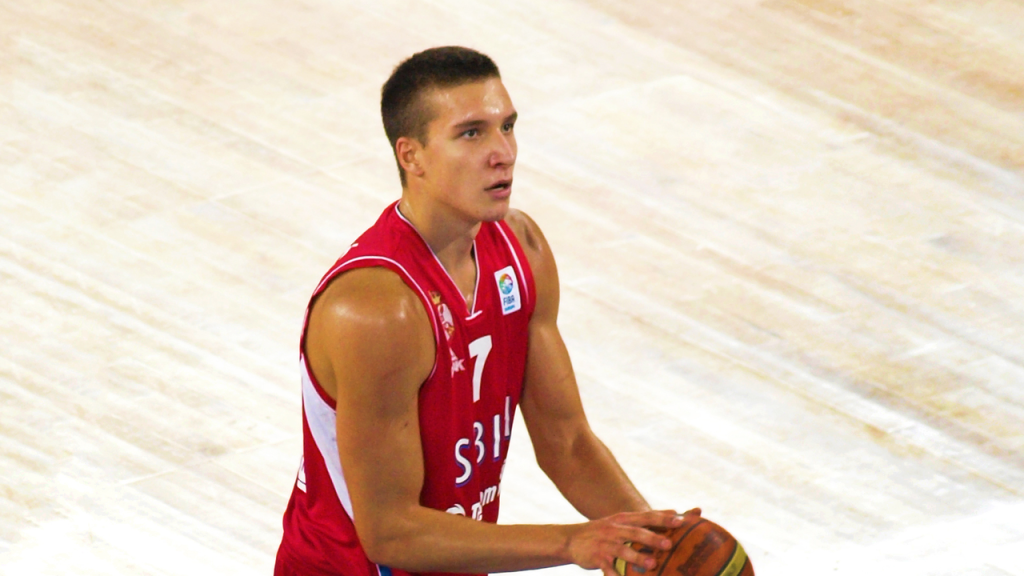
The most striking absence from the wider list is Bogdan Bogdanović, a longtime guard who anchored the senior Serbia side in recent cycles. With Bogdanović not on the roster for this window, Alimpijević will lean on the available group of guards and on the experience Jokić brings to the floor, while younger players get a clear chance to establish themselves in the rotation.
These 18 names are a starting point rather than a final selection. Alimpijević will trim the group during camp, using training sessions and one closed-door warm-up match to determine who travels for the official games.
Schedule: camp, closed warm-up, then two qualifiers

After the squad assembles on 22 June, the centrepiece of the preparation phase is a warm-up against the Czech Republic on 27 June in Belgrade. That match is closed to the public, giving the coaching staff a controlled setting to try out combinations before games that count.
From there the window shifts to the official qualifiers. Serbia travel to face Switzerland on 2 July, before returning home to host Bosnia and Herzegovina in Belgrade on 6 July 2026. Those two results will shape the group considerably, and the home clash with Bosnia carries particular weight given how tightly the standings are bunched.
- 22 June 2026 — The squad gathers in Belgrade
- 27 June 2026 — Warm-up match against the Czech Republic, Belgrade (closed to the public)
- 2 July 2026 — Switzerland — Serbia (qualifier, away)
- 6 July 2026 — Serbia — Bosnia and Herzegovina, Belgrade (qualifier, at home)
How Group C looks ahead of the window
The qualifying picture explains why this window matters. After four rounds, Turkey lead the group, while Serbia and Bosnia are level just behind and Switzerland are in pursuit. The margins are slim, which raises the stakes in both Serbia games: the trip to Switzerland and the home meeting with their direct rivals from Bosnia.
| Group C (after 4 rounds) | Points |
|---|---|
| Turkey | 8 |
| Serbia | 6 |
| Bosnia and Herzegovina | 6 |
| Switzerland | 4 |
With Serbia and Bosnia level on points, the 6 July match in Belgrade is effectively worth a four-point swing in the race for the top of the table. A win in that game, alongside a result in Switzerland, would let Serbia consolidate their qualifying position and put pressure on Turkey at the head of the group.
A different competition from EuroBasket
It is worth stressing that this is a qualifying window for the 2027 World Cup, a competition separate from EuroBasket. The structure of these qualifiers, with international windows spread across the calendar, means Serbia must manage player availability carefully from one window to the next, and the presence of NBA players such as Jokić, Jović and Vukčević for this particular window is a significant boost.
For reports on Serbia’s recent senior matches in other sports, see our piece on the men’s national volleyball team’s week in Orleans and on the tight clash with the United States, both of which underline how small the margins can be at this level.
What to watch in Belgrade
The opening days of camp will be about chemistry. Alimpijević has to blend his NBA contingent with players from the domestic and European leagues who carried Serbia through the early rounds, and the closed match against the Czech Republic offers the first real look at how the pieces fit. Questions of rotation in the guard positions, with Bogdanović absent, will be among the first to answer.
Serbia’s development pipeline has also been busy, with the country’s younger age-group sides testing themselves against strong opponents; our report on how Serbia’s U20 side again got the better of Slovenia shows the depth feeding into the senior team. For now, the focus is on the 18 players who report on 22 June, on the cuts that follow, and on the two qualifiers that could define how the rest of the cycle unfolds.