
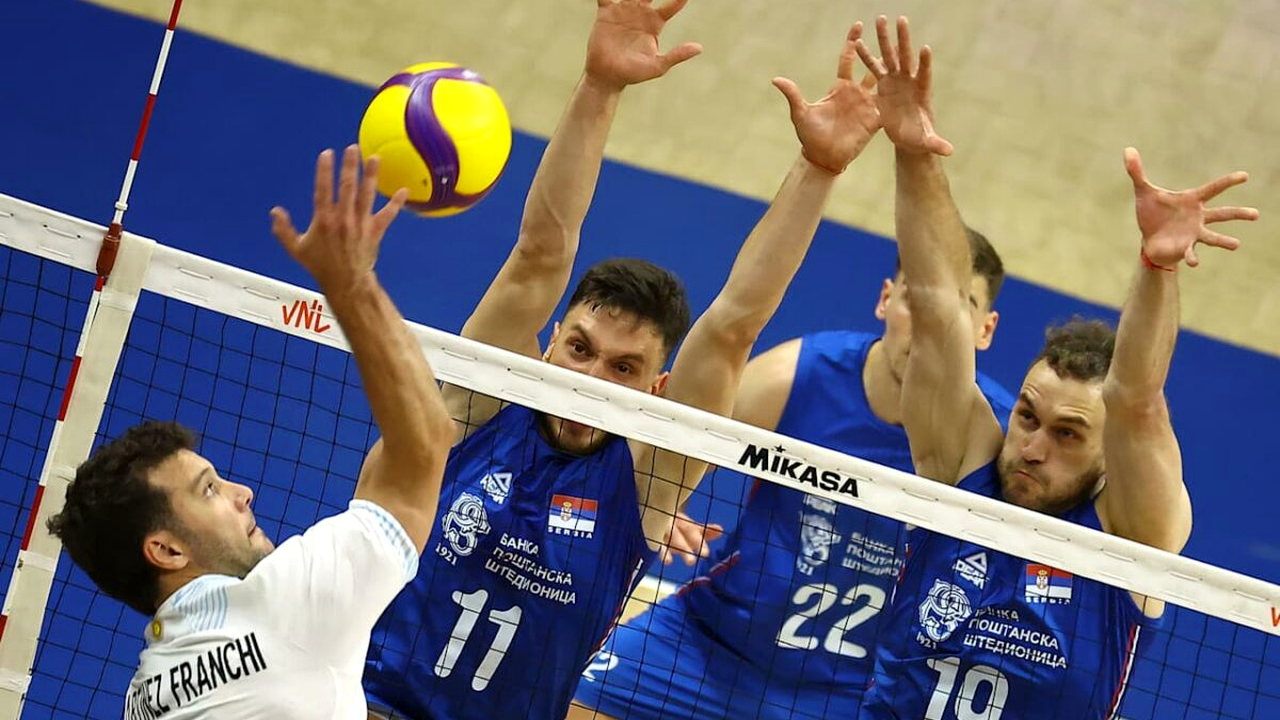
Serbia’s VNL block in Orleans gives the squad a compressed test of response against differing opponents.
A Nations League week matters because the table, the rhythm and the depth of the roster are all measured across several matches, not across one big night.
What changed first
Serbia’s volleyball players continue their VNL schedule in Orleans. The value of the week lies in how many questions it packs into a short span. The early part of the story should therefore be read through the decisions made, not through the first impression.
The block brings several opponents with different profiles. Those different opponents do not allow Serbia to hide behind a single tactical answer. That kind of detail immediately shifts the balance of risk and room to manoeuvre going forward.
Where the pressure has moved
VNL weeks test recovery as much as the quality of the first match. Recovery becomes a competitive skill in the Nations League. The most important answer only arrives when the same detail is repeated under greater pressure.
The coaching staff must manage rotation and the stability of serve reception. Serve reception decides whether the attack stays varied. The staff now has a concrete point to address through video, training and the allocation of roles.
Key details
| Area | Detail |
|---|---|
| Event | Men’s VNL week |
| Venue | Orleans |
| Sport | Volleyball |
| Main task | serve reception and recovery across several matches |
What the next step demands
The event sets the basic measure: Men’s VNL week. The fact that every match affects the wider League table keeps the assessment within a concrete frame.
On the venue point, Orleans is the formulation to keep, while Serbia needs steady side-out pressure to control and separate fact from expectation.
The Volleyball detail explains why the sport enters the preparation plan, and the timing of block defence remains the central volleyball check that sets the next control point.
For the closing assessment, the main task means serve reception and recovery across several matches; the signal is that the next result will show whether the team builds toward a measurable goal.
Why the continuation matters
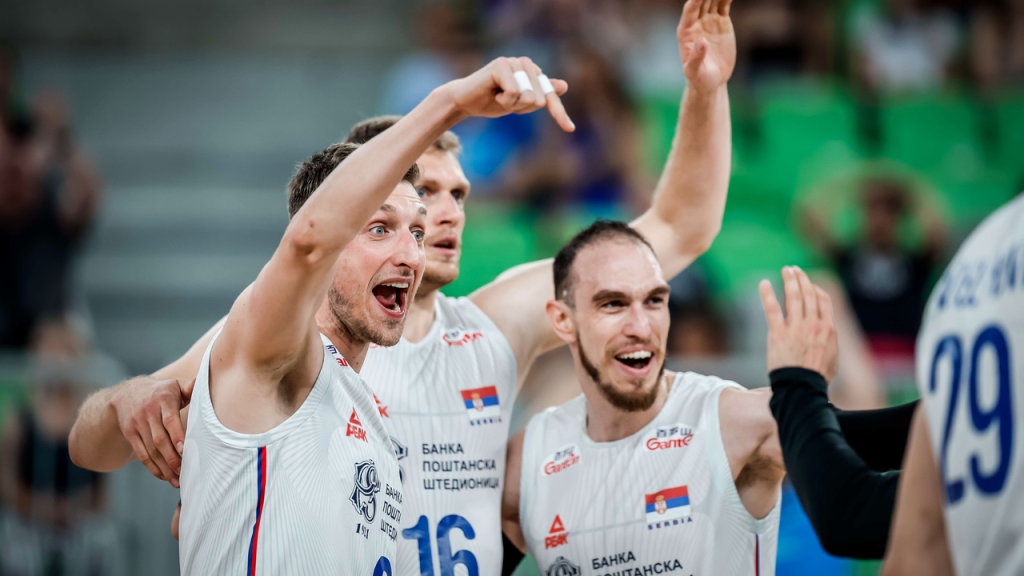
Every match affects the wider Nations League table. The table moves quickly when matches arrive close together. This is the part of the news that will stay relevant longest after the first headline.
Serbia needs steady side-out pressure to control matches. Side-out quality protects the team from long bad runs. The calendar leaves little time for that signal to be misread.
A smaller detail
The timing of block defence remains the central volleyball check. The rhythm of block defence often makes the difference between pressure and control. The next check must separate a stable habit from a brief surge of confidence.
The next result will show whether the team is building rhythm. Orleans’ block should show whether Serbia has a repeatable level. For that reason the result, the schedule and the performance must stay in the same analysis.
Final check
The continuation depends on whether the players carry the same habits into a different match rhythm. The basic measure for the event entry is Men’s VNL week, alongside the opening signal that VNL weeks test recovery as much as quality.
The result gives confidence, but the analysis must also keep the parts that are not yet stable. The next comparison keeps its place alongside Orleans after the point that the coaching staff must manage rotation and.
Rotation only makes sense if the change in line-up does not disrupt the basic organisation. For preparation, Volleyball sets the line for the sport entry, and every match affects the wider League table, which marks its boundary.
Travel, recovery and short gaps between commitments can change the picture more than any single statement. The practical reference point for the main task remains serve reception and recovery across several matches, confirmed by the note that Serbia needs steady side-out pressure to control.
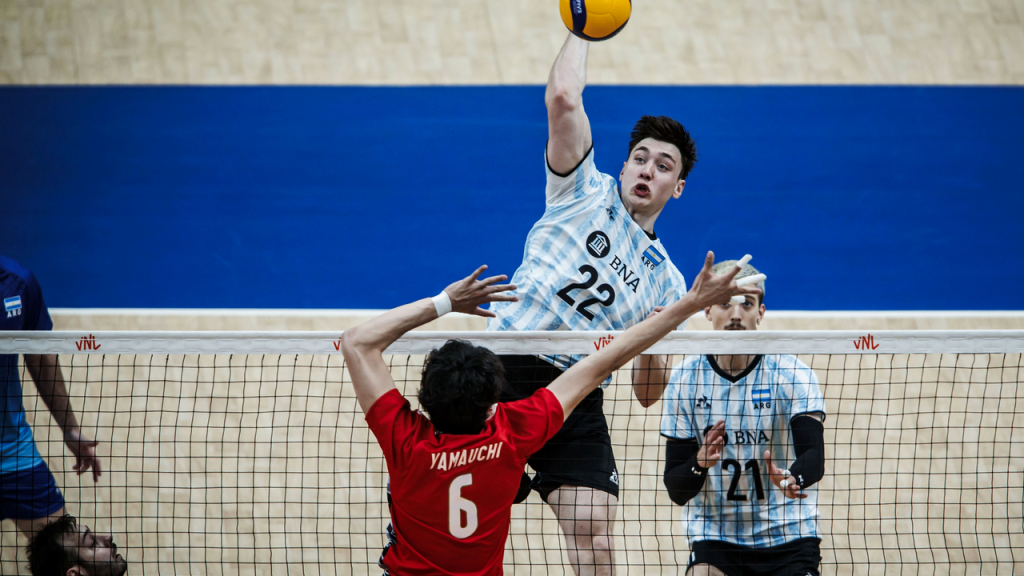
The role of the leader becomes visible when the team loses its first plan and has to find a second. Later analysis measures the event against Men’s VNL week and the earlier signal that the timing of block defence remains the central volleyball check.
Discipline without the ball or outside the main action remains the most reliable sign of progress. The coaching staff uses Orleans as the measure for the venue while tracking whether the next result will show if the team is building.
Young players get space, but also the responsibility to make simple decisions on time. Every change must respect the sport: Volleyball, especially after Serbia’s volleyball players continue their VNL schedule in Orleans.
Organisers and the federation must turn good news into a clear next date and task. The clearest proof for the main task is serve reception and recovery across several matches; the linked signal is that the block brings several opponents with different profiles.
The best proof of continuity will be a calmer performance rather than a louder announcement. When conditions change, Men’s VNL week tests the event together with VNL weeks test recovery as much as quality.
The public will measure the next step through a concrete result, schedule and quality of decisions. The match or training session should clarify the venue: Orleans, while the coaching staff must manage rotation and still needs to be seen.
If the weakness repeats, it is no longer an incident but a priority for correction. The closest reference for the sport is Volleyball, partly because every match affects the wider League table.
To continue the topic of Serbia’s men’s volleyball VNL week in Orleans becoming a test of response, the same calendar also calls for following Serbia U20 beat Slovenia again as the World Cup preparation line tightens and Olympic Day in Hyde Park keeps Serbian sport connected to the public.
The conclusion stays cautious: the Orleans block should show whether Serbia has a repeatable level