Novak Djokovic explains how recovery now shapes his US Open plan

- Author: SerbianSport
- SerbianSport
Novak Djokovic has explained how his preparation has changed at the age of 39. The Serbian player now enters fewer tournaments and allows more time for recovery. He still views the US Open as one of the main events in his season. His comments describe the limits behind that choice without presenting them as an excuse.
Djokovic spoke during a visit to New York for the premiere of a documentary about his career. He discussed his childhood, more than twenty years in elite tennis and the support of his family. He also described the physical effect of long matches. The interview gives a detailed account of his current schedule before the last Grand Slam of the year.
A five-hour match changed the next round
Djokovic used his recent Wimbledon quarter-final to explain the recovery problem. The match lasted more than five hours. He won, but his body had little time before the semi-final. Djokovic said he was not able to recover fully for that next match.
The example separates match fitness from recovery between rounds. Djokovic remains able to compete through a long contest. The difficulty appears when another major match follows after a short break. At 39, the effect lasts longer than it did earlier in his career.
Grand Slam tournaments place seven matches inside two weeks. The format rewards both performance and recovery. Djokovic now plans his season around that demand. Fewer appearances before a major leave more days for training, treatment and rest.
New York remains a major target
Djokovic described the US Open as the most exciting Grand Slam for him. He referred to the atmosphere in New York and the energy around its matches. His schedule confirms the tournament's place among his main priorities. He is preparing for the event rather than building his year around a full weekly calendar.
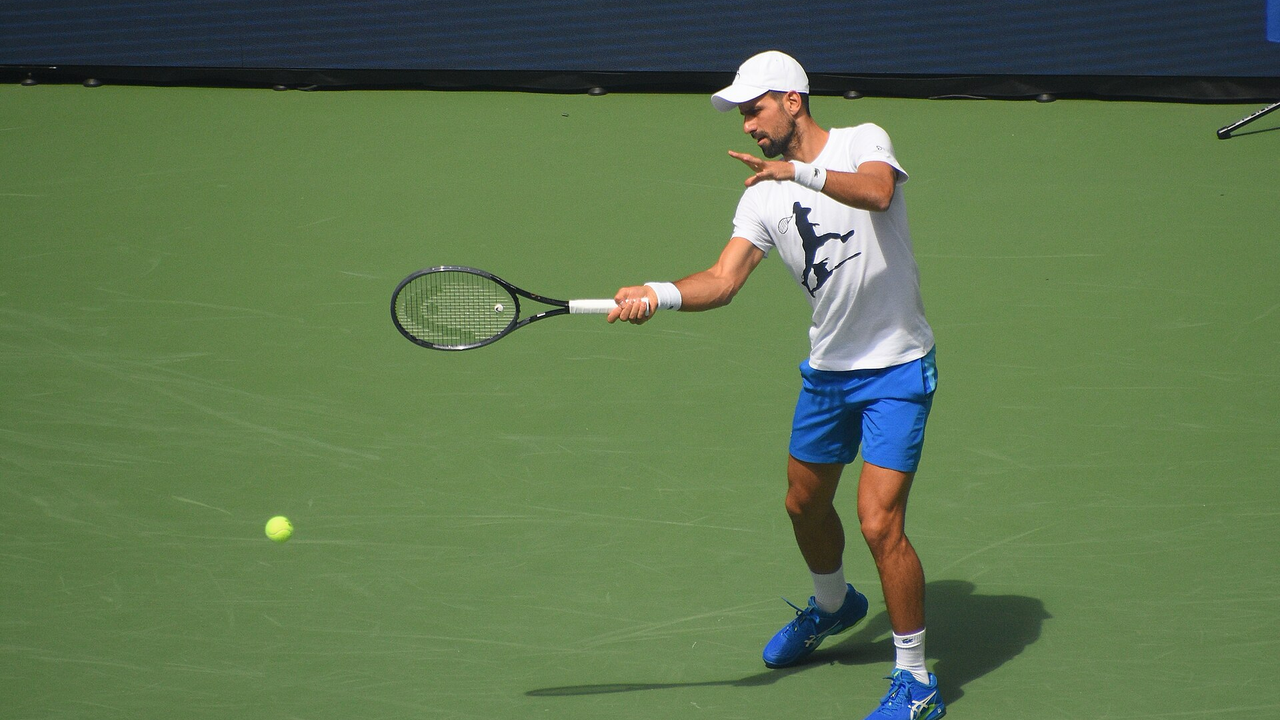
Djokovic practises his forehand before the 2023 US Open.
He did not predict a title or promise a specific result. Djokovic said his first opponent remains himself. His aim is to improve on the previous day and arrive ready for the matches ahead. That statement keeps the focus on preparation rather than a public forecast.
The reduced calendar also changes the amount of recent match play before New York. Djokovic accepts that trade-off. His recent experience has made physical freshness more important than adding several smaller events. The decision reflects his present condition, not a loss of interest in competition.
His family supported the career from the beginning
Tennis was not a family tradition for Djokovic. He grew up in a family connected to professional skiing. No close relative had played tennis before he started. He first held a racket at four and soon asked his father to buy one for him.
| Age | 39 |
|---|---|
| Next major target | 2026 US Open |
| Recovery example | More than five hours in a Wimbledon quarter-final |
| Schedule change | Fewer tournaments and more family time |
His parents supported that interest during the wars, sanctions and economic crisis of the 1990s. Tennis required equipment, coaching and travel when family finances were under pressure. Djokovic said that support gave him a lasting sense of responsibility toward his parents and brothers.
The New York documentary also covers those early years. Its premiere brought the family story into the same week as his US Open comments. Djokovic presented the career as a long shared effort. His account links the opportunities of his childhood with the choices he makes now.
Serbia's 18 July programme also included Angelina Topić's fifth place in London.
A smaller schedule creates more family time
Djokovic said his wife Jelena has been central to the length of his career. He also wants more time in his roles as a husband, father, brother and son. Each tournament adds travel and removes days at home. The present schedule gives those parts of his life a larger place.
He no longer plays as many events as he once did. The change is deliberate and has two clear purposes. It supports longer recovery between demanding matches. It also reduces the periods when he is away from his family.
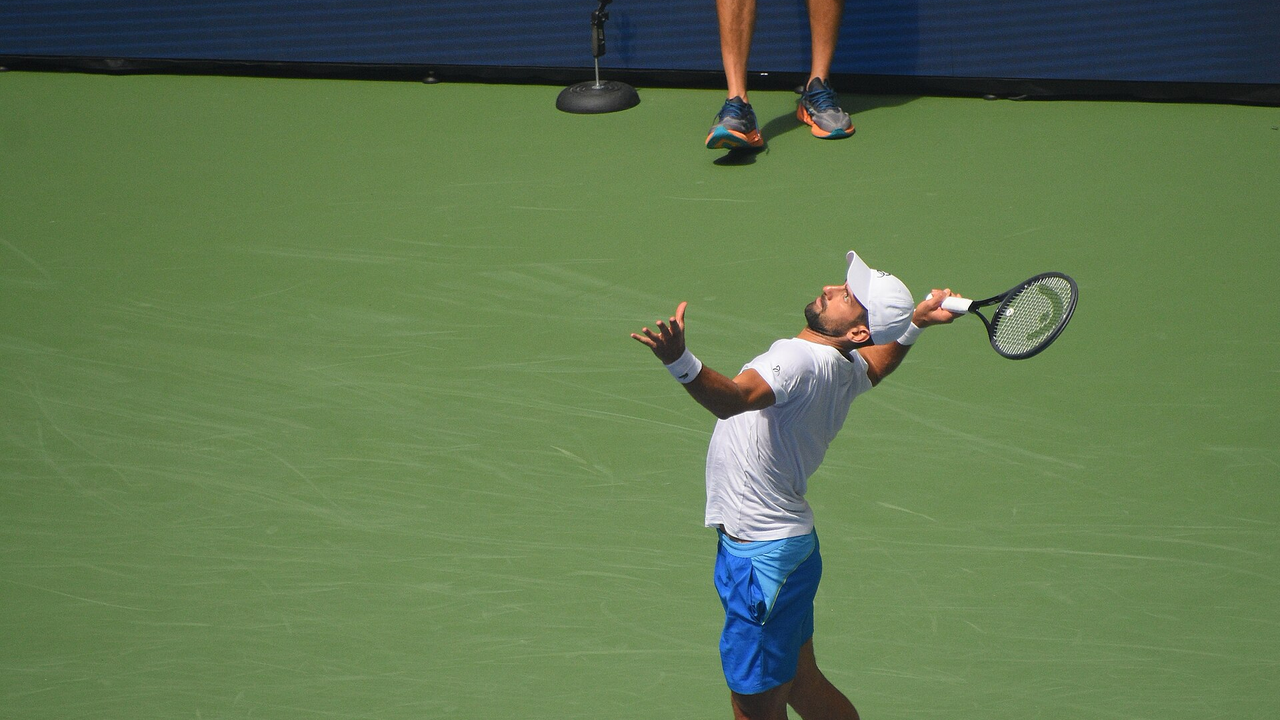
Djokovic practises on a hard court before the 2023 US Open.
Djokovic continues to speak about improvement and major tournaments. At the same time, he describes the physical and personal cost more openly. The US Open will measure his level on court. His interview explains the decisions made before he reaches the first round.
The interview separates limits from withdrawal
Djokovic's comments describe adjustment, not a departure from tennis. He remains active at 39 and continues to prepare for major tournaments. The reduced schedule is part of that continued effort. It gives selected events a larger share of his training year.
His account also avoids a simple comparison with younger players. Age appears through recovery time, not through a claim that every part of his game has declined. His five-hour Wimbledon quarter-final already showed how one match can affect the next round. Repeating that effort after a short interval has become the harder part.
That distinction is central before the US Open. Djokovic enters New York with extensive experience and a smaller calendar. He also enters with a clear statement about his physical limits. The tournament result will stand separately from that explanation.
The schedule change is already visible
Djokovic has reduced the number of tournaments in recent seasons. The interview presents that choice as a response to longer recovery. Djokovic continues to plan around the major tournaments without naming a retirement date.
Major events remain the centre of his calendar. The US Open is the next major named in the interview. Preparation for New York therefore follows a smaller number of competitive weeks than during his earlier seasons.
Family time is part of the same decision. Djokovic said that a long career had taken him away from important moments at home. His new schedule gives those periods a larger place without ending his professional career.
The preparation plan is clear: fewer warm-up events, longer recovery blocks and full focus on New York. Djokovic enters the US Open phase with his family close and the four Grand Slams still at the centre of his calendar.
Discuss the news - leave a comment!
Go to comments ↓
Comments
0