

Serbia’s women opened their Nations League week in Manila with a painful 3:2 defeat, even though they had five match points against Japan.
Where the match turned
The loss stings because the chance was obvious. Serbia had the match in hand, yet the closing points went to Japan.
The first detail to hold on to is that Serbia had five match points against Japan in Manila. That is the central fact, since it turns the defeat into a big opportunity that slipped away.
Timing matters too, because Japan withstood the pressure and celebrated after coming back to win 3:2. A comeback from that position shifts the emotional weight of the whole week.
From a competitive standpoint, the defeat arrived in the opening stage of the women’s Nations League. The format leaves little room for carrying frustration forward.
Why the deciding set changes the picture
The pressure point is that Serbia had enough attacking strength in its best spells to control the match. The team was never far from winning; the problem was finishing the job.
The next layer is that the biggest issue was the finish, when the final points were being decided. In those moments a single choice in attack or in reception can change the whole picture of a match.
The practical consequence is that Japan’s comeback makes the next match psychologically harder. Serbia’s next opponent now knows the team can be pushed in the closing stages.
What Serbia must fix
The cleanest benchmark is that Serbia must quickly turn this painful ending into a clear reset. The response has to be fast and competitive.
The follow-up question is whether the coaching staff can separate the quality of the game from the errors at the end. That matters, because the game plan does not have to be torn up from the start.
Key details
| Area | Detail |
|---|---|
| Match | Serbia – Japan, Nations League in Manila |
| Turning point | Serbia failed to convert five match points |
| Result frame | Japan celebrated after a 3:2 comeback |
| Next task | fix the finishing before the next match |
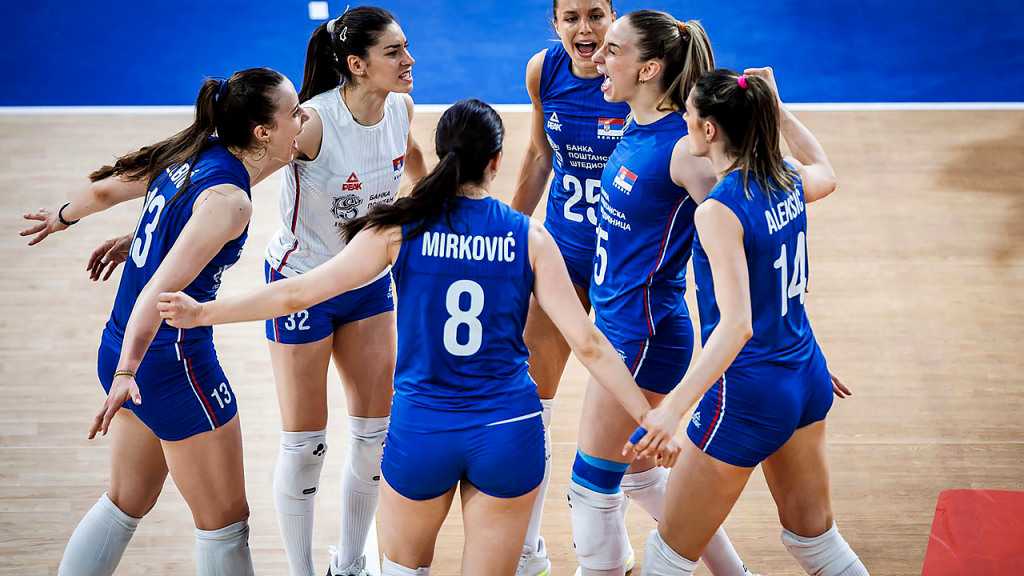
The response that follows
The first tactical question is whether Serbia played too cautiously in the closing stages. With match points, the line between safety and boldness becomes very thin.
Japan’s comeback also says something about defensive patience. Long rallies at the end of a match reward the side that stays calm one touch longer.
Serbia can still take concrete positives from the match. Five match points against Japan means the team reached a genuine winning position.
The pressure of Manila
The danger is that nerves spread. If the next match starts tight, the defeat to Japan becomes bigger than a single result.
The best remedy is a clean start to the next contest. Serbia has to show that the missed finish has not changed the team’s identity.
Manila is now testing the response, not just the volleyball. That is why the next points matter more than the qualification picture alone.
A further layer: Serbia had five match points against Japan in Manila
Serbia missed five match points as Japan turned the start in Manila is not read through a single detail, but through the connection between this point: Serbia had five match points against Japan in Manila. That is the central fact, since it turns the defeat into a big opportunity that slipped away. So the next step has to confirm the same direction, not just the first impression.
A second layer of the story is rhythm. Given that Japan withstood the pressure and celebrated after coming back to win 3:2, the pressure moves onto concrete decisions in preparation. A comeback from that position shifts the emotional weight of the whole week.
For the coaching staff or the federation, the key point is that the defeat arrived in the opening stage of the women’s Nations League. That does not stay a description of events, because the format leaves little room for carrying frustration forward.
The competitive picture becomes clearer when you look at the next detail: Serbia had enough attacking strength in its best spells to control the match. If that part is not repeated, the earlier signal loses some of its value.

A further layer: the biggest issue was the finish, when the final points were being decided
The most practical conclusion concerns reaction. The biggest issue was the finish, when the final points were being decided. In those moments a single choice in attack or in reception can change the whole picture of a match. The next check should therefore be read through behaviour on court or in preparation.
This matters because a concrete fact can be verified later: Japan’s comeback makes the next match psychologically harder. Serbia’s next opponent now knows the team can be pushed in the closing stages. That gives the reader a clear anchor.
Going forward, it is not enough to keep only the result or the headline. The mechanism behind it needs to be kept too, especially if Serbia has to turn this painful ending into a clear reset quickly.
The sporting meaning here comes down to the coaching staff having to separate the quality of the performance from the mistakes made in the closing stages. That distinction links today’s news to the decisions, minutes or matches that follow.
The next layer: Serbia had five match points against Japan in Manila
If the situation moves in a positive direction, the first sign will be how Serbia had five match points against Japan in Manila plays out. If not, the same detail will become the point where the failure is measured.
That is why the question of how Serbia let five match points slip while Japan came back to start in Manila remains open. Japan held their nerve and celebrated after a 3:2 turnaround. A comeback from that position changes the emotional weight of the whole week. The days ahead will show how firm that first signal really was.
Serbia letting five match points slip while Japan came back to start in Manila should not be read as a single moment, but as a connection with something else: the defeat arrived during the week of the Women’s Nations League. The format of the competition leaves little room for carrying frustration forward. So the next step has to confirm the same direction, not just the first impression.

The second layer is rhythm. Serbia had enough attacking strength in their best spells to control the match, so the pressure turns to concrete decisions in preparation. The team was never far from winning; the problem was finishing the job.
The next layer: the biggest problem was the finish, when the final points were decided
For the coaching staff or the federation, the key point is that the biggest problem was the finish, when the last points were decided. That does not stay abstract, because in those moments a single choice in attack or in reception can change the picture of the match.
The competitive picture becomes clearer when you look at the next detail: Japan’s comeback makes the next match psychologically harder. If that pattern is not repeated, the earlier signal loses some of its value.
The most practical conclusion concerns the response. Serbia must quickly turn a painful ending into a clear reset. The answer has to be fast and competitive. That is why the next check should be judged by behaviour on the court or in training.
This topic matters because a specific fact can be checked later: the coaching staff has to separate the quality of the performance from the mistakes made in the closing stages. That matters because the game plan does not have to be torn up from the start. It gives the reader a clear point to hold on to.
On the same sporting calendar, it is also worth following RTC for girls in Vrnjacka Banja keeps Serbia basketball’s development base active and Serbia U17 basketball title in Istanbul gives the youth group a clear marker.
Serbia did enough to reach the target, but not enough to get past it. That is the lesson Manila now asks them to answer.