
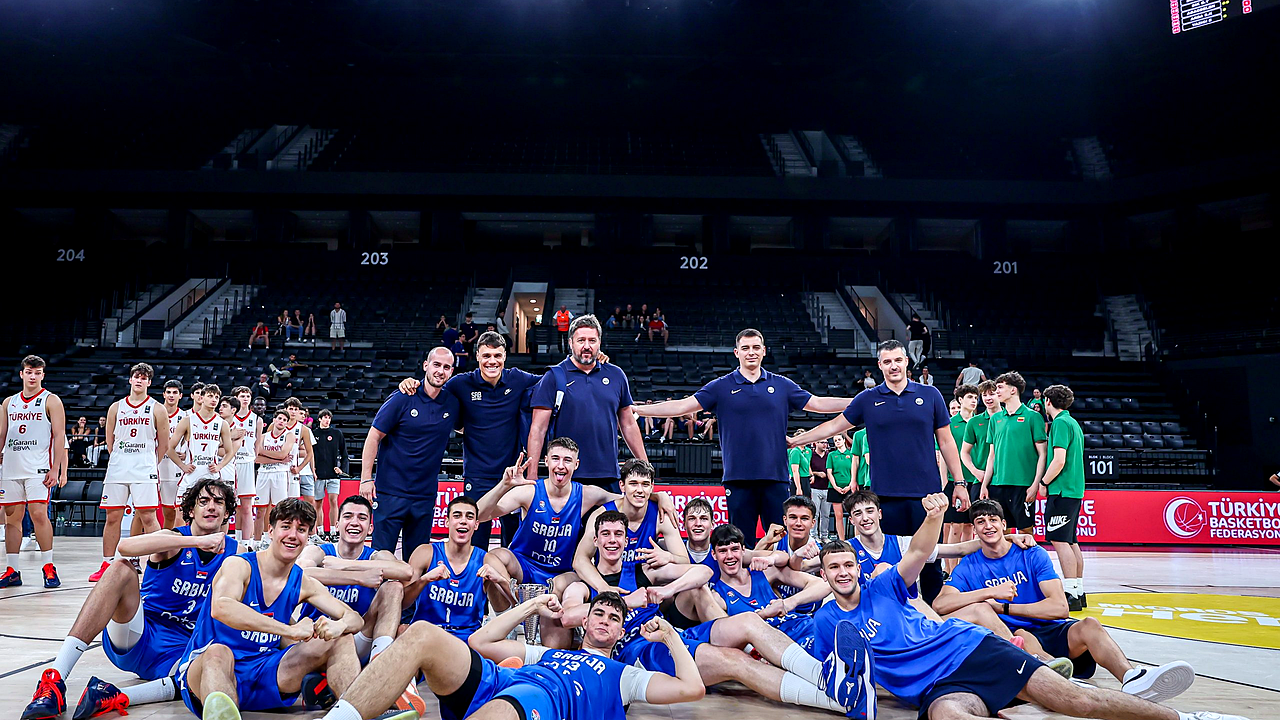
Serbia’s U17 basketball national team gained a tangible result ahead of its next development block by winning the tournament in Istanbul.
Why the Istanbul title matters
The value lies in more than the trophy. A youth title shows coaches which habits held up in away games and which players handled the pressure.
The first point to take from this is that Serbia’s U17 side won the Istanbul tournament. It sends a positive signal without overstating what a result at this age group means.
The timing counts because the result gives the generation an early international reference point. The squad now has proof that its preparation can travel.
The competitive reading begins with youth tournaments testing travel, recovery and acceptance of roles. At this level those details matter as much as the final result.
What the youth result shows
The key pressure point is that winning away shows the group absorbed outside pressure. That is a useful signal before tougher tests arrive.
The next layer is that the coaching staff can now weigh the quality of the result against the players’ development. The trophy should inform that assessment, not hide the areas that still need work.
The practical consequence is that the next camp should build on the same defensive and transition habits. The best next step is repeating the behaviour, not only celebrating it.
How Serbia should use it
The cleanest benchmark is that the title only counts if players carry the lessons into stronger games. Development becomes real when the same standards survive the next test.
The follow-up question is what Serbia’s younger system gains when results and development move together. That balance is what Serbia must protect.
Key details
| Area | Detail |
|---|---|
| Result | Serbia U17 won the tournament in Istanbul |
| Sport | Basketball |
| Main value | an early international reference point for the generation |
| Next task | carry the tournament habits into the next camp |
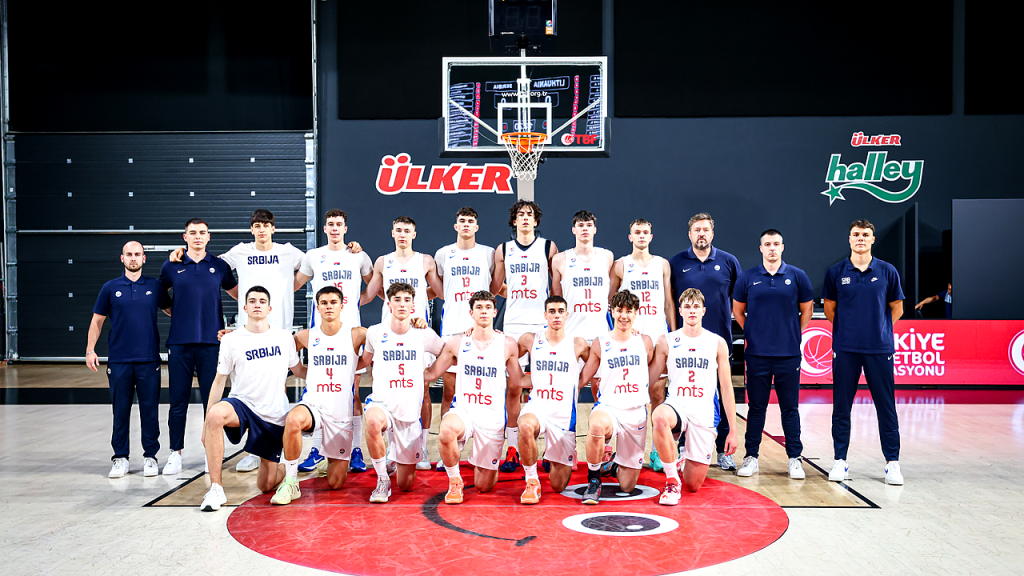
The next development step
Youth titles are best read through habits. A team can win on talent alone, but coaches need to know whether there is structure beneath the result.
Istanbul gives Serbia a useful first answer. The group travelled, adapted and kept enough clarity to take the tournament.
That helps the coaching staff see which players respond when games turn physical or when roles shift during the weekend.
Lessons from the tournament
The title should sharpen training. Good possessions become material for learning, while weaker spells can be fixed without the pressure of a poor result.
Serbia’s U17 side now has a standard it must defend. That often matters more than the medal itself.
The next stage is to see the same focus against stronger opponents and in less familiar scouting situations.
Next layer: Serbia U17 won the tournament in Istanbul
The Istanbul title gives the young team a clear indicator, and it is read through the connection between the points: Serbia’s U17 side won the Istanbul tournament. It sends a positive signal without overstating what a result at this age group means. That is why the next step has to confirm the same direction, not just the first impression.
The second layer of the story is rhythm. Given that the result gives the generation an early international reference point, the pressure moves to concrete preparation decisions. The squad now has proof that its preparation can travel.
For the coaching staff or the organisation, the key point is that youth tournaments test travel, recovery and acceptance of roles. That does not stay in the description of the event, because those details matter at this level as much as the final result.
The competitive frame becomes clearer when the next detail is considered: winning away shows the group absorbed outside pressure. If that part is not repeated, the earlier signal loses some of its value.
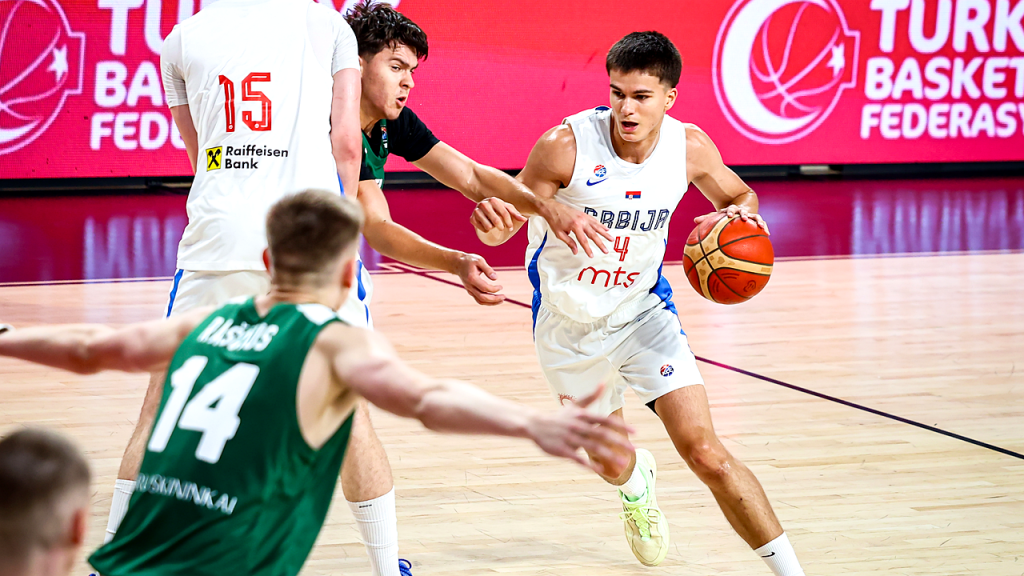
Next layer: the coaching staff now weighs the quality of the result against player development
The most practical conclusion concerns the reaction. The coaching staff now weighs the quality of the result against player development. The trophy should inform that assessment, not hide the areas that still need work. That is why the next check has to be read through behaviour on the court or in preparation.
This matters because a concrete detail can be checked later: the next camp should build on the same defensive and transition habits. The best next step is repeating the behaviour, not only celebrating it. That gives the reader a clear anchor.
Beyond this, it is not enough to keep only the result or the announcement. The mechanism behind it needs to be kept too, especially since the title only counts if players carry the lessons into stronger games.
The wider sporting significance comes from what Serbia’s younger system gains when results and development move together. That detail links the current news to the next decisions, minutes or games.
Next layer: Serbia U17 won the tournament in Istanbul
If things go well, the first sign will show up through the U17 side’s title in Istanbul. If they don’t, that same detail will become the place where any slip is measured.
That is why the Serbia U17 Istanbul title gives the young squad a clear indicator, and the question stays open. The result gives the generation an early international reference point. The squad now has proof that its preparation can travel. The coming days will show how solid that first signal really was.
The Serbia U17 Istanbul title gives the young squad a clear indicator is not read through one detail alone, but through the link between them: youth tournaments test travel, recovery and acceptance of roles. At this age those details matter as much as the final result. So the next step has to confirm the same direction, not just the first impression.
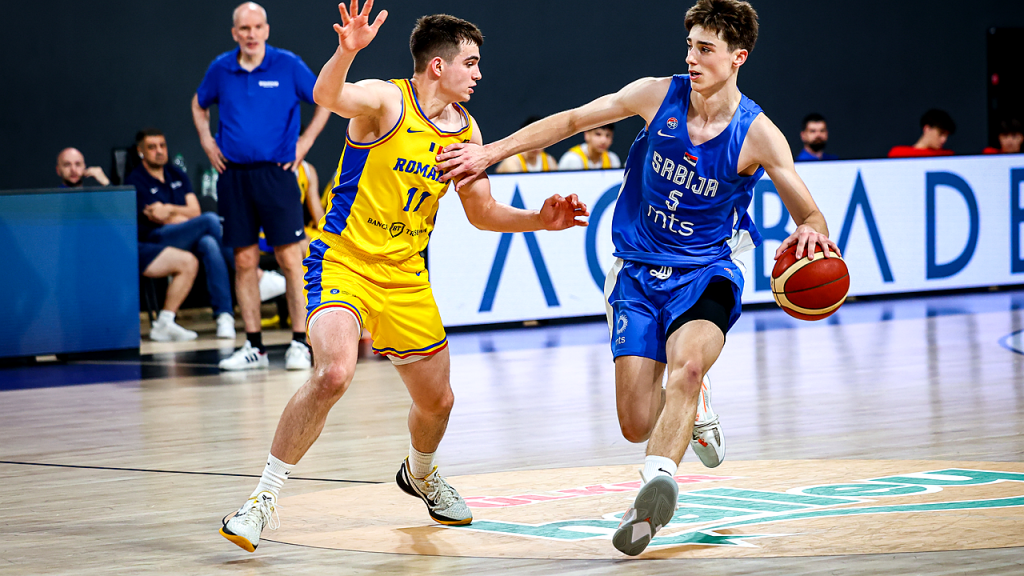
The second layer is rhythm. A win on the road shows that the group withstood outside pressure, and that pressure now moves onto concrete decisions in preparation. It is a useful signal before the harder tests.
The next layer: coaching staff now weighs result quality against player development
For the coaching staff or the federation, the key point is that the staff now weighs result quality against player development. That does not stay as a description of the event, because the trophy should help with assessment rather than hide the areas that need work.
The competitive picture becomes clearer when you look at the next detail: the upcoming camp should build on the same defensive and transition habits. If that part is not repeated, the earlier signal loses some of its value.
The most practical conclusion concerns the response. The title only counts if the players carry the lessons into stronger matches. Development becomes real when the same standards survive the next test, so the next check has to be judged by conduct on the floor or in preparation.
This story matters because a concrete fact can be checked later: Serbia’s younger system gains when results and development move together. That is the balance Serbia has to keep, and it gives the reader a clear footing.
Within the same sporting calendar, it is also worth following Alimpijevic names 18 Serbia candidates for the June-July FIBA window and Serbia women let five match points slip as Japan turn Manila opener.
The Istanbul title gives Serbia’s U17 side a real indicator. The next task is to take the team beyond a photo with the trophy.