

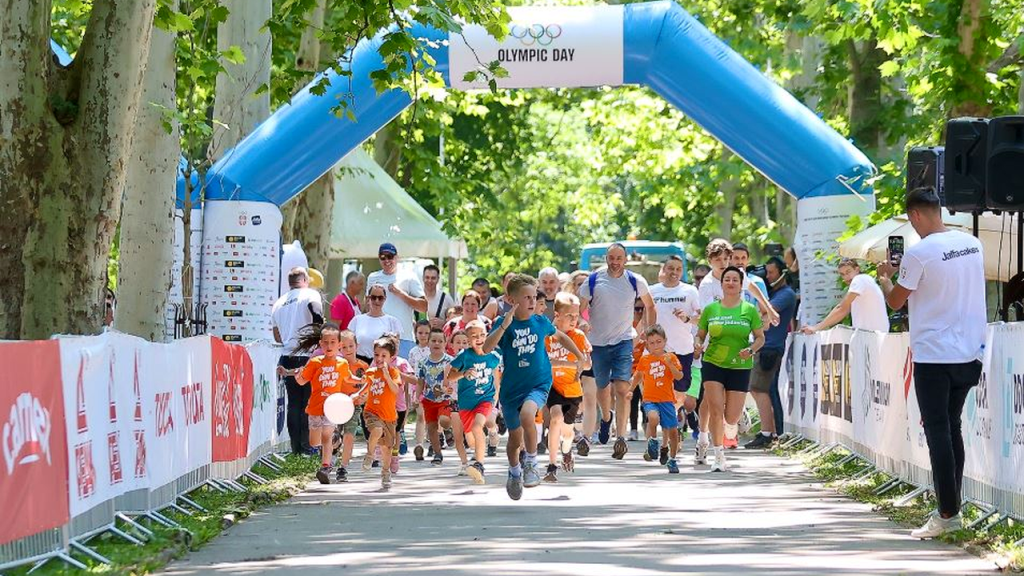
Olympic Day in Belgrade’s Hyde Park keeps Serbian sport visible beyond the arenas and places participation alongside top results.
The event matters because public sports days bring together children, families, athletes and federations in an open space.
What changed first
Olympic Day was held in Belgrade’s Hyde Park, which makes it more than a ceremony. The early part of the story should therefore be read through the decisions behind it, not the first impression.
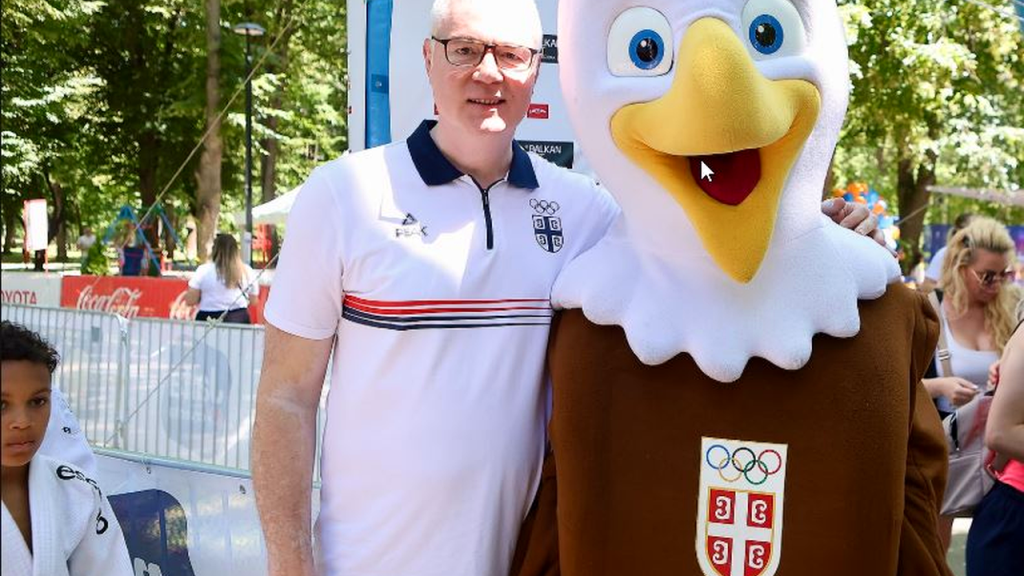
The event is linked to the Olympic Committee of Serbia. The Olympic calendar needs these public moments as much as nights of medals. That detail immediately changes the balance of risk and room for what comes next.
Where the pressure has shifted
Public activity is part of the wider mission of the Olympic movement. Participation is where many future athletes first meet sport. The most important answer only comes when the same detail is repeated under greater pressure.
Children and families sit at the centre of the format. The park lowers the threshold for families. The coaching staff now has a concrete point for video, training and the allocation of roles.
Key details
| Area | Detail |
|---|---|
| Event | Olympic Day |
| Venue | Hyde Park, Belgrade |
| Focus | public participation |
| Next value | turning interest into regular sport |
What the next step demands
The event sets the basic measure: Olympic Day. The fact that the event keeps sport visible beyond results keeps the assessment within a concrete frame.
For the venue item, it is important to keep the wording Hyde Park, Belgrade, while federations and athletes can connect separates the fact from expectation.
The public participation detail explains why the focus enters the preparation plan, and shared events help sports that are not always in the spotlight set the next checkpoint.
For the final assessment, the next value means turning interest into regular sport; the signal that matters is whether participation leads to a measurable task.
Why continuity matters
The event keeps sport visible beyond results. Top-level sport is stronger when the public can see an entry point. This is the part of the news that will stay important longest after the first headline.
Federations and athletes can connect with new participants. Federations gain a direct way to explain what they offer. The calendar leaves little room for that signal to be misread.
A smaller detail
Shared events help sports that are not constantly in the media. The value continues if clubs keep the doors open. The next check has to separate a stable habit from a brief surge of confidence.
The next value is whether participation becomes regular activity. Olympic Day works best as a bridge, not just a photograph. For that reason the result, the schedule and the performance must stay in the same analysis.
Final check
Continuity depends on whether players carry the same habits into a different match rhythm. The core measure for the event item is Olympic Day, with the early signal that public activity is part of the wider Olympic mission.
The result builds confidence, but the analysis must also preserve the parts that are not yet stable. The next comparison keeps its place alongside Hyde Park, Belgrade, after the data point that children and families sit at the centre of the format.
Rotation only makes sense if changing the line-up does not break the basic organisation. For preparation, public participation sets the line for the focus item, and the event keeps sport visible beyond results marks its limit.
Travel, recovery and short gaps between commitments can change the picture more than any single statement. The practical checkpoint for the next value remains turning interest into regular sport, confirmed by federations and athletes being able to connect.
The leader’s role becomes visible when the team loses the first option and has to find another. Later analysis measures the event against Olympic Day and the earlier signal that shared events help sports that are not constantly in the spotlight.
Discipline without the ball, or away from the main action, remains the most reliable sign of progress. The coaching staff uses Hyde Park, Belgrade as the measure for the venue while tracking whether participation goes further as the next value.
Young players are given room, but also the responsibility to make simple decisions on time. Every change has to respect the focus: public participation, especially after Olympic Day was held in Belgrade’s Hyde.
Organisers and the federation must turn good news into a clear next date and task. The clearest proof for the next value is turning interest into regular sport; the linked signal is that the event is linked to the Olympic Committee of Serbia.
The best proof of continuity will be a calmer performance rather than a louder announcement. When conditions change, Olympic Day tests the event alongside public activity being part of the wider Olympic mission.
The public will measure the next step through a concrete result, schedule and quality of decisions. The match or training session should clarify the venue: Hyde Park, Belgrade, while children and families sit at the centre of the format remains visible.
If the weakness repeats, it is no longer an incident but a priority for correction. The most important reference for the focus is public participation, partly because the event keeps sport visible beyond results.
Continuing the topic Olympic Day in Hyde Park keeps Serbian sport close to the public, the same calendar also calls for following Tender for the Serbian Handball Supercup starts the new season planning line and Cutura sees how Serbia’s juniors are building a proper handball base.
The conclusion stays cautious: Olympic Day works best as a bridge, not just a photograph