
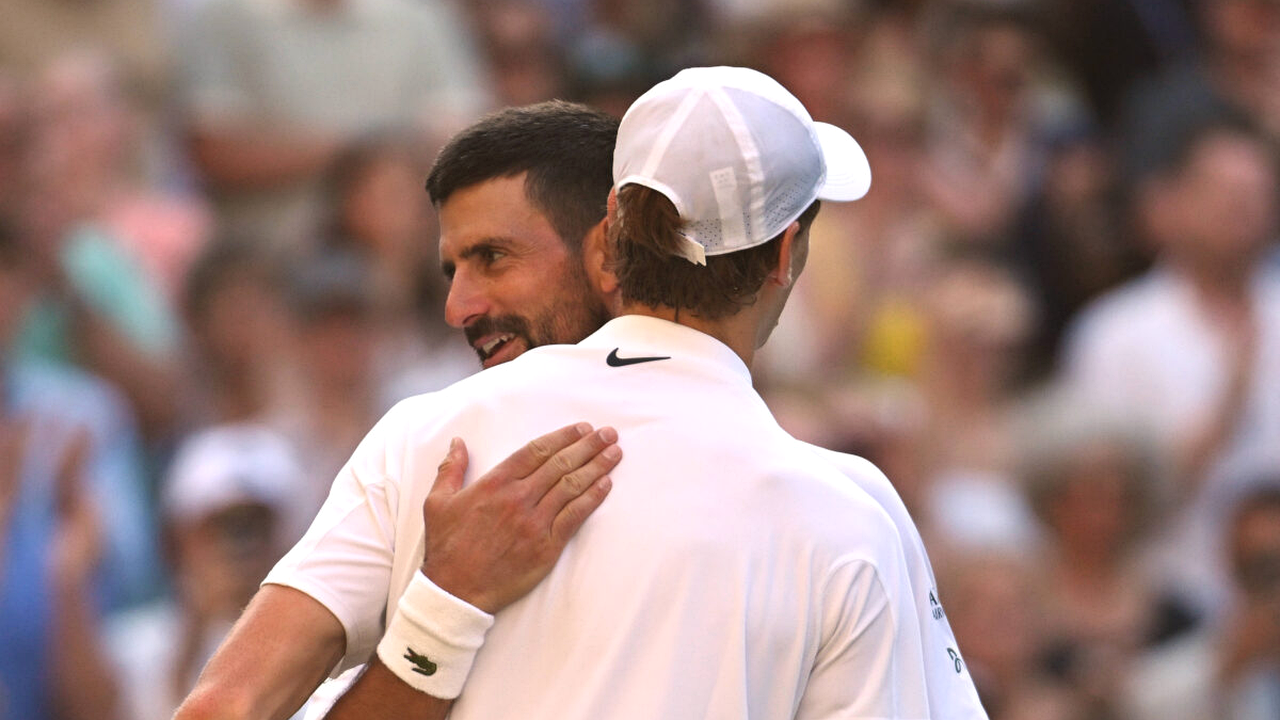
Novak Djokovic and Jannik Sinner enter the Wimbledon semi-final with one more important factor to consider: the weather. The forecast for Friday points to a hot day, so this match is no longer just about form, but also about energy.
The heat changes the rhythm of the match
The forecast for London predicts very warm weather just when the Djokovic and Sinner duel is due to take place. It is a detail important enough, because grass-court matches have a way of shifting after a few long games.
In conditions like these, Djokovic must protect his first serve and keep his short points under control. If the rallies stretch beyond ten shots, the heat could become just as decisive as tactics.
Sinner is not facing an easy task either. His aggression demands clean footwork, and in the heat every late step can open a gap for an error.
The roof is no longer a side issue
The day before, the talk already centred on the roof and conditions on Centre Court. This match therefore has two layers: sunshine if play takes place outdoors, and a different feel for the ball if organisers once again decide to close the court.
For Djokovic it is essential to adapt quickly to the conditions. He has experience with such changes, but he still needs to step on court without getting anxious about things he cannot control.
The best sign for him will be calm service games early on. If the start passes without wasted effort, the later stages of the match become much easier to read.
| Point | Note |
|---|---|
| Match | Novak Djokovic – Jannik Sinner. |
| Competition | Wimbledon, semi-final. |
| Factor | Heat and a possible change in conditions. |
| What to watch | First serve, movement and long games. |
Also read: Vojvodina go into the Ferencvaros game with new signings. More news: Vujasinović praises the squad after the first phase of Serbia’s preparations.
Sinner is looking for a fast start
Sinner will probably try to shorten the time in each point. That means taking the ball early off the forehand, pressing on the second serve and waiting less for the rally to open up by itself.
Djokovic’s response does not have to be risky. It is enough for him to vary depth, return low and force Sinner to play one extra shot on every attack.
In a match like this there is no need for grand statements. The winner will be the player who keeps a clear head for longer and makes the better decisions during the hottest parts of the day.
Why caution remains the best tone
This match should not be turned into a story about a single factor. The heat matters, but Djokovic and Sinner both have enough quality to keep the contest primarily about tennis.
That is why it is better to watch the small signs: breathing after a rally, the percentage of first serves and the number of simple errors in the first two games of each set.
Those signs will tell you more than any big preview. If they stay calm, the weather will also look less threatening.
How Djokovic can ease the pressure
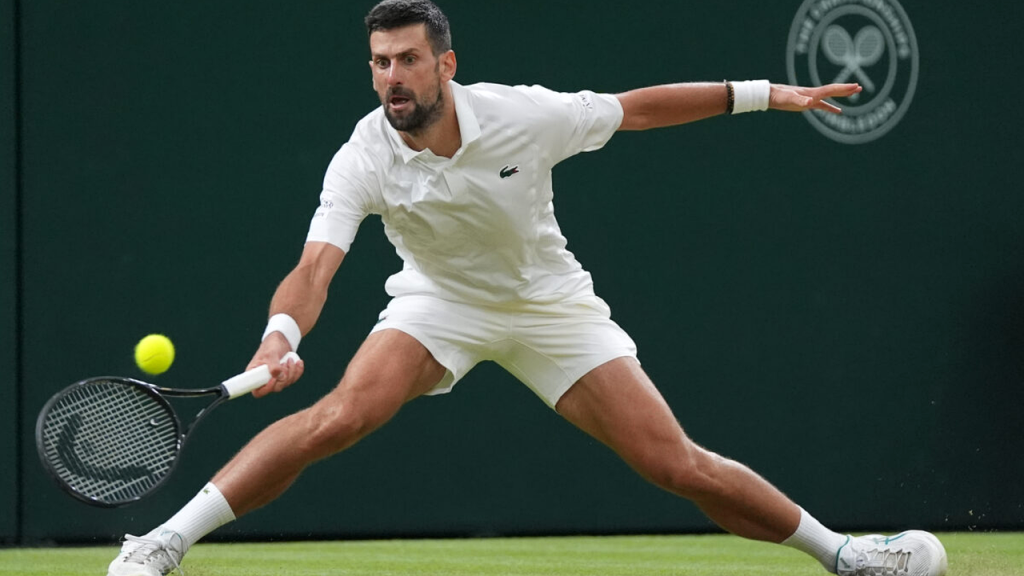
His first serve has to bring him calm. If Djokovic holds serve easily, the heat loses some of its grip, because there is no long wait between heavy exchanges.
The return is the second key. Sinner must not keep taking the first ball after the serve, since that lets him dictate the pace and push Djokovic onto the back foot.
Djokovic should therefore vary the height of the ball, protect his depth and avoid entering every point as if he has to finish it immediately.
Where Sinner can cause trouble
Sinner’s greatest strength is how quickly he moves from defence to attack. If his forehand comes early, Djokovic will have to defend more angles than he would like.
The second serve matters especially. A short second serve gives the Italian room to strike the first aggressive blow.
So the match should not be viewed through temperature alone. The heat matters, but serve, return and the length of rallies remain the main tennis details.
Rally length decides energy spent
Djokovic does not have to play the fastest tennis in every game, but he must know when to shorten a rally. On grass that is possible through a combination of serve, first volley and low slice.
If points keep turning into running from the baseline, the advantage shifts to whichever player is better able to carry the heat at that moment.
That is why the first few games will matter as a test of the body. Not because of the scoreboard, but because of who controls energy expenditure better.
The mental side cannot be separated from tactics
In a semi-final like this, nerves most often show in shot selection. A player who goes for the winner too early often hands the opponent an easier game.
Djokovic has the experience to recognise that moment, but he still has to stay disciplined. Sinner will wait for every short ball and every drop in depth.
For that reason the best plan combines calm, precise serving and patience in the rallies. Only then do the weather conditions remain a factor rather than the main opponent.
That approach gives Djokovic room to change the rhythm when he senses Sinner beginning to read his first plan.