
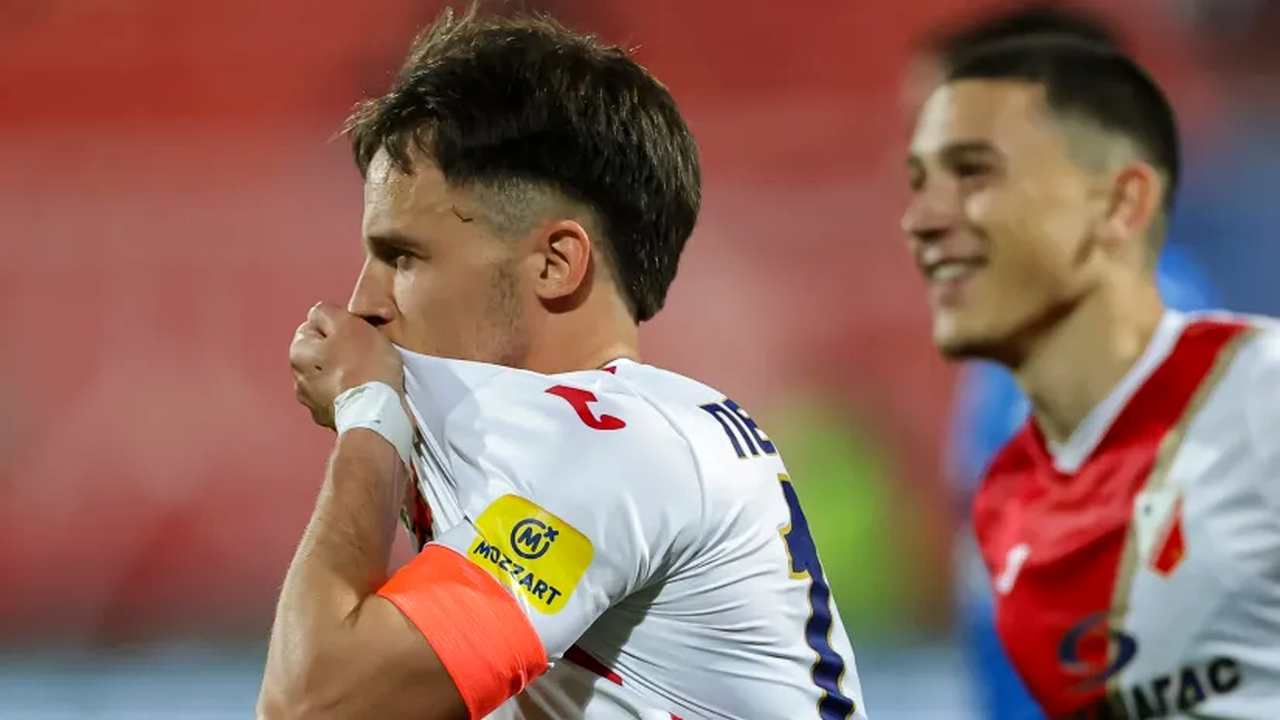
Vojvodina open their European season against Ferencváros, and the most important point is that the coaching plan already has clear shape. Novi Sad’s side are not walking into the match looking for an identity; they are a team that wants to make immediate use of the summer signings.
A European start with no experiments
Miroslav Tanjga’s plan points towards a line-up for the first leg that stays uncomplicated. That matters, because a Vojvodina against Ferencváros tie leaves little room for trial and error.
The new players are important, but the start has to be steady. If the side knows from the first minute who covers the depth and who protects the balance, their chances of a good result improve.
Ferencváros have European experience and will punish any lapse in concentration. Vojvodina therefore need to look compact before they take greater risks.
The signings must make an impact quickly
Summer arrivals are not just a story for the fans. In qualifiers they must help straight away in duels, in breaking up play and in getting out of pressing.
Above all, the new players must not disrupt the movement patterns that already existed. If everything comes down to individual moments, the Hungarian side will read the attack more easily.
A good sign for Vojvodina would be the new players entering the match without needing constant reminders of their position. That would show the preparation was concrete.
| Point | Note |
|---|---|
| Club | Vojvodina. |
| Opponent | Ferencváros. |
| Competition | Europa League qualifiers. |
| Key | A stable line-up and an immediate impact from the new signings. |
Also read: Partizan wait carefully for the outcome in Luxembourg. More news: Heat in London adds another problem ahead of Djokovic’s match with Sinner.
Karađorđe must help, but must not pull the side apart
Home advantage is a plus, especially in the first European tie of the season. Even so, the energy from the stands must not push the team to attack without cover behind the ball.
Vojvodina need intelligent pressure. That means attacking when the lines are close together, not when one player charges alone at the whole defence.
If the hosts survive the first wave of nerves, the match could settle into a rhythm that suits Tanjga’s side better.
The first goal changes everything
If Vojvodina take the lead, they may gain room to counter and a more controlled tempo. If they concede early, they will have to show the new group can stay calm.
That part is the biggest test for the signings. European matches often reveal whether a player is ready for pressure long before the numbers show it.
That is why the result is not the only measure. It also matters how the team reacts after the first mistake, the first interruption and the first long spell without the ball.
The next signal
After the first match, the key question will be whether Vojvodina have a living second leg. That means a result that keeps the plan alive, not just hope.
Tanjga’s side do not need to play perfectly to earn a good verdict. They need to be organised, brave at the right moments and patient enough.
That is the realistic measure for this round: not grand promises, but the first proof that a Serbian representative has the foundation for a European summer.
Why the first match is only half the job
In Europe the first leg rarely settles everything, but it can undo a lot. Vojvodina therefore need to play in a way that keeps them in the tie after the final whistle.
A good result is not only a win. Sometimes it is a match without a cheap goal conceded, without a red card and without an injury to a player who has to carry the new system.
If the signings show composure within that framework, Vojvodina will have grounds to believe the summer business was more than a list of names.
Tanjga’s plan calls for short lines
Vojvodina do not have to win with beauty to get a good starting point. They need order: a compact midfield, a secure first pass and enough players behind the ball when the attack breaks down.
Such a plan is not glamorous at first sight, but in European qualifiers it often proves worth more than a few quick bursts. It protects the side from counters and gives them time to recognise the right moment to press.
If that structure holds after the first mistake, the hosts will have the basis for a serious match. If patience is lost, the experience advantage passes straight to the visitors.
Set pieces can bring the calm needed
Ties like this often open through a detail rather than long domination. A good corner, a well-worked free kick or one loose ball after a stoppage can change the tone of the evening.
That is why the hosts must not rush after every stoppage. If a move does not produce a shot, the shape must stay in place to stop a quick counter.
That part of the game will show how well drilled the side really is. Height and strength in the box are not enough on their own; timing, covering the rebound and calm when an attack fails are what count.
The bench must keep the rhythm
The closing stages will be a separate test for the coaching staff. If tiredness shows on the flanks or in midfield, the substitution must come before the opponent gets a run of attacks.
How cards are handled matters too. A European two-legged tie does not tolerate needless risk, because one late foul can change the second leg.
A good bench means more than fresh energy. It means players who understand straight away where they stand, what to shut down and when to slow the tempo. That detail can protect the result.