
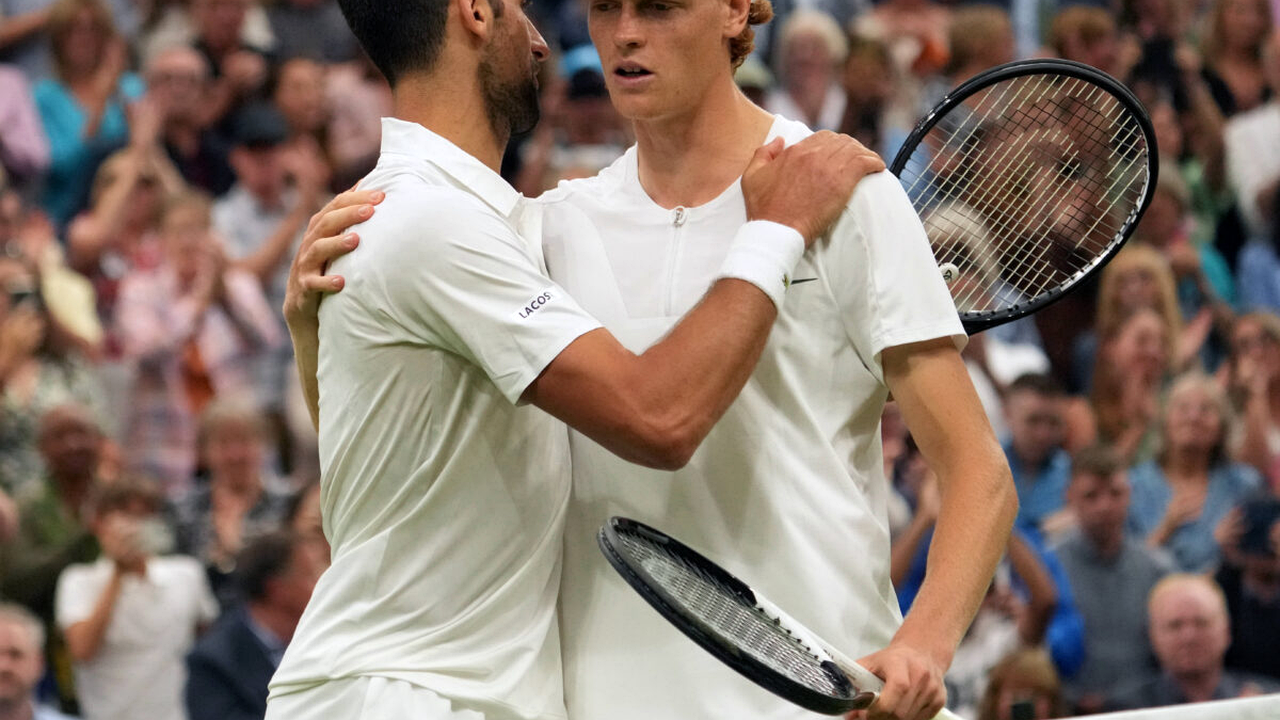
Novak Djokovic meets Jannik Sinner in a match that demands a clear plan. The main themes are recovery, serving and finding a way to slow down Sinner’s quick rhythm.
Recovery is the first question
Novak does not walk into this match carrying only tactical questions. He has to know how much his body can take over long rallies, sudden changes of direction and frequent trips to the net.
That does not mean he has to play slowly. It means he has to pick his moments. If he saves his energy in the early games, he will be able to attack more easily when a good opportunity arrives.
His serve has to help him
The serve is the shortest route to a comfortable game. Novak needs strong first serves, but also a smart second serve. Sinner will wait for any ball that is short or predictable.
That is why changing the placement and the speed matters. If Novak serves the same way every time, Sinner will quickly find his rhythm. If he varies his options, he can win more easy points and keep his legs fresh.
| Point | Note |
|---|---|
| Main theme | Novak must protect his body and avoid overly long rallies. |
| Best route | Serve, first strike and frequent changes of pace. |
| Sinner’s threat | Early reading of the ball and constant pressure from the baseline. |
Also read: Red Star’s Champions League path now depends on a kind draw and sharp timing. More news: Serbian rowers made Henley history by winning with patience.
Sinner will push for a fast tempo
Sinner is dangerous because he takes the ball early and gives his opponent little time. He does not need to finish every point with a big shot. It is enough for him to keep Novak working half a step behind.
Novak therefore cannot settle into the same pattern on every point. If every rally is played at the same speed, Sinner gains the advantage. If the tempo keeps changing, the match becomes harder to read.
Changing the tempo could be the key
Novak can use the slice, the deep lob and the shorter shot when the court is open. These are not decorations in his game. They are ways of moving Sinner out of his comfortable position.
It is important that the change stays simple. A badly chosen risk only gives Sinner an easy attack. A well-timed change of rhythm can produce a short ball and open up a point for Novak.
Body language must not help the rival
Sinner will watch not only the shots but also the reactions between points. If he sees fatigue, he may attack even harder. Novak has the experience to hide such moments and keep the match calm.
That does not mean pretending everything is easy. It is enough to stay composed after a tough point, take a moment before the next serve and not let one bad game change the whole tone of the match.
The winning plan is clear
Novak’s chance starts with good recovery and a reliable serve. After that he needs a smart first shot, without rushing and without trying to decide every point immediately.
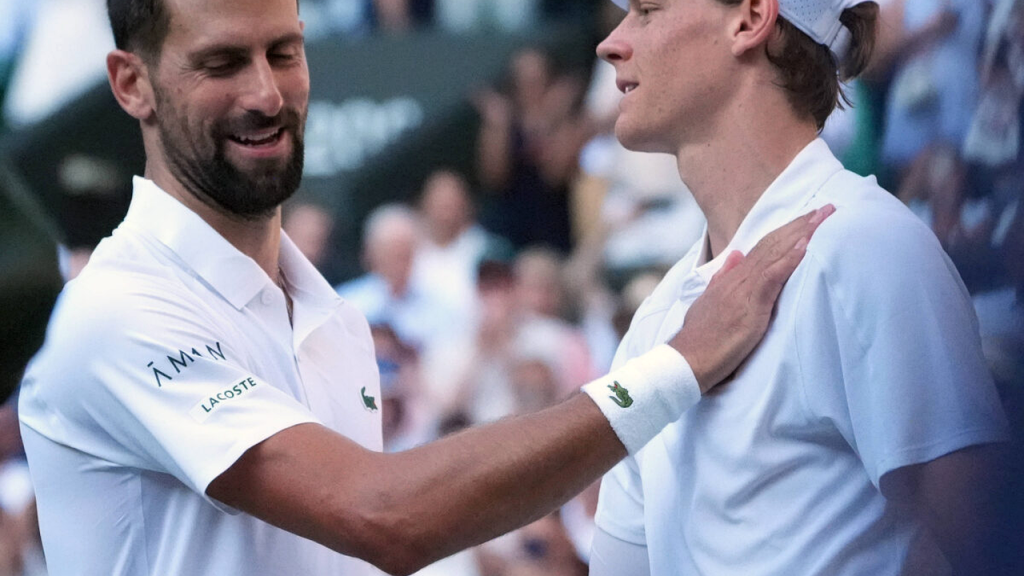
Sinner has power and speed, but Novak has the experience to win matches decided by small choices. If he avoids long runs of the same exchanges, he can pull the duel into the space that suits him better.
The first set will tell us a lot
The start of the match will show whether Novak can hold serve without great effort. If he wins a few short points in the opening games, Sinner will not be able to impose himself straight away.
If Sinner gets into every service game early, Novak will have to adjust his plan faster. So the first set is not just about the score. It shows who controls the rhythm more easily.
Return games demand patience
Novak does not have to attack every Sinner service game. He can use some of them to read the direction of the serve, check the second delivery and make Sinner play one more ball.
It is important that he stays close on the scoreboard. If Novak holds his own serve calmly, one good return game can change the set. That is why a simple return and good depth are often more valuable than early risk.
Short points must be chosen well
Short points only help when the right opening appears. A shortened ball that comes too early, or a rushed winner, can give Sinner easy control. Novak should shorten the rally with a good serve and a smart first shot.
When the court is open, he can move forward. When the ball is neutral, he should not lose his balance out of haste. That simple difference protects the plan in the toughest games.
The tiebreak demands calm decisions
If the set reaches a tiebreak, every point will matter even more. Novak must protect his first point on serve, force Sinner to hit under pressure and avoid a cheap error that gives away a mini-break.
Sinner has enough power for quick points, so Novak must change the picture. A serve to the body, a wide serve and a slower ball into the rally can stop one rhythm from taking over the whole tiebreak.
The best plan is for every point to have a clear first decision. When that first decision is good, Novak does not need to look for a difficult solution from a poor position.