
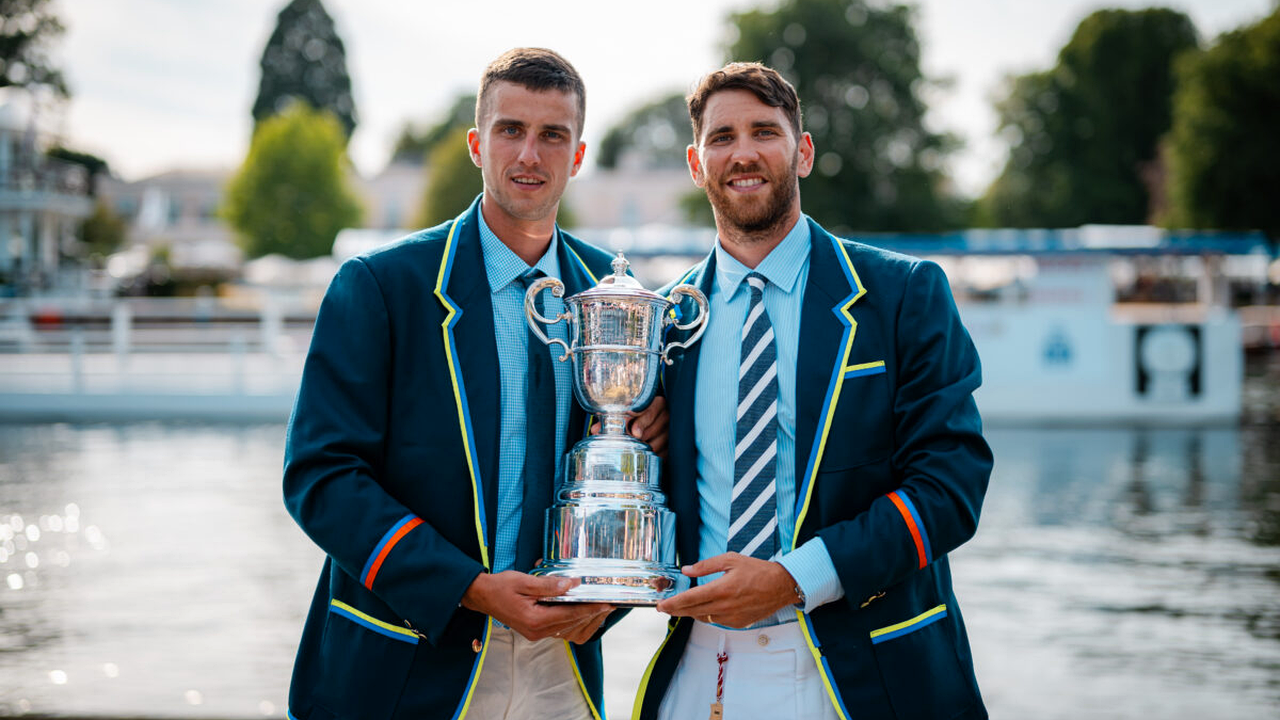
Martin Mačković and Nikolaj Pimenov brought Serbian rowing a major triumph at the Henley Royal Regatta. The win matters because it combines prestige, the right moment and a crew that learned to endure together.
Henley is no ordinary regatta
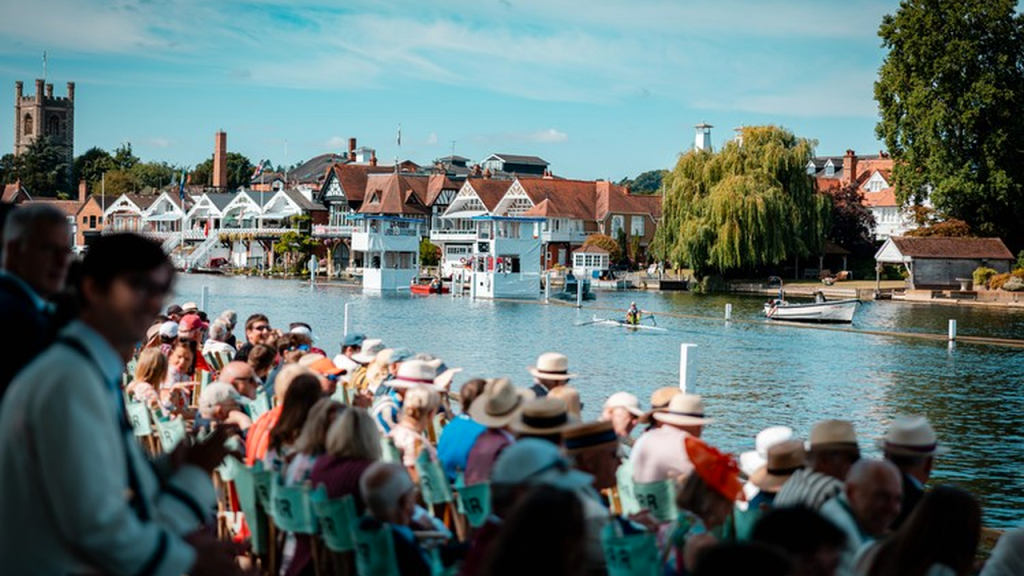
A trophy in the double sculls at Henley carries special weight, because the royal regatta has its own language, traditions and pressure. There you are not only racing rivals, but also a setting that raises the stakes at once.
For Serbia, this victory means more than that. It is not simply a line in the season’s report. It is a place in one of the best-known rowing stories, one that athletes and coaches recognise around the world.
Mačković and Pimenov trusted their rhythm
The double sculls forgives very little. Two rowers must turn their strength into a single motion. If the rhythm falls apart, the boat shows it at once. Mačković and Pimenov won because they kept that rhythm under pressure.
This kind of patience is easy to overlook from the outside. A crew does not win Henley on a strong start alone. It wins when it knows when to push, when to hold the boat, and when to show the rival that the race is slipping away from them.
| Point | Note |
|---|---|
| Achievement | Mačković and Pimenov won the trophy in the double sculls at Henley. |
| Significance | Serbian rowing claimed a victory at one of the most famous regattas. |
| Next step | The prestige should be turned into momentum for the coming international races. |
You may also read: Novak against Sinner: recovery comes first. More news: Nikola Jović gets extra motivation after Giannis arrives in Miami.
The role of Nikola Stojić matters
Coach Nikola Stojić has an important place in this story. A crew capable of carrying a prestigious regatta usually has clear preparation behind it. The rowers steer the race, but the programme shapes how they read pressure.
That matters especially for a Serbian crew building international weight. Good training turns talent into habits. At Henley those habits have to hold up when the setting feels bigger than an ordinary race on the water.
The win gives rowing a public moment
Rowing in Serbia rarely gets the attention that team sports do. A victory like this gives the sport a clear public moment. It shows that Serbian athletes can enter one of the most traditional arenas and leave with a trophy.
That visibility can help younger athletes. They need examples that feel close enough to follow. Mačković and Pimenov have given them a result that is both prestigious and Serbian.
Now the momentum must be used
The Henley win is a peak, but it should not be the final point. The crew now needs to carry its confidence into the rest of the international calendar. Prestige is worth something if it feeds the next training block.
The danger after a big win is comfort. The best crews enjoy the trophy, then return to the same unglamorous work that earned it. That is where this result can become more than one good week.
A real crew made the history
The strongest part of the success is that it looks earned rather than accidental. Mačković and Pimenov are not a surprise without foundations. They are a serious Serbian double with enough experience to know why Henley matters.
So this triumph deserves careful remembering. It is a historic moment for Serbian rowing, and also a practical sporting lesson: rhythm, trust and patience can turn a demanding regatta into a national symbol.
Why the result should reach beyond rowing
Serbian sport often celebrates medals in louder arenas, but this Henley victory deserves wider attention. It shows a different kind of quality: long preparation, precise rhythm and patience in a sport that exposes every mistake at once.
That message can help smaller Olympic sports. Young athletes need proof that work away from the spotlight can lead to a famous stage. Mačković and Pimenov have provided a fresh example.
Federations and clubs should use the moment carefully. A historic win is an opportunity to talk about conditions, the coaching pathway and how to keep talented rowers in the sport long enough to grow.
The crew also gains a stronger international identity. Rivals will now read them with more respect, and that changes future races. Prestige can become pressure, but it can also become authority.
Henley has given Serbian rowing a proud line. The challenge is to make it useful, so the next crew sees it not as a memory but as a route.
Now the balance must be kept
After a big win the easiest path is overreaction. Henley is a huge sign for Serbian rowing, but the crew must stay in the same rhythm that brought it the trophy. The next training session is quieter than a final, yet it matters just as much.
Mačković and Pimenov showed they can wait for the right moment in a race. Now the same patience is needed off the water. A sensible calendar, smart recovery and a clear goal for the next regattas can stop this historic result from standing alone.
The victory should mark the start of a conversation about the system, not just a fine clip for the archive. If it is used to support younger crews and better conditions, Henley can give value that lasts longer than a week of celebration.