
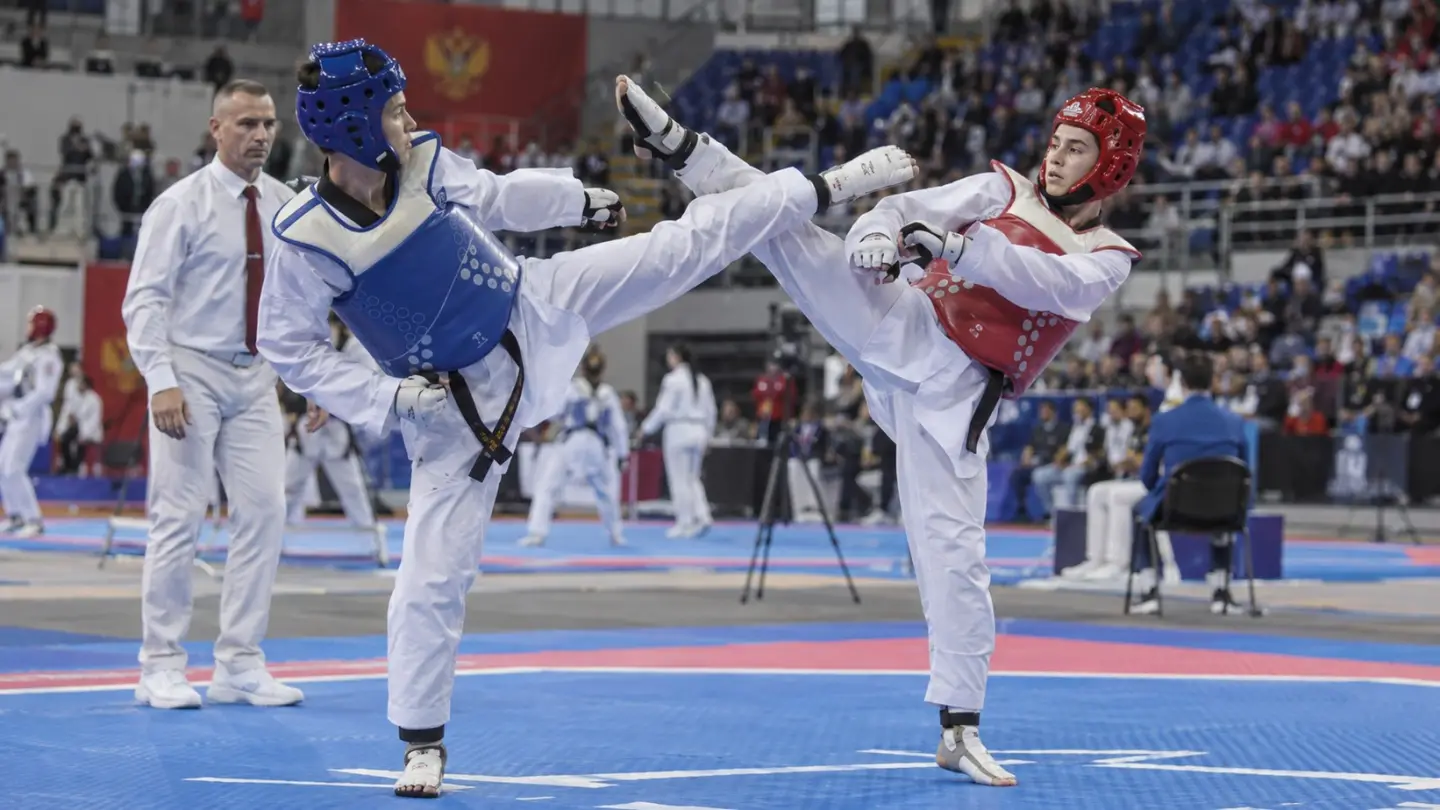
The Montenegro Podgorica Open takes place on 10 and 11 October in the sports hall of the Voco hotel. A total of 692 competitors have entered the G1 tournament, and the programme covers cadet, junior and senior categories. The essential point comes first: what happened, when, and why it matters. Beyond that, the practical consequence can be assessed, but with a clear line drawn between the data available and what is assumed. That approach keeps the story accurate and allows it to be updated later without changing its core meaning. For that reason, the next official update should confirm the consequence that is now flagged as the key one.
On the first day cadets and juniors step onto the mats, while all senior weight categories are scheduled for 11 October. Closed entries let the organiser fix the draw, the weigh-ins and the rhythm of the bouts in advance. The difference shows most clearly in the process: who sets the terms, who has to give ground first, and how quickly a correction arrives. Two similar results can come from very different quality of performance. The analysis therefore looks for a cause that can be reproduced, rather than an explanation based only on the final move. Read this way, the event gives readers a basis for understanding both the result and the decisions that preceded it.
A two-day schedule separates the development and senior programmes
A competitor has to win the centre without picking up unnecessary penalties, prepare the kick by changing distance, and immediately recover the guard. The electronic vest rewards accurate contact, so raw power without the right angle and foot surface is not enough. Tactical value comes from sequence, not from the number of ideas. The athlete must first secure position and control, then attack the space that has actually opened up. The coaching staff sets the signal for a change in advance, so that one mistake does not set off a chain of improvisation and pull the team or the athlete away from their main advantage. Execution is then judged on the clarity of the decision, the reaction time and the quality of position after the attempt.
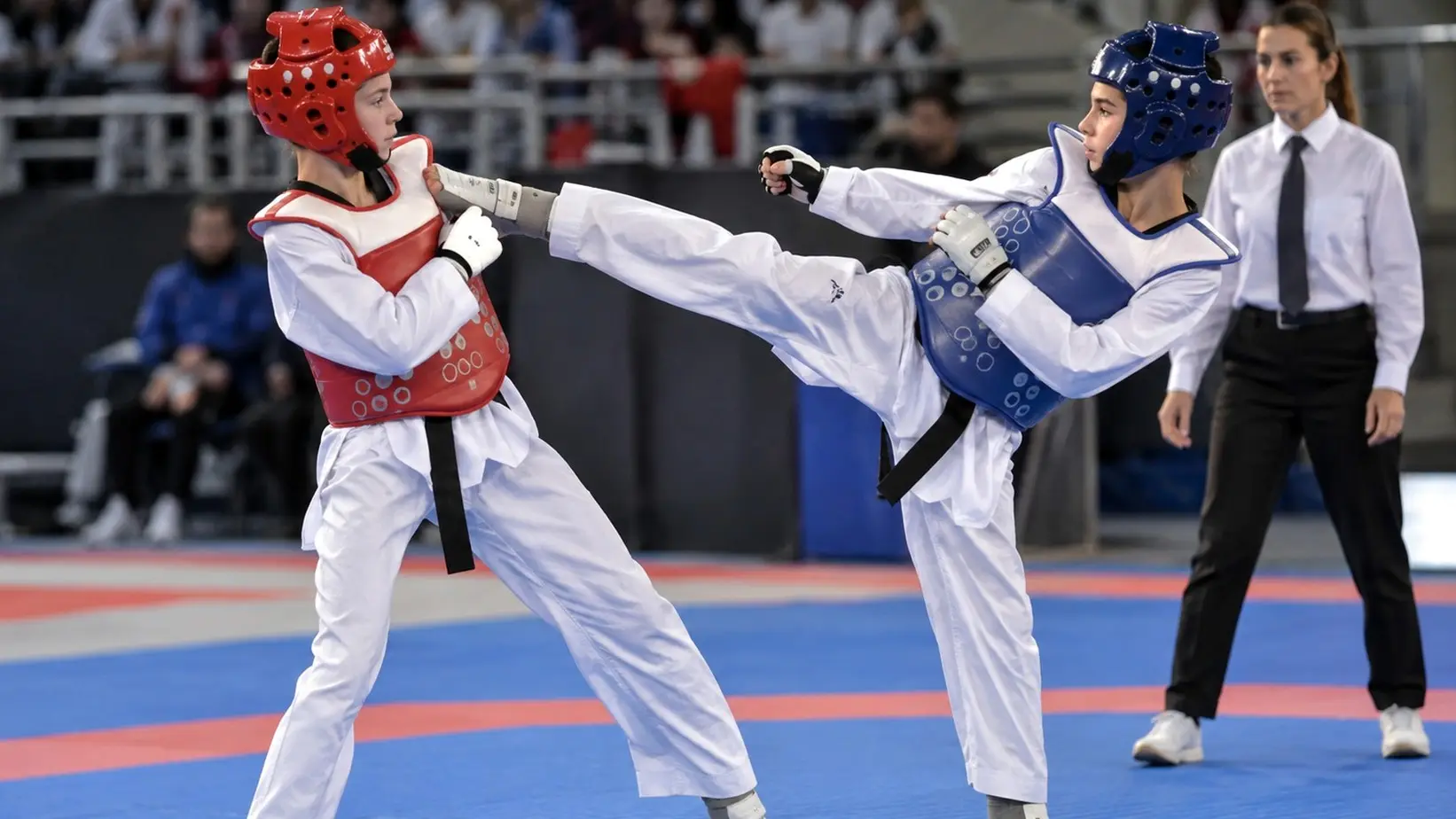
A large field can lengthen the wait between bouts and disrupt warm-ups. Aggressive weight cutting reduces reaction speed further, especially when an athlete has to repeat several bouts within short intervals on the same day. Risk management determines how long a plan can hold. A neutral outcome sometimes preserves position, energy or possession for a better opportunity, while forcing the pace without preparation opens the door to a counter. The balance between gain and danger shifts with time and the score, so the same decision is not equally sound at the start and in the closing stages. The true measure of discipline will be how often a danger is recognised before it turns into damage.
G1 points raise the price of tactical discipline
It is worth tracking the ratio of points to penalties, performance in the final thirty seconds, the first actions after a break, and how quickly the athlete returns to guard. For coaches, the ability to apply a correction already in the next round also matters. These figures make it possible to test conclusions after the event. The final score shows the outcome, but only a comparison by period reveals where the advantage was built and whether it can be repeated. It is especially useful to separate the opening plan from decisions made under fatigue, because that is where technical stability and quality of preparation become visible. If the values are read in sequence, it will be clear whether a change was planned, temporary or accidental.
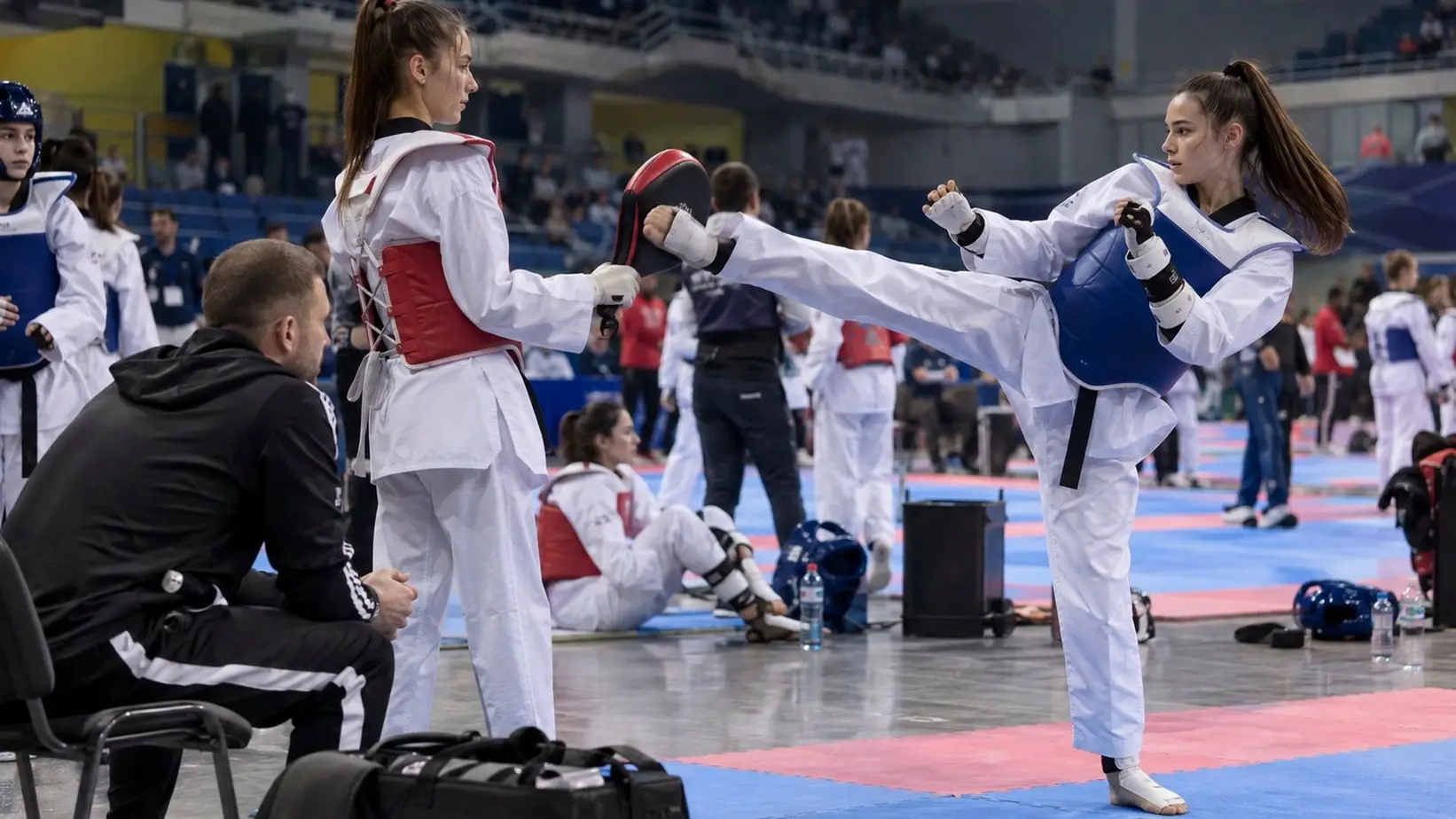
The regional G1 tournament gives athletes the chance to earn ranking points without a long journey. The 692 entries also put organisation to the test and give younger competitors a broad range of styles to measure themselves against. The significance does not end with the last point or decision. A good performance opens a new opportunity, but consistency is what confirms that a change can last. A weaker result can still be useful if it produces two or three precise tasks. A broad overhaul of everything tends to hide the real cause and makes the next check harder. That follow-up gives the current report lasting value and links the immediate outcome to the next realistic goal.
The Podgorica Open will have developmental value if the high number of participants is matched by an accurate schedule and consistent judging. The medal matters, but the quality of decisions across several bouts gives a more useful signal for the next cycle. The conclusion must therefore remain tied to the evidence currently available. The best next test will use the same checkpoints under different conditions, so that it becomes clear what belongs to quality and what to circumstance. Repeating a good pattern against a new challenge carries more weight in an assessment than a single striking action. That is why the final verdict should only be expanded once a new comparable data point emerges from the official event.