
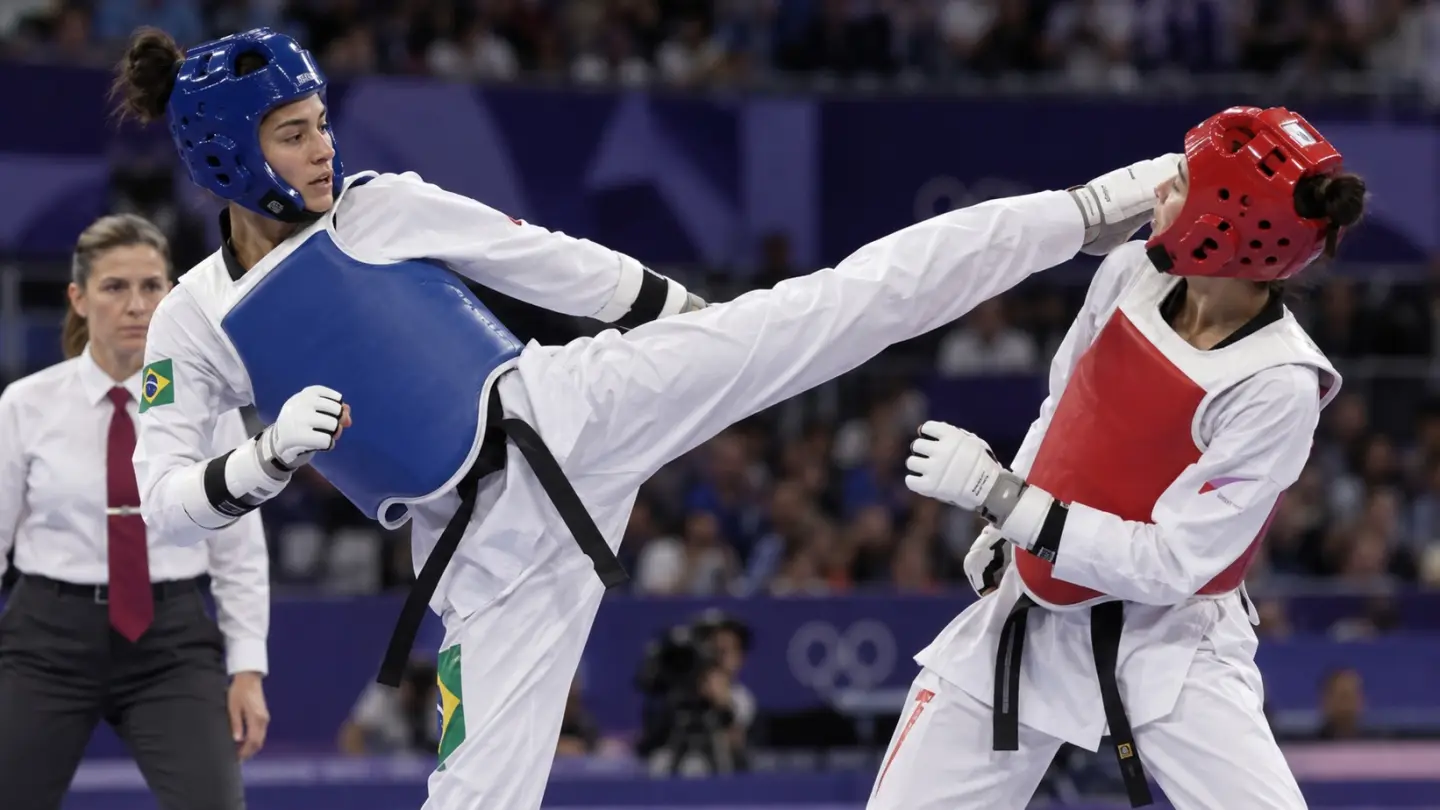
Marija Klara Pašeko took gold at the Paris Grand Prix in the 57 kg category, winning all four of her bouts without losing a round. The real significance lies less in the result than in how it was earned and in what it changes for the rest of the competition. The confirmed facts give a solid basis for judgement, while the true range of her form will only become clear against her next opponent or under different conditions. For that reason, the link between what has been proven and the challenge ahead matters more than any single standout moment.
The world number one avenged her defeat in the final against Fadiji Kirfan, the only rival to have beaten her in the current Olympic cycle. The difference is clearest in the process: who sets the terms, who has to give ground first, and how quickly a correction arrives. Two similar scorelines can come from play of very different quality. The analysis therefore has to look for a cause that can be reproduced, rather than an explanation built on the final exchange alone. The sequence of key phases shows where the gap opened and how long control genuinely lasted.
Pašeko did not lose a single round in four bouts
The Brazilian controlled the middle distance, scored first and stopped her opponents from disrupting the rhythm of the round with bursts of strikes. The tactical value comes from order, not from the number of ideas. A competitor must first secure position and control, then attack the space that has actually opened. The coaching staff sets the signal for a change in advance, so that one mistake does not trigger a chain of improvisation and pull the athlete away from the core advantage. The quality of a plan shows in how fast decisions are made, how clear the roles are, and where the athlete stands after a failed attempt.

A perfect record adds pressure and can push a competitor into over-control, so she must keep the aggressive decision that gave her the edge. Risk management determines how long a plan can last. A neutral outcome sometimes preserves position, energy or possession for a better chance, while forcing the issue without preparation opens the door to a counter. The balance between gain and danger shifts with time and the scoreboard, so the same decision is not equally good at the start and at the close. Discipline is measured by how often danger is recognised before it turns into a costly error.
Consistency raises the standard in the 57 kg category
Pašeko now has 54 wins in 55 bouts in the cycle, six titles in the season, and conceded no round in Paris. These figures make it possible to test the conclusion drawn after the event. The final score shows the outcome, but only a comparison by period reveals where the advantage was built and whether it can be repeated. It is especially useful to separate the opening plan from decisions made under fatigue, because that is where the stability of technique and the quality of preparation become visible. Taken together, these measures separate a sustainable advantage from a short run or a chance deviation.
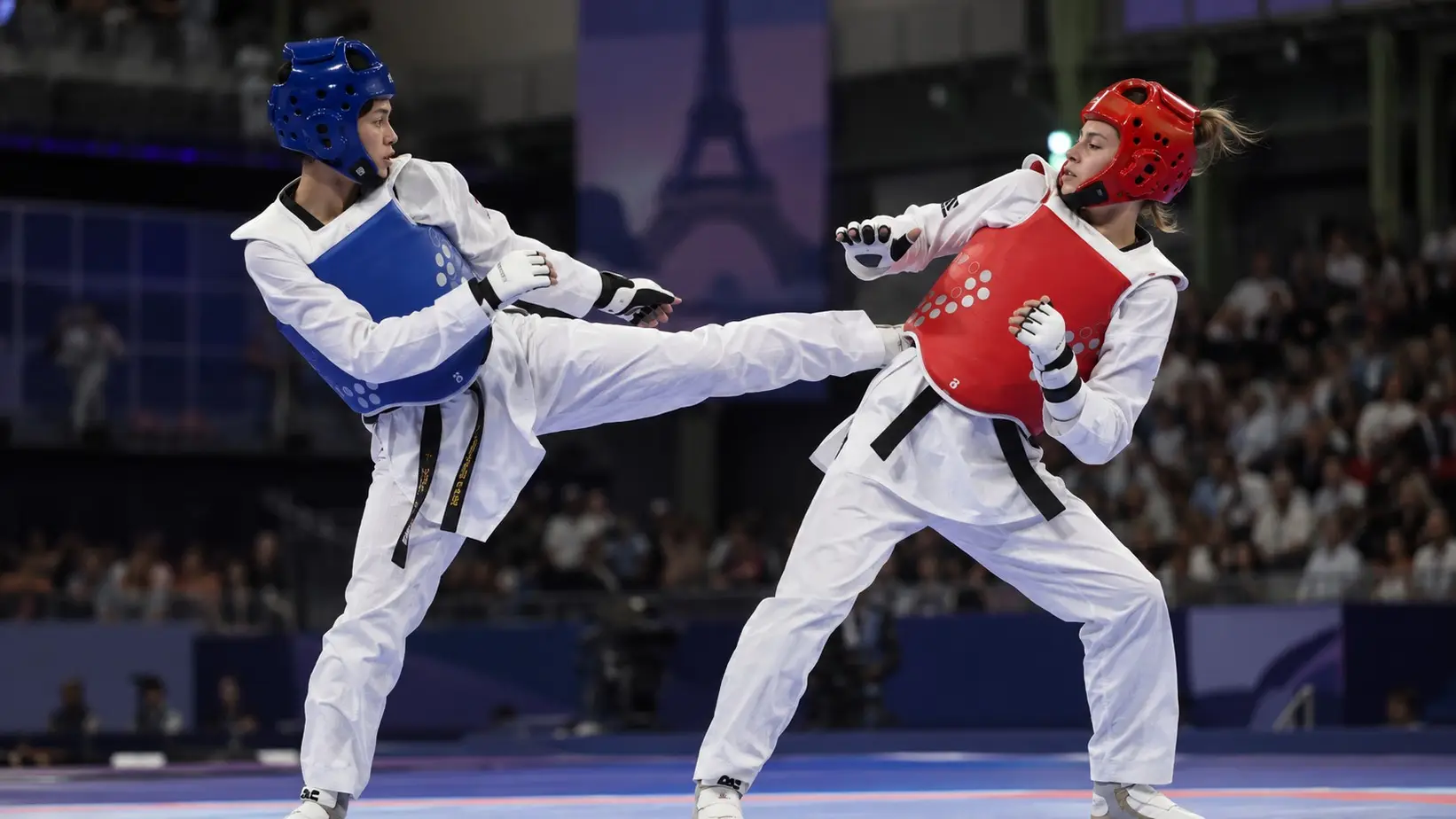
The gold cements her place at the top of the ranking and brings extra points ahead of the final Grand Prix of the season. The significance does not end with the last point or the last decision. A good performance opens a new opportunity, but consistency is what confirms that the change will hold. A weaker result can still be useful if it yields two or three precise tasks. A sweeping overhaul of everything usually hides the real cause and makes the next check harder. The next appearance therefore becomes a concrete test of continuity, not just another entry in the schedule.
The dominance is measurable both in the result and in the manner of the wins; the next challenge is to hold the same standard when rivals change their plans. The conclusion must therefore stay tied to the evidence currently available. The best next check uses the same reference points under different conditions, so it can be seen what belongs to her quality and what belongs to the circumstances. Repeating a good pattern against a new demand gives the assessment more weight than one striking action. The final judgement remains tied to the same set of indicators and the next comparable official result.