
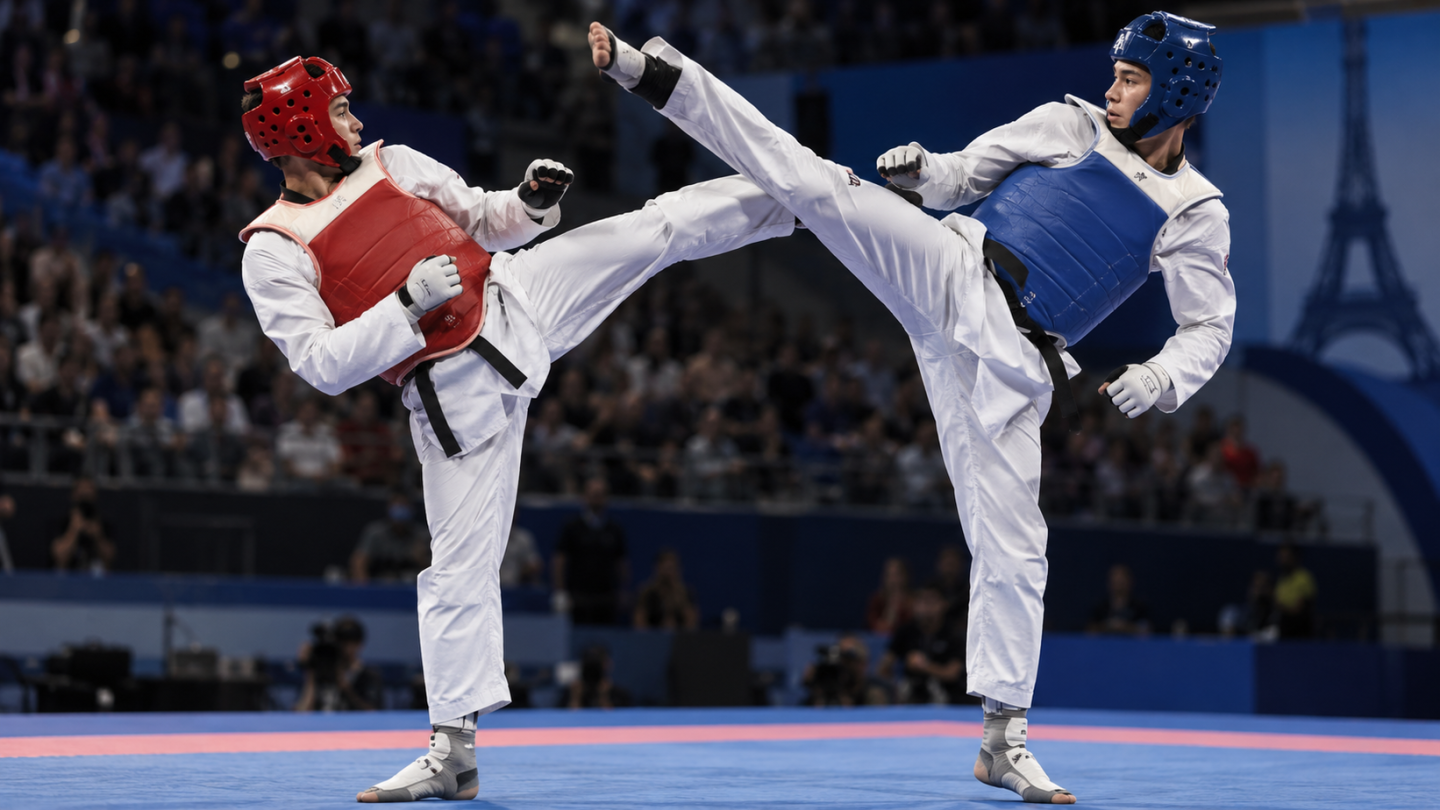
Paris will host the World Taekwondo and Para Taekwondo Grand Prix from 8 to 11 October. The event takes place at the Marcel Cerdan sports hall in Levallois-Perret and forms the third and last leg of the series before the November finals in Astana.
The Para Taekwondo programme opens on 8 October with 113 athletes from 30 countries competing across ten weight categories. Combat in the eight Olympic categories follows from 9 to 11 October. The field brings together the top names on the Olympic rankings, athletes who performed well at earlier Grand Prix events and a limited number of host nation representatives.
Paris returns to the calendar for the first time since 2023. Earlier stops of the 2026 series were held in Rome and Muju, so the results from France will offer a final major picture of form before the finals. Points also carry weight in the longer qualification process for Los Angeles 2028.
Para Taekwondo opens four days of top-level action
In para taekwondo, a small difference in distance often decides a bout, because athletes develop individual solutions suited to their classification. The system must guarantee fair pools and consistent judging of contact through electronic body protectors. For that reason, technical checks before the first day matter as much as the draw.
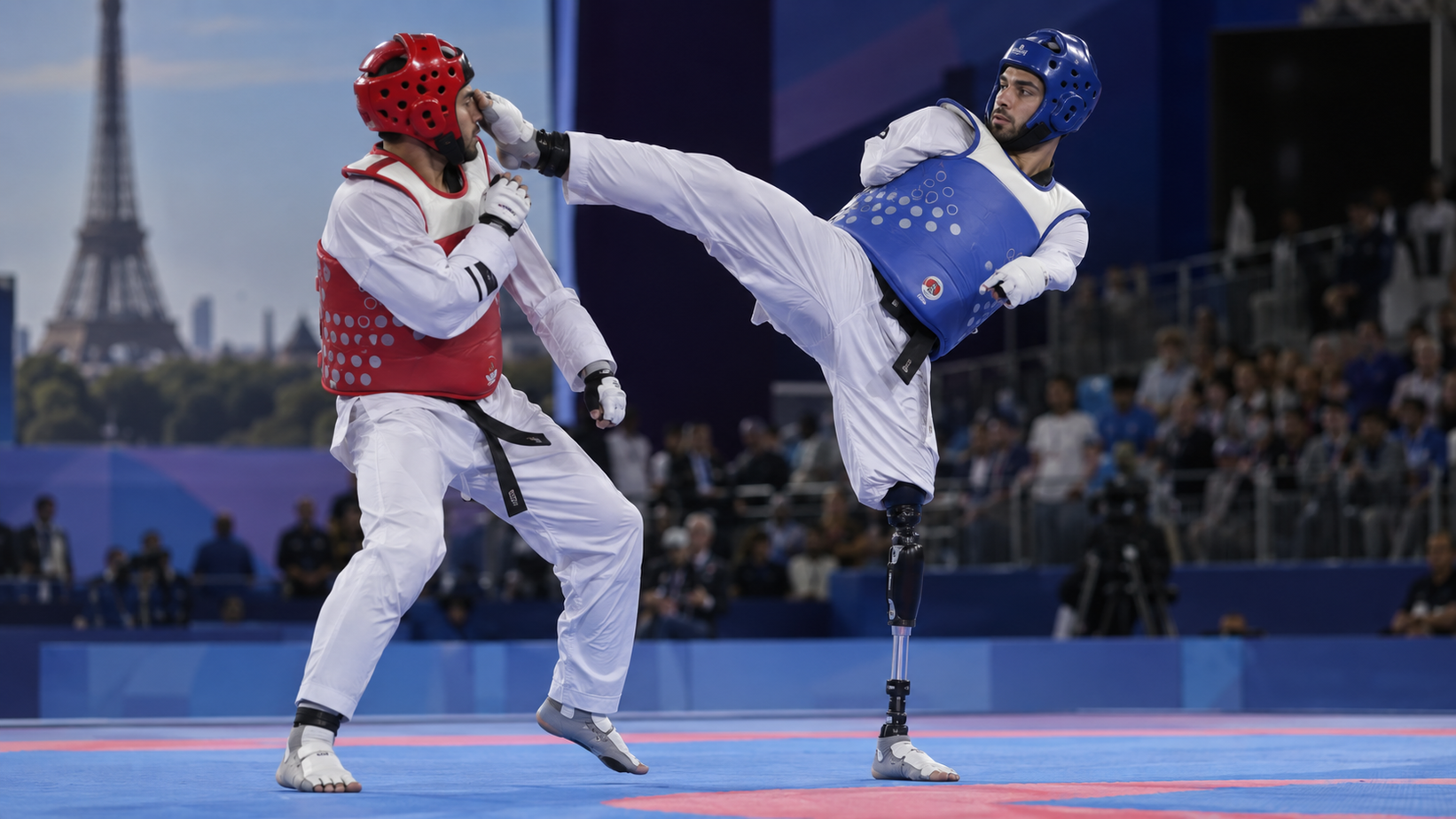
Among the standout names is Ayoub Adouchi from Morocco, the world’s best para taekwondo athlete for 2025 in the K44 up to 63 kilograms class. Japan’s Shunsuke Kudo arrives after gold in Rome and bronze in Muju in the up to 70 kilograms category, which gives him continuity across the whole series.
The Olympic categories set a different rhythm because of the depth of the draws and quick changes of opponent. Fighters must adjust their guard, distance and choice of kick between rounds, with little time to prepare anew. A coach’s short briefing therefore has to single out one or two key corrections.
The final stop tests form ahead of Astana
Points earned in Paris will shape positions heading into Astana and the wider Olympic cycle. A high finish brings a more favourable status, but no athlete should chase points at the expense of their health. Scheduling after long journeys demands careful monitoring of recovery and weight control.
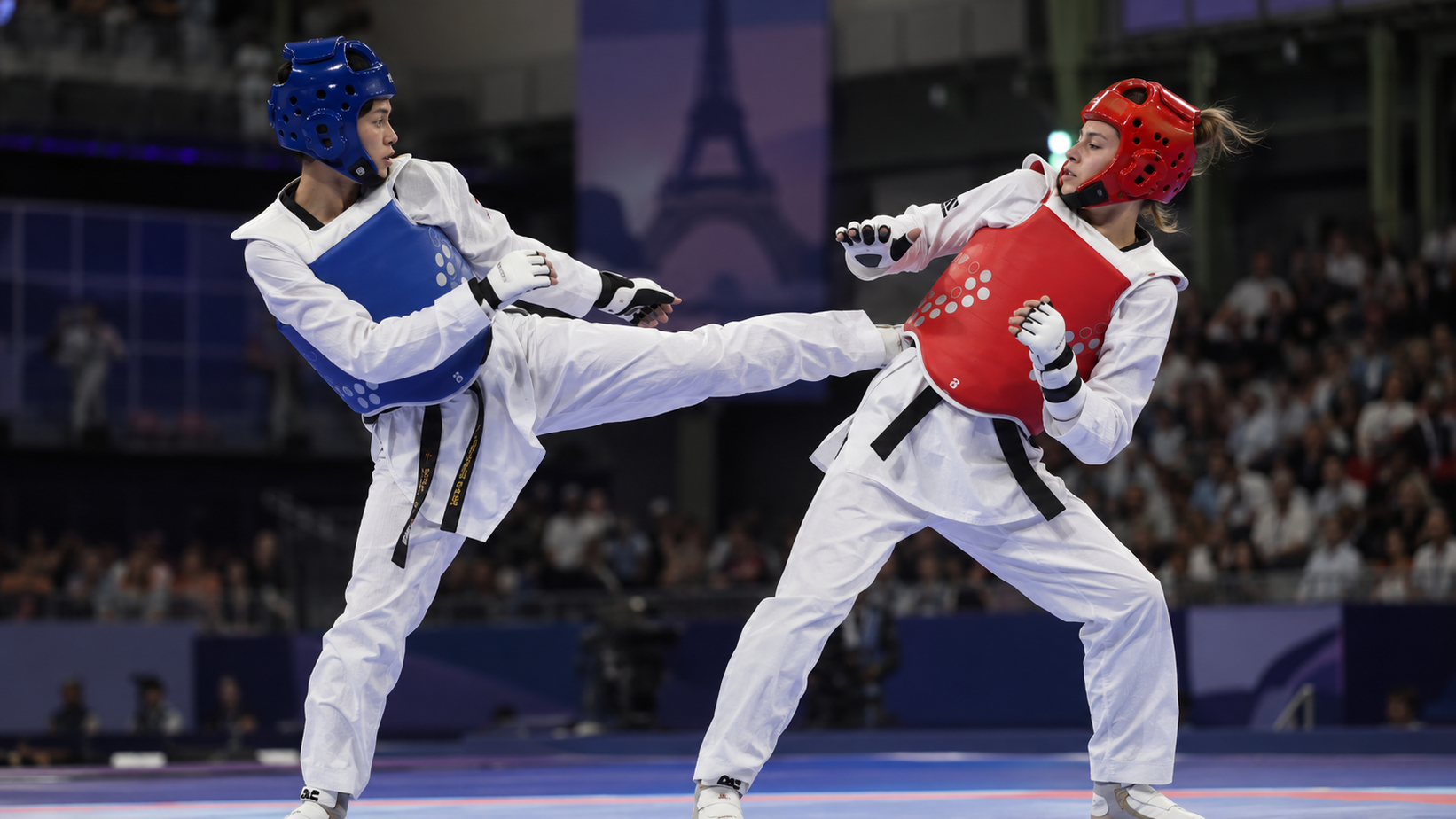
The French team gains crowd support and additional quota places, but also greater pressure. Their fighters need to draw on the energy of the hall without slipping into an uncontrolled exchange. The best approach is a high tempo of leg attacks combined with patience, letting the opponent open the target first.
Paris will therefore be more than an ordinary warm-up for the finals. Four days link the para and Olympic programmes, show the breadth of the sport and give a direct comparison of the strongest systems. Whoever finishes the tournament with a consistent result and a healthy squad will arrive in Astana with a valuable psychological edge.
Final preparations should focus on reaction speed rather than a large increase in training load. Athletes need to reach Paris fresh and with secure control of their weight. The last few sessions serve to rehearse distance, escaping the clinch and working when the score is level. Those who keep the same routine in the hall as in training will more easily turn rank and experience into a real advantage on the mat. The next appearance or official result will show how long this conclusion holds under new pressure. The figures should be read together with the quality of the opposition, the conditions and the decisions taken at key moments. It is important to separate the current result from the long-term trend: one success confirms good preparation, but only repetition shows stability. The coaching staff should therefore track a few clear indicators, compare them with the previous outing and change only what has been proven to be a weak point. That approach protects confidence and still leaves room for progress. The reaction of direct rivals will also matter, since preparation shifts as soon as an opponent recognises a successful pattern. For this reason, the analysis should also cover situations where the original plan did not work. The best performance comes when a team or athlete keeps the core strength intact and makes one small, timely adjustment during the event.