
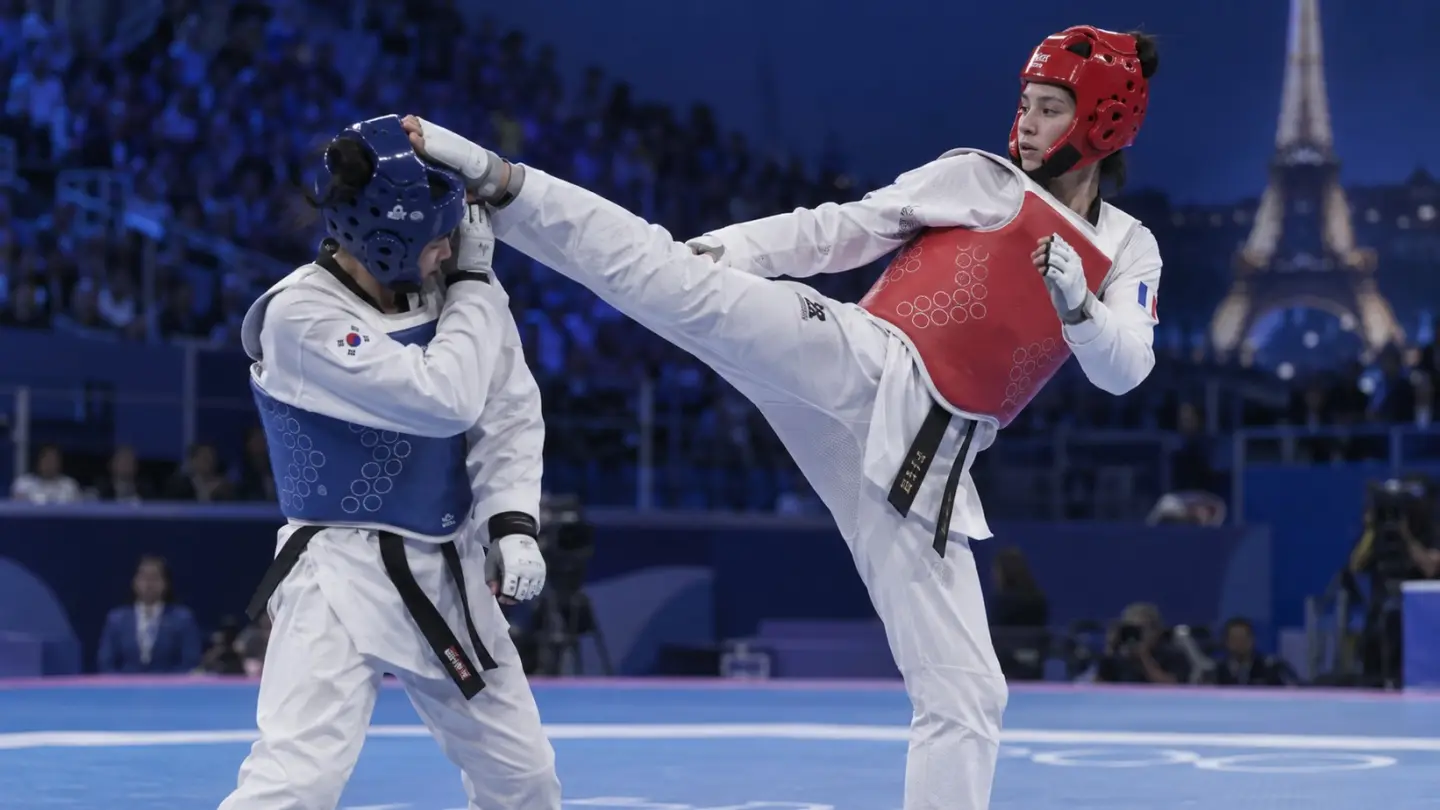
Paris will host the latest stop of the World Taekwondo Grand Prix series from 8 to 11 October, with 253 registered competitors. The para taekwondo programme opens on 8 October, while bouts across eight Olympic weight categories take place from 9 to 11 October. This is the third and final stop before the closing Grand Prix in Astana.
The published timetable gives teams a precise framework for weigh-ins, recovery and warm-ups. Athletes fighting on the last day cannot raise their intensity too early, while those competing on the first day have less time to adjust to the venue. Coaches are therefore splitting preparation into short technical sessions and keeping workloads controlled, so that fatigue does not slow their reactions.
Eight Olympic categories bring together the highest-ranked fighters, in a format where a single point from the electronic body protector can change an entire contest. Accuracy matters more than how a kick looks. Competitors must strike with the right surface and enough force, then return to guard immediately so they do not take a counter while trying to confirm their own attack.
Para competition opens a four-day programme
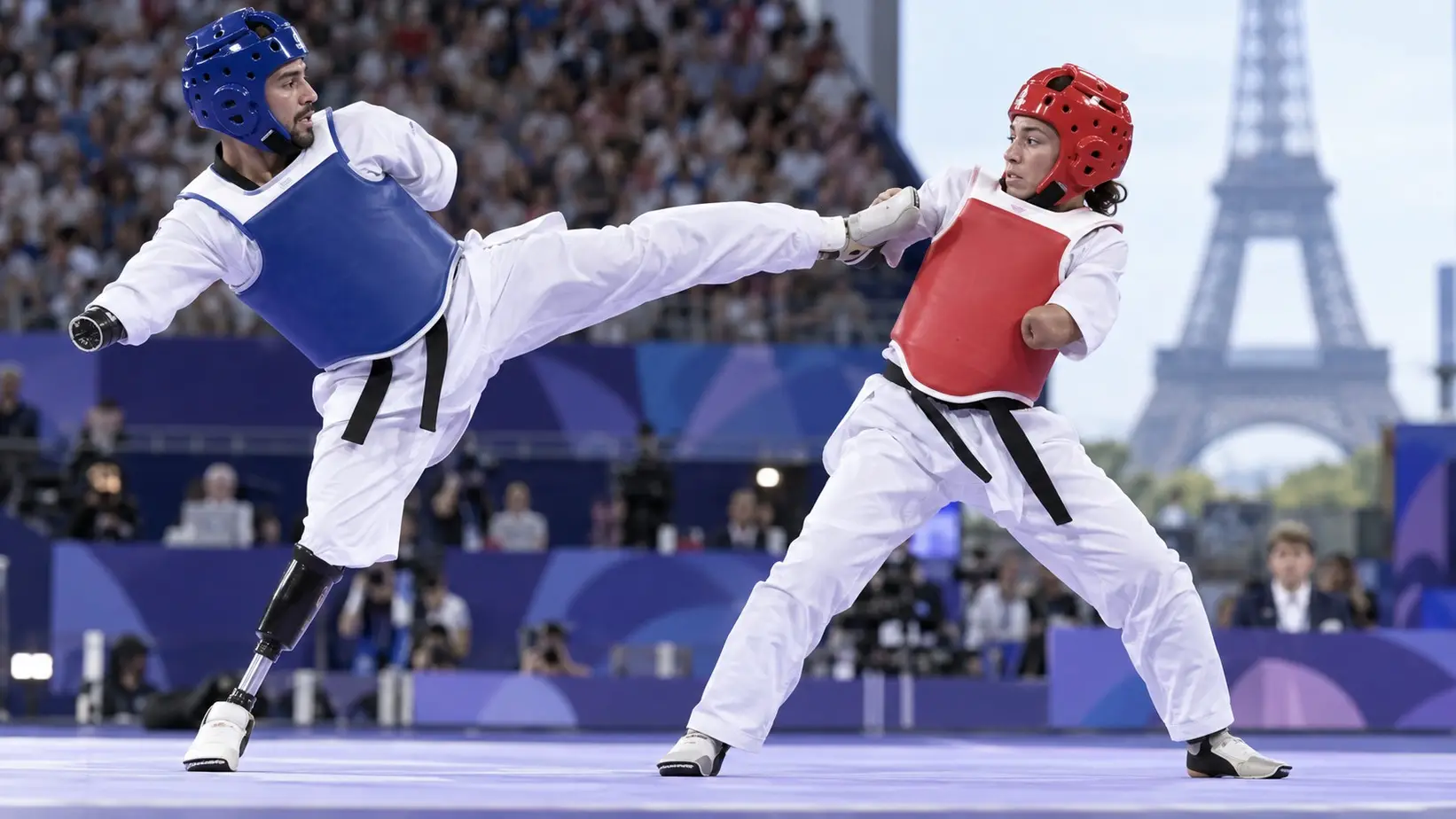
The para programme on the first day gives the event its full international breadth and places classification and adapted tactics at the centre. Distance and timing remain key, but coaches must match the plan to each fighter’s functional profile. A well-prepared opening attack can determine how an opponent guards their lead leg for the rest of the bout.
Because Paris is the last regular stop before Astana, points carry extra weight for qualification positions and seeding. A fighter who improves their ranking may draw an easier path in the next draw. Still, overthinking the table carries risk; each round requires full attention to the specific opponent, the scoreline and the time left.
Over the three-day Olympic programme, teams must adapt to different styles across weight categories. Lighter fighters tend to rely on many fast attacks and changes of stance, while heavier categories can be decided by single explosive techniques. A shared requirement is control of penalties, because an unnecessary step out of the area or a fall can easily hand the rival a point.
Eight Olympic categories share points before the closing Grand Prix
For Serbian competitors and fans, the route of European fighters towards the finals will be especially important. Paris’s proximity eases logistics but does not lower the quality of the field. Draw analysis should cover the opponent’s dominant leg, their habits after a break and how they react when they first concede a point, since that is often when an opening for a new attack appears.
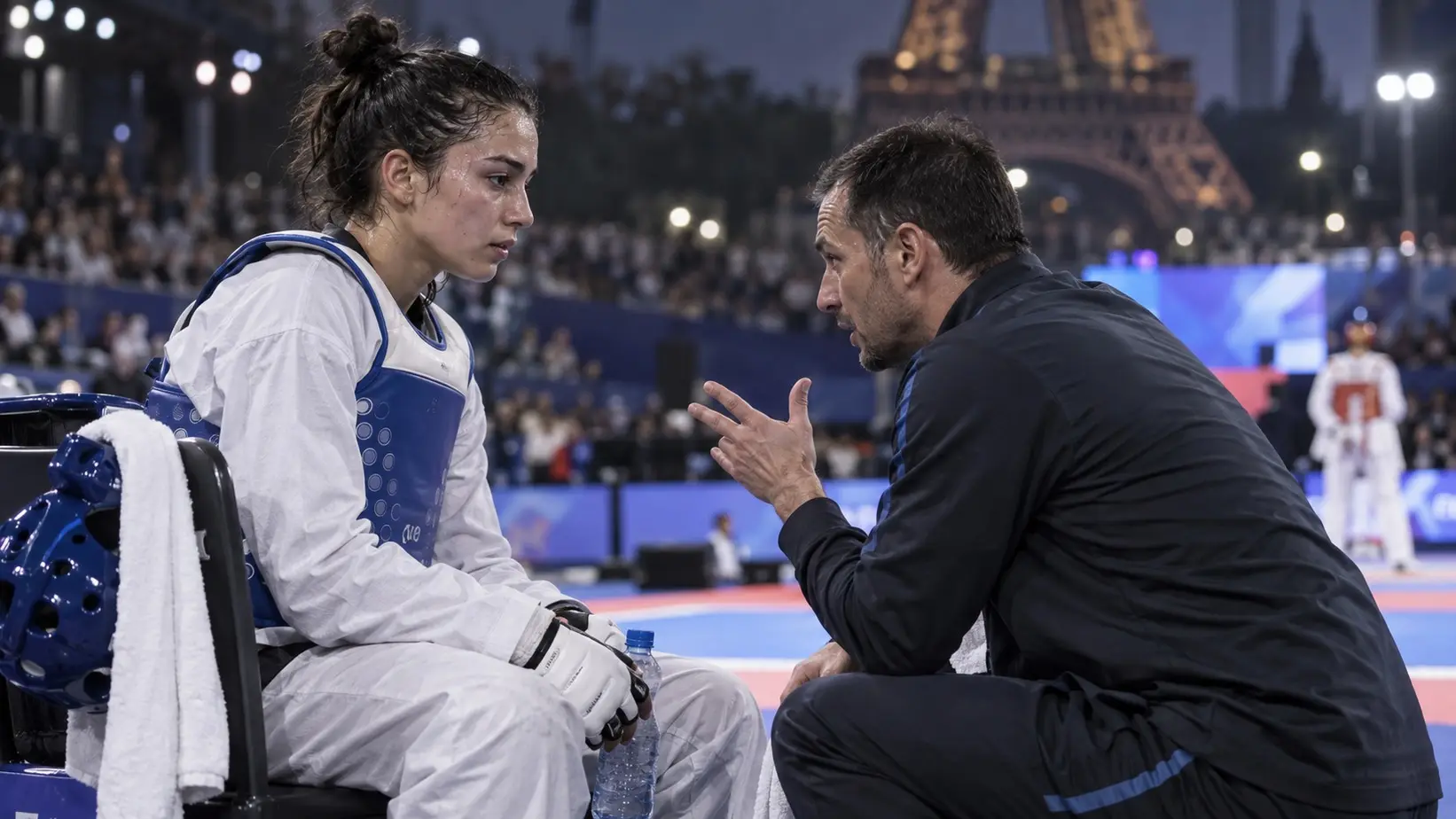
Coaching staff will have little time between bouts for major corrections. The most useful message has to be brief: which distance scores, where the rival responds and how to protect a lead. Too many instructions slow decisions on the mat. Footage from the previous round should be reduced to two or three habits that can be targeted immediately.
Paris gets a strong field and a clear four-day schedule, and 253 entries promise a large number of bouts in different styles. Results will show who best combined form with weight management and the pressure of points. For favourites the aim is to confirm their status, while younger fighters get a chance to change their position with a single win before the series finale in Astana.
For a full assessment, it is worth following the number of penalties, the success rate of front-leg kicks and the points scored in the last thirty seconds of each round. That data will show whether the result came from a pattern that can be repeated or from a few exceptional moments. The final score describes the outcome, but it does not reveal how stable the plan was when the balance shifted and the opponent tried a different solution.
The immediate professional task is for teams to turn the final timetable into a precise plan for weigh-ins, recovery and warm-ups. Success will depend on preserving the strongest elements of the current performance and fixing any weakness that has been identified without changing too much. That approach creates a clear link between this result and the next challenge, rather than treating each outing as a separate story with no measurable follow-up.